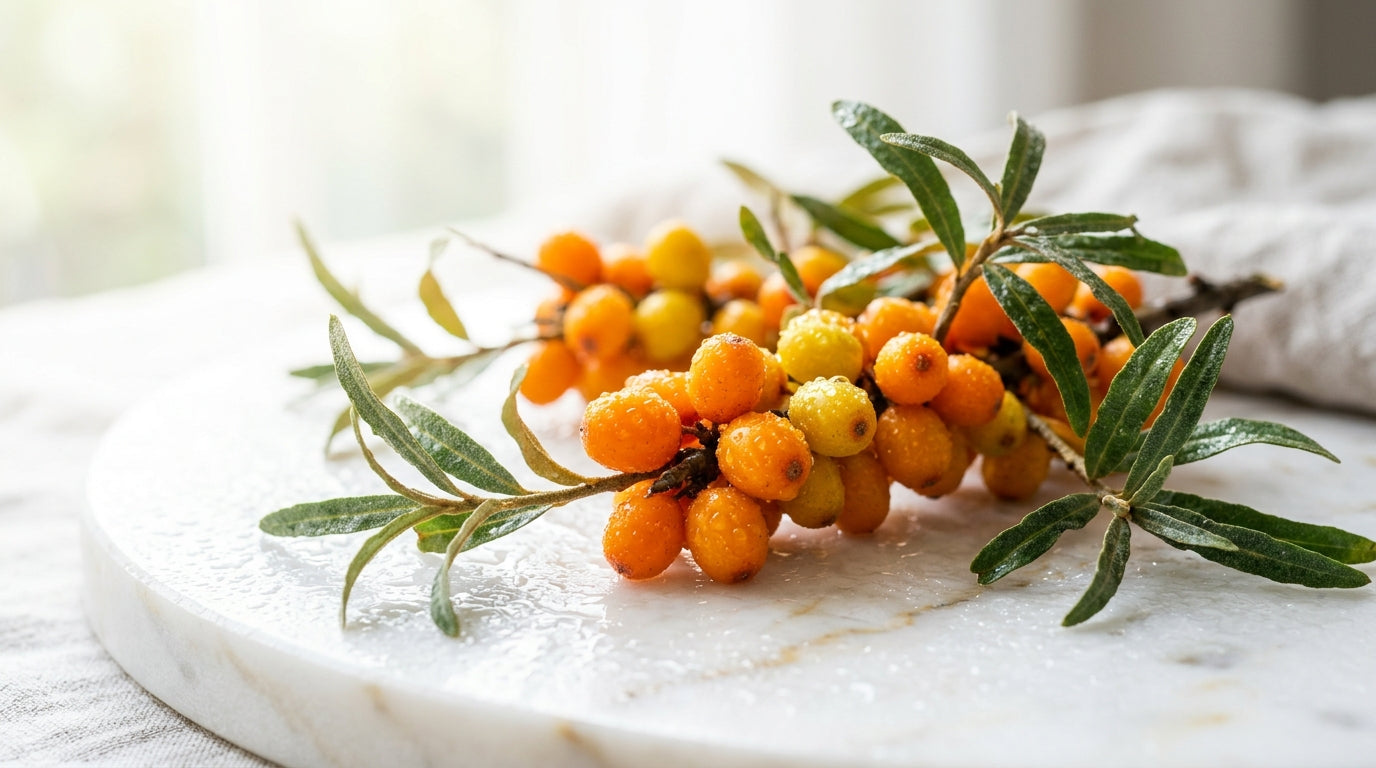
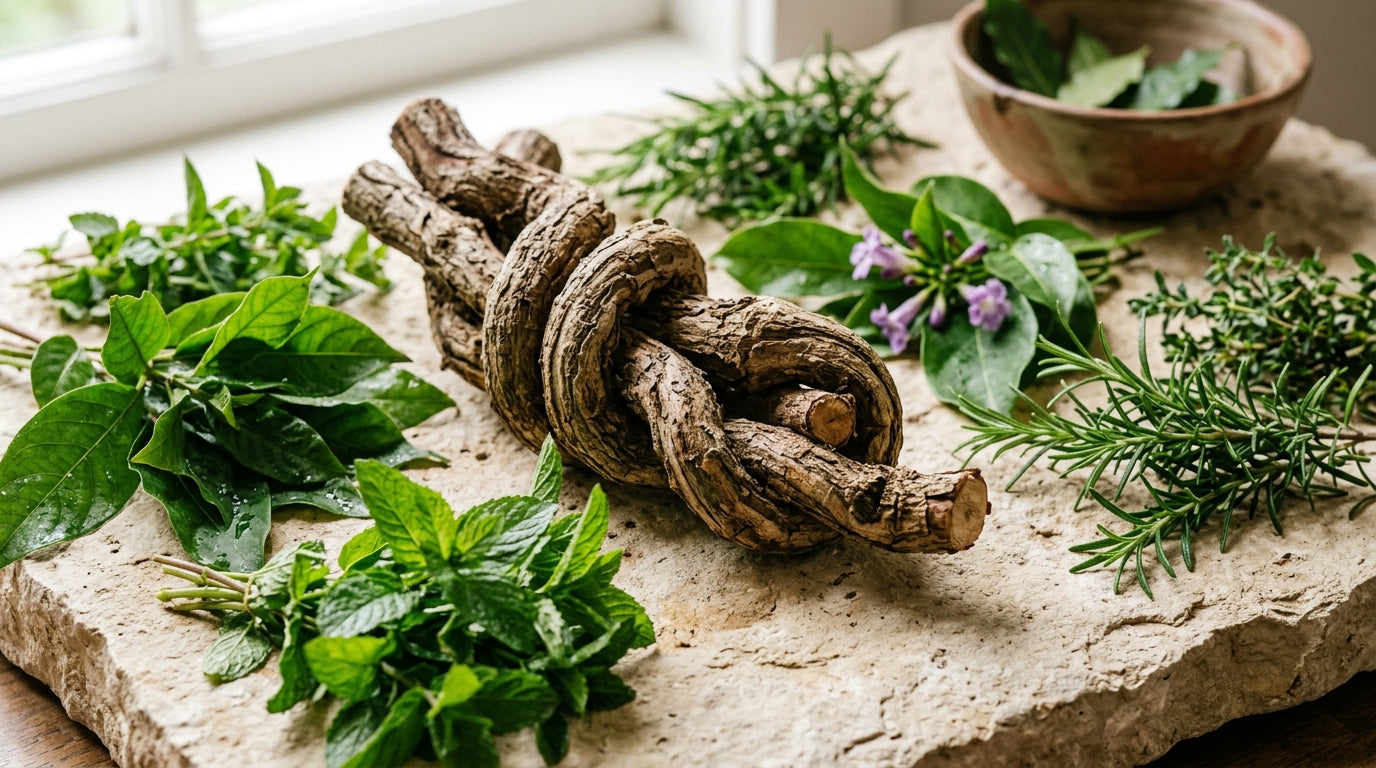
Australian Sandalwood Fruit (Santalum spicatum) contains ximenynic acid and polyphenolic compounds that reduce inflammation through cytokine modulation and antioxidant pathways. The fruit's monounsaturated fatty acids and phytosterols support cardiovascular health by regulating cholesterol metabolism and improving vascular function.

Origin
Australian Sandalwood Fruit (Santalum spicatum) is native to the semi-arid regions of Western and South Australia. This unique fruit is recognized for its rich nutritional profile, particularly its high content of ximenynic acid and beneficial fatty acids, offering significant potential for cardiovascular, metabolic, and skin health.
Potential benefits
- Reduces inflammation and oxidative stress through ximenynic acid and polyphenols, promoting cellular repair.
- Supports cardiovascular and circulatory health via monounsaturated fats and phytosterols, aiding cholesterol regulation.
- Enhances skin hydration and elasticity with fatty acids and tocopherols, mitigating signs of aging.
- Improves glucose metabolism and blood sugar regulation through insulin-sensitizing properties.
- Modulates immune function and supports respiratory health with antimicrobial and anti-inflammatory bioactives.
How it works
Ximenynic acid and polyphenolic compounds in Australian Sandalwood Fruit modulate inflammatory cytokines and reduce oxidative stress through free radical scavenging mechanisms. The fruit's monounsaturated fatty acids influence cholesterol metabolism via HMG-CoA reductase pathways, while phytosterols compete with dietary cholesterol for intestinal absorption. Tocopherols and fatty acids enhance skin barrier function by supporting ceramide synthesis and cellular membrane integrity.
What the research says
Current evidence for Australian Sandalwood Fruit consists primarily of in vitro studies and animal models demonstrating anti-inflammatory and metabolic effects. Animal studies have shown improvements in glucose metabolism and cardiovascular markers, particularly related to ximenynic acid activity. No human clinical trials specifically examining the fruit's therapeutic effects have been identified in current literature. The evidence base remains preliminary and requires controlled human studies to establish clinical efficacy and optimal dosing protocols.
Safety and interactions
Comprehensive safety data for Australian Sandalwood Fruit consumption is currently limited, with no documented drug interactions or contraindications established in clinical literature. As with other botanical preparations containing fatty acids and bioactive compounds, potential interactions with anticoagulant medications should be considered due to possible effects on bleeding time. Pregnant and breastfeeding women should exercise caution due to insufficient safety data in these populations. Individuals with tree nut allergies should consult healthcare providers before use, though cross-reactivity has not been specifically documented.
Suggested use
- Traditional: Consumed by Indigenous Australian communities for sustained energy, inflammation, skin healing, and respiratory conditions; fruit oil applied topically.
- Modern: Available as cold-pressed oil, powdered extracts, and seeds.
- Dosage: Recommended 500–1,500 mg extract daily or 3–5 drops of oil topically.
Frequently asked questions
What is the difference between Australian Sandalwood Fruit and sandalwood oil?
Australian Sandalwood Fruit refers to the seed/fruit of Santalum spicatum containing ximenynic acid and fatty acids, while sandalwood oil is extracted from the heartwood and contains sesquiterpene alcohols like α-santalol and β-santalol. The fruit and oil have completely different bioactive profiles and therapeutic applications.
How much ximenynic acid is found in Australian Sandalwood Fruit?
Specific quantitative data on ximenynic acid content in Australian Sandalwood Fruit is not well-established in current literature. The concentration likely varies based on harvest timing, processing methods, and geographical origin within Western and South Australia.
Can Australian Sandalwood Fruit help with diabetes management?
Preliminary research suggests Australian Sandalwood Fruit may support glucose metabolism through its bioactive compounds, but no human clinical trials have confirmed its effectiveness for diabetes management. Any potential use should be discussed with healthcare providers as part of comprehensive diabetes care.
Is Australian Sandalwood Fruit safe for daily consumption?
Safety data for regular Australian Sandalwood Fruit consumption is limited, with no established daily intake recommendations. While traditionally consumed foods are generally considered safe, individuals should consult healthcare providers before regular supplementation, especially those with existing medical conditions.
What parts of the Australian Sandalwood plant are used medicinally?
The heartwood is primarily used for essential oil extraction containing santalols, while the fruit/seed contains different compounds like ximenynic acid and fatty acids. Each part has distinct bioactive profiles, with the fruit showing promise for anti-inflammatory and metabolic support rather than the aromatic properties of the wood oil.
Does Australian Sandalwood Fruit interact with blood pressure or cholesterol medications?
Australian Sandalwood Fruit contains phytosterols and monounsaturated fats that may have additive effects with cholesterol-lowering medications, potentially enhancing their action. Individuals taking antihypertensive or statin medications should consult their healthcare provider before supplementing, as the fruit's cardiovascular effects could influence medication dosing or efficacy. Medical supervision is particularly important if you are on prescription medications for heart health or blood sugar control.
What is the most effective form of Australian Sandalwood Fruit for absorption—whole fruit, extract, or oil?
Standardized extracts of Australian Sandalwood Fruit typically offer superior bioavailability compared to whole fruit powders, as they concentrate ximenynic acid and polyphenols while removing fibrous material that can inhibit absorption. Fatty acids and tocopherols in the fruit are fat-soluble, so taking the supplement with a meal containing dietary fat enhances their uptake. Fruit oil preparations may offer concentrated bioavailable compounds, though whole fruit forms provide additional fiber and phytonutrient synergy.
Who should avoid Australian Sandalwood Fruit supplementation?
Pregnant and breastfeeding women should avoid supplementation due to limited safety data specific to these populations, and anyone with tree nut or sandalwood allergies should not use this ingredient. Individuals with bleeding disorders or those taking anticoagulant medications should consult a healthcare provider, as some constituents may have mild antiplatelet properties. Those with shellfish or tree nut allergies may experience cross-reactivity sensitivities and should perform an allergy test before use.
References
- https://www.frontiersin.org/articles/10.3389/fphar.2022.879642/full
- https://doi.org/10.1016/j.jff.2021.105312
- https://www.sciencedirect.com/science/article/abs/pii/S1756464621011564
- https://www.ncbi.nlm.nih.gov/pmc/articles/PMC7598721/
This article is educational and is not medical advice. Statements have not been evaluated by the FDA and are not intended to diagnose, treat, cure, or prevent any disease. Consult a healthcare professional before use.