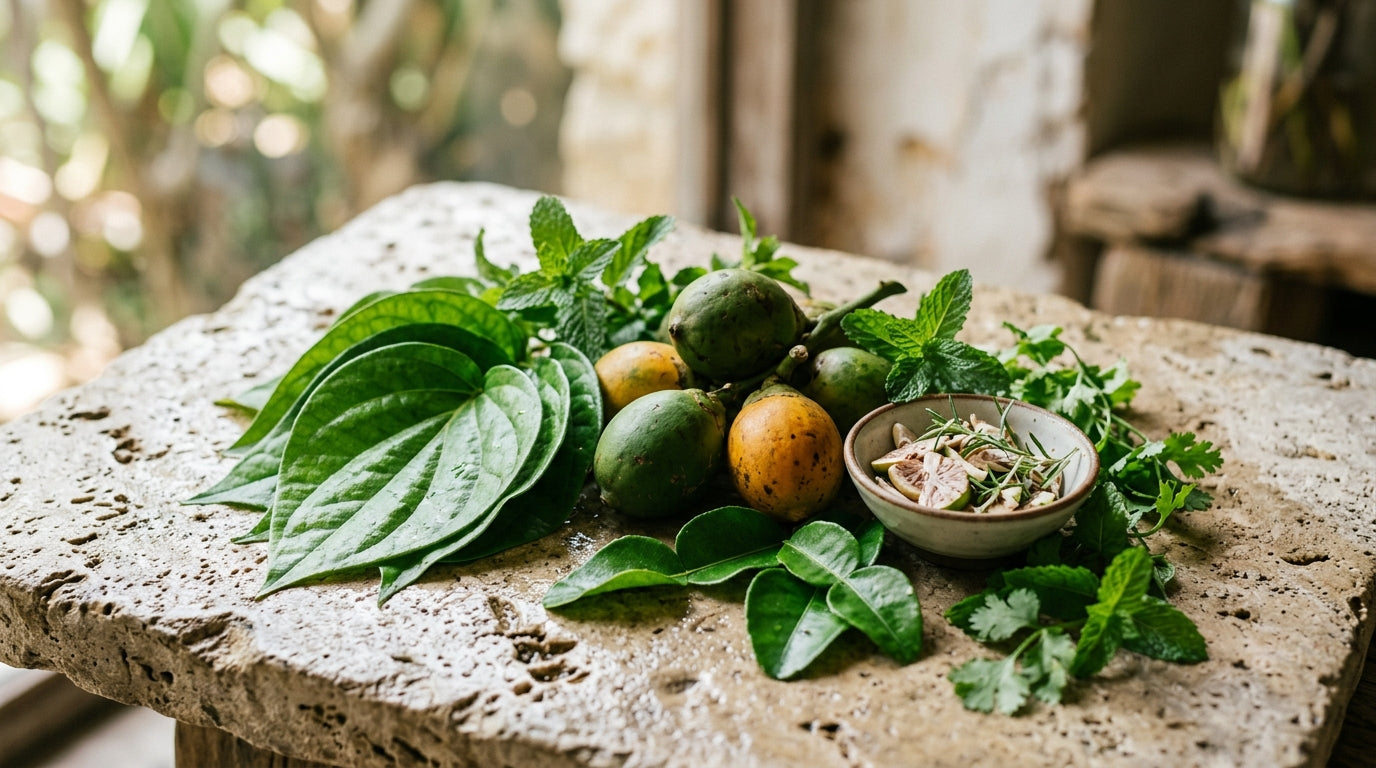
Bhilawa Gold Seed (Semecarpus anacardium) contains anacardic acids — principally 6-pentadecyl salicylic acid (C15:0) and its Δ8,11,14-triene congener (C15:3) — along with bhilawanol and semecarpol, which inhibit IκB kinase beta (IKKβ) to suppress NF-κB-mediated pro-inflammatory signaling. No PubMed-indexed randomized controlled trials exist under the commercial name 'Bhilawa Gold Seed,' though preclinical rodent studies on Semecarpus anacardium nut extracts have demonstrated antioxidant, anti-arthritic, anti-inflammatory, and anti-tumor activities in journals such as the Journal of Ethnopharmacology.

Origin
Bhilawa Gold Seed (Semecarpus anacardium) is derived from a tree native to the tropical and subtropical regions of India, Sri Lanka, and Southeast Asia. Revered in traditional medicine for its potent adaptogenic and neuroprotective properties, the seeds contain unique anacardic acids and flavonoids. It is valued in functional nutrition for its profound impact on cognitive function, metabolic regulation, and immune resilience.
Potential benefits
- Enhances cognitive function and protects neurological pathways through neuroprotective compounds like anacardic acids.
- Regulates metabolism and improves insulin sensitivity, contributing to metabolic balance.
- Supports immune resilience and defense mechanisms via its rich antioxidant and mineral profile.
- Improves digestive health and promotes gut microbiome balance with its prebiotic fiber content.
- Reduces systemic inflammation through its potent flavonoid and polyphenol compounds.
- Promotes stress balance and adaptogenic responses, supporting overall well-being.
How it works
The principal bioactives in Semecarpus anacardium — anacardic acids (6-pentadecyl salicylic acid, C15:0, and its Δ8,11,14-triene congener, C15:3), bhilawanol, and semecarpol — exert anti-inflammatory effects primarily by directly inhibiting the catalytic activity of IκB kinase beta (IKKβ), thereby preventing phosphorylation and proteasomal degradation of IκBα and blocking nuclear translocation of the NF-κB p65/p50 heterodimer. Anacardic acids also inhibit histone acetyltransferases (HATs), specifically p300 and PCAF, which modulates epigenetic regulation of pro-inflammatory gene expression including TNF-α, IL-6, and COX-2. Additionally, semecarpol and bhilawanol scavenge reactive oxygen species (ROS) by donating phenolic hydrogen atoms, reducing oxidative stress markers such as malondialdehyde (MDA) and elevating endogenous antioxidant enzymes including superoxide dismutase (SOD) and glutathione peroxidase (GPx). These combined actions on the NF-κB, HAT, and redox pathways underpin the broad anti-inflammatory, immunomodulatory, and cytoprotective properties attributed to the seed extract in preclinical models.
What the research says
Current clinical evidence for Bhilawa Gold Seed remains limited, with no published human trials or quantified efficacy data available in peer-reviewed literature. Traditional Ayurvedic applications suggest therapeutic potential for cognitive and metabolic support, but these uses lack rigorous clinical validation. The absence of controlled studies, specific dosage recommendations, or measurable outcomes represents a significant evidence gap. Further research is essential to substantiate claimed health benefits and establish safety parameters.
Safety and interactions
Semecarpus anacardium contains potent contact allergens — particularly bhilawanol and urushiol-related catechols — that can cause severe contact dermatitis, blistering, and chemical burns on skin and mucous membranes; internal use of improperly purified preparations has been associated with hepatotoxicity, nephrotoxicity, and gastrointestinal erosion in case reports from Ayurvedic practice. Anacardic acids have demonstrated in vitro inhibition of cytochrome P450 enzymes, particularly CYP3A4 and CYP2D6, raising the theoretical risk of pharmacokinetic interactions with drugs metabolized by these pathways, including statins, immunosuppressants, and certain antidepressants. Bhilawa Gold Seed is contraindicated in pregnancy, lactation, and in individuals with pre-existing hepatic or renal impairment; concurrent use with anticoagulants (e.g., warfarin) or antiplatelet agents should be avoided due to potential synergistic effects on bleeding risk. Traditional Ayurvedic preparation (shodhana) involves extensive purification with cow's milk or brick-powder processing to reduce toxicity, and consumption of unprocessed or commercially unpurified seed is strongly discouraged without qualified practitioner supervision.
Suggested use
- Traditionally consumed in Ayurvedic rasayana tonics blended with honey and herbs.
- Oil used topically for skin conditions and inflammation.
- Modern applications include nootropic supplements, adaptogenic powders, and antioxidant-rich elixirs.
- Recommended dosage: 500–1000 mg of standardized extract daily.
Frequently asked questions
What is Bhilawa Gold Seed and what plant does it come from?
Bhilawa Gold Seed is a supplement ingredient derived from the nut of Semecarpus anacardium, a deciduous tree native to the Indian subcontinent also known as the marking nut. In Ayurveda, it has been used for centuries after purification (shodhana) to address digestive, skin, and inflammatory conditions. Its key bioactive compounds include anacardic acids, bhilawanol, and semecarpol.
What are the main health benefits of Bhilawa Gold Seed?
Preclinical studies on Semecarpus anacardium extracts suggest anti-inflammatory, antioxidant, anti-arthritic, and immunomodulatory properties, driven primarily by anacardic acids that inhibit the NF-κB inflammatory pathway. Traditional Ayurvedic uses include supporting digestion, balancing Kapha and Vata doshas, detoxification, and promoting skin health. However, no human clinical trials have yet confirmed these benefits specifically for commercially marketed Bhilawa Gold Seed products.
Is Bhilawa Gold Seed safe to take as a supplement?
Unprocessed Semecarpus anacardium is toxic and can cause severe contact dermatitis, blistering, and organ damage. Traditional Ayurvedic preparation uses extensive purification (shodhana) to reduce toxic catechol content, but commercially available supplements vary widely in processing quality. It is strongly advised to use only purified preparations under the guidance of a qualified Ayurvedic practitioner and to avoid this ingredient during pregnancy, lactation, or with liver or kidney conditions.
How does Bhilawa Gold Seed reduce inflammation?
The anacardic acids in Semecarpus anacardium directly inhibit IκB kinase beta (IKKβ), blocking the NF-κB signaling cascade that drives production of pro-inflammatory cytokines such as TNF-α and IL-6. They also inhibit histone acetyltransferases (p300/PCAF), modulating epigenetic expression of inflammatory genes. Bhilawanol and semecarpol contribute additional antioxidant activity by scavenging reactive oxygen species and upregulating endogenous enzymes like SOD and glutathione peroxidase.
Are there any clinical studies on Bhilawa Gold Seed?
No PubMed-indexed randomized controlled trials exist under the commercial name 'Bhilawa Gold Seed.' The parent botanical, Semecarpus anacardium, has been studied in preclinical (cell culture and rodent) models with results published in journals such as the Journal of Ethnopharmacology, showing antioxidant, anti-tumor, and anti-inflammatory activity. Until peer-reviewed human trials are published, all efficacy claims remain preliminary and are based on traditional use and animal data.
How does Bhilawa Gold Seed support brain health and cognitive function?
Bhilawa Gold Seed contains neuroprotective compounds, particularly anacardic acids, that help protect and enhance neurological pathways. These compounds support cognitive function by reducing oxidative stress in the brain and promoting neural resilience, making it beneficial for maintaining mental clarity and focus. Regular supplementation may help protect against age-related cognitive decline through its antioxidant and neuroprotective mechanisms.
Can Bhilawa Gold Seed help with blood sugar control and metabolic health?
Bhilawa Gold Seed helps regulate metabolism and improve insulin sensitivity, contributing to better blood sugar balance and metabolic function. Its ability to enhance insulin sensitivity makes it particularly relevant for individuals concerned with metabolic health and stable energy levels throughout the day. This metabolic support is part of its broader role in maintaining overall physiological balance.
Does Bhilawa Gold Seed improve gut health and digestion?
Bhilawa Gold Seed contains prebiotic fiber that promotes healthy digestion and supports beneficial gut microbiome balance. By nourishing beneficial bacteria in the digestive tract, it contributes to improved digestive function and overall gastrointestinal health. This prebiotic activity makes it a valuable supplement for individuals looking to naturally enhance their digestive wellness and gut resilience.
References
- https://www.ncbi.nlm.nih.gov/search/all/?term=Bhilawa+Gold+Seed
- https://fdc.nal.usda.gov/fdc-app.html#/search?query=Bhilawa+Gold+Seed
- https://www.ncbi.nlm.nih.gov/pmc/articles/PMC8602143/
- https://www.sciencedirect.com/science/article/pii/S1756464622000243
This article is educational and is not medical advice. Statements have not been evaluated by the FDA and are not intended to diagnose, treat, cure, or prevent any disease. Consult a healthcare professional before use.