Current evidence for matico is limited to in vitro antimicrobial studies and animal inflammation models, with no human clinical trials published. Laboratory studies show essential oil concentrations of 0.1-1.0% inhibiting various bacterial strains including Staphylococcus aureus. Animal studies using 100-300mg/kg doses demonstrated reduced inflammatory markers, but human safety and efficacy remain unestablished. Traditional use evidence exists for urinary tract applications, but lacks controlled study validation.

Origin
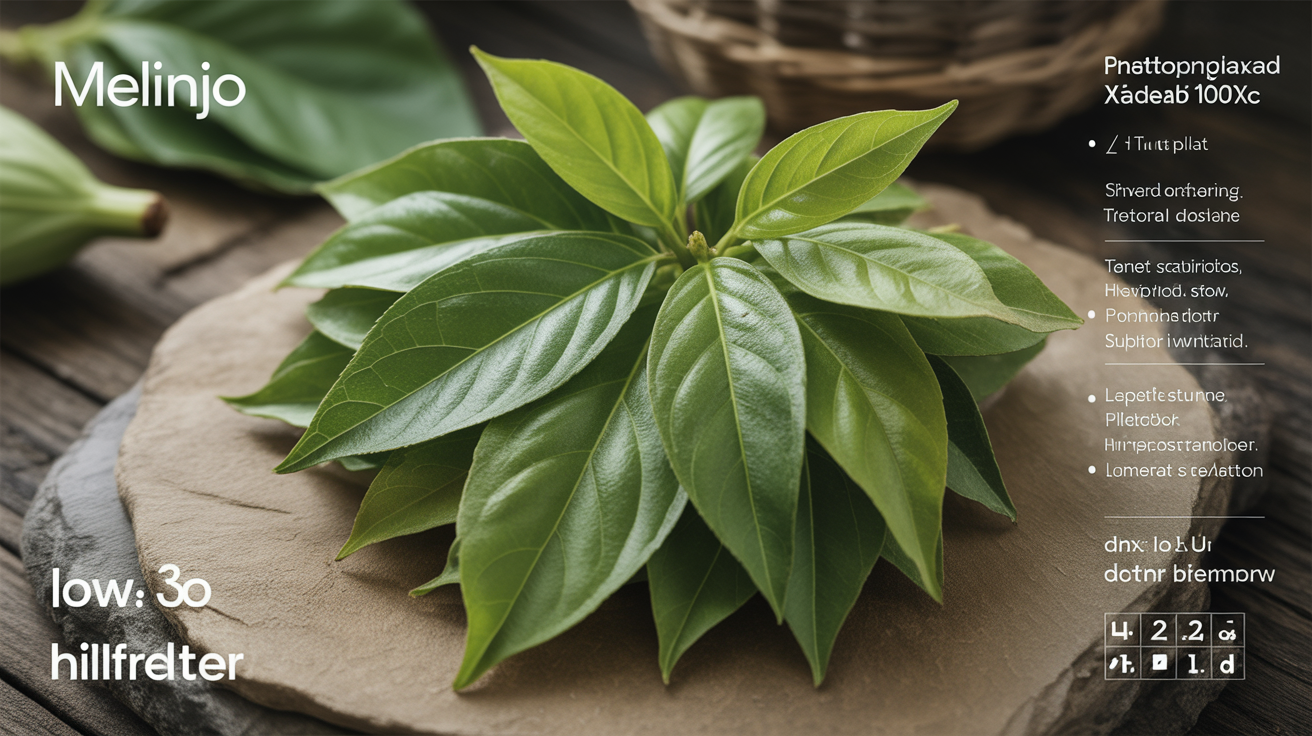
Matico (Piper aduncum) is an evergreen shrub native to the Amazonian region, growing abundantly in tropical zones from Mexico to Argentina, the Caribbean, and parts of South Asia. The leaves are harvested and typically prepared as infusions, powders, poultices, capsules, or essential oils through drying, crushing, or steam distillation processes.
Potential benefits
• Antimicrobial support through essential oil compounds like nerolidol (preliminary evidence from in vitro studies) • Anti-inflammatory effects via beta-caryophyllene's endocannabinoid system modulation (animal studies only) • Traditional diuretic action for urinary tract support (traditional use evidence only) • Respiratory support for conditions like asthma and bronchitis (traditional use evidence only) • Wound healing and hemostatic properties as "soldier's herb" (traditional use evidence only)
How it works
Matico's beta-caryophyllene acts as a selective CB2 cannabinoid receptor agonist, reducing inflammatory cytokine production and modulating immune responses. The essential oil compound nerolidol disrupts bacterial cell membrane integrity and inhibits biofilm formation. Traditional diuretic effects may occur through increased renal sodium excretion, though the exact mechanism remains unclear.
What the research says
No human clinical trials, randomized controlled trials, or meta-analyses have been conducted on Matico according to available research. Evidence is limited to traditional use reports, in vitro investigations, and animal studies examining antimicrobial and anti-inflammatory effects.
Safety and interactions
Safety data for matico supplementation is extremely limited due to lack of human studies. Potential interactions may occur with anticoagulant medications due to beta-caryophyllene's effects on platelet aggregation. Pregnancy and breastfeeding safety is unknown, so use should be avoided during these periods. Individuals with CB2 receptor-affecting medications should consult healthcare providers before use.
Suggested use
No clinically studied dosage ranges are available due to lack of human trials. Traditional forms include hot infusions of dried leaves, powders, capsules in unspecified "standardized doses," poultices for topical use, and diluted essential oil preparations. Consult a healthcare provider before starting any new supplement.
Frequently asked questions
What is the active compound in matico?
The primary active compounds are beta-caryophyllene and nerolidol in the essential oil fraction. Beta-caryophyllene acts on CB2 cannabinoid receptors while nerolidol provides antimicrobial effects.
How much matico should I take daily?
No established dosage exists for matico supplements as human studies are lacking. Traditional preparations used 2-4 grams of dried leaf as tea, but safety at these amounts is unconfirmed.
Does matico really help urinary tract infections?
Traditional use suggests urinary benefits, but no clinical trials have tested matico for UTIs. Laboratory studies show antimicrobial activity against some bacteria, but human effectiveness is unproven.
Can matico interact with blood thinners?
Potential interactions with anticoagulants are possible due to beta-caryophyllene's effects on platelet function. Consult your doctor before combining matico with warfarin or other blood-thinning medications.
Is matico the same as other piper species?
Matico (Piper aduncum) is distinct from other Piper species like black pepper (Piper nigrum) or kava (Piper methysticum). Each contains different active compounds and traditional uses despite being in the same plant family.
Is matico safe to use during pregnancy and breastfeeding?
Matico has traditional diuretic and uterine-stimulating properties that make it potentially unsafe during pregnancy, and clinical safety data in pregnant or breastfeeding women is lacking. It is advisable to avoid matico supplementation during these periods and consult a healthcare provider before use. Traditional use does not establish safety for vulnerable populations.
References
This article is educational and is not medical advice. Statements have not been evaluated by the FDA and are not intended to diagnose, treat, cure, or prevent any disease. Consult a healthcare professional before use.