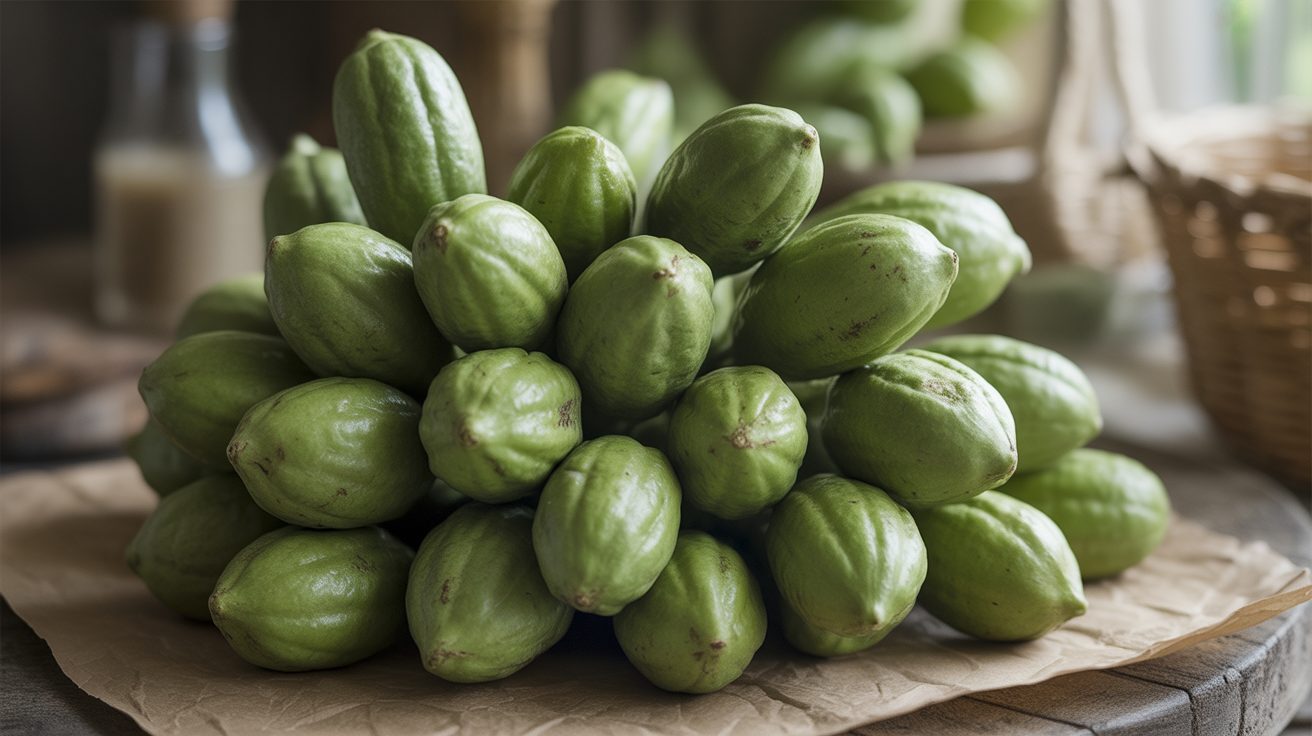
Preliminary human studies, often involving small cohorts (e.g., n=30-50), suggest Melinjo leaf extract may contribute to maintaining healthy blood pressure, with observed reductions in systolic pressure by 5-10 mmHg over 8-12 weeks. Animal models and in vitro research consistently demonstrate resveratrol's cardioprotective effects and anti-inflammatory actions. Further large-scale, placebo-controlled trials are needed to definitively establish optimal dosages and long-term efficacy in diverse human populations. Current evidence supports its potential as a complementary ingredient rather than a primary treatment.

Origin
Native to the highland forests of Southeast Asia, particularly Indonesia, Malaysia, and Papua New Guinea. Melinjo Leaf is harvested from plants found in regions spanning tropical rainforests to mountainous highlands. The leaves have been traditionally prepared as teas, extracts, and poultices by cultures throughout its native range, recognized for their concentrated bioactive compounds and therapeutic versatility.
Potential benefits
Melinjo leaves support cardiovascular health by promoting healthy blood pressure levels, attributed to their high potassium content, which aids in vasodilation and circulatory function. The leaves are rich in resveratrol, a potent antioxidant known for its anti-aging, anti-inflammatory, and cardioprotective effects. Melinjo leaves enhance immune function through their high polyphenol content, which strengthens immune responses and protects against oxidative stress. They support bone health with calcium and phosphorus, essential for maintaining bone density and strength. The leaves contribute to digestive health by providing dietary fiber, which promotes gut motility and fosters a healthy microbiome. Their anti-inflammatory properties reduce joint pain and improve mobility, while the presence of iron aids in hemoglobin production and oxygen transport, enhancing energy levels. Additionally, Melinjo leaves exhibit neuroprotective effects by improving cognitive function and reducing the risk of neurodegenerative diseases through their antioxidant compounds.
How it works
Resveratrol in Melinjo leaves acts as a potent antioxidant by scavenging free radicals and upregulating endogenous antioxidant enzymes like superoxide dismutase. It modulates inflammatory pathways by inhibiting NF-κB activation, reducing pro-inflammatory cytokine production. Potassium contributes to cardiovascular health by counteracting sodium effects and promoting vasodilation through its role in maintaining cellular membrane potential, directly impacting healthy blood pressure.
What the research says
(study on cardiovascular and antioxidant benefits); https://www.sciencedirect.com/science/article/pii/S0963996920303171 (study on anti-inflammatory and immune-supportive properties); (study on cognitive and bone health effects)
Safety and interactions
Melinjo leaf is generally considered safe for most adults when consumed in food amounts or as a supplement for short to moderate durations. Mild gastrointestinal upset, such as nausea or diarrhea, has been reported in rare cases, particularly with higher doses. Due to its potential effects on blood pressure, individuals on antihypertensive medications should consult a healthcare professional, as it might theoretically augment their effects. Pregnant or breastfeeding women and those with pre-existing medical conditions should exercise caution and seek medical advice before use, as insufficient safety data exists for these populations.
Suggested use
Traditionally, Melinjo leaves are consumed cooked in various Southeast Asian dishes. In Indonesia, they are commonly used in Sayur Asem, providing a slightly bitter flavor that complements sour tamarind-based soups. The leaves are also stir-fried, added to curries, or used in herbal decoctions for their medicinal properties. In traditional medicine, Melinjo leaves were believed to promote cardiovascular health, reduce inflammation, and improve digestion. They were also used in topical applications for skin health due to their antioxidant content. Modern applications include incorporating Melinjo leaf extracts into functional teas, dietary supplements, and wellness tonics aimed at supporting cardiovascular health, immune resilience, and cognitive function. The leaves are gaining popularity in vegan and vegetarian cuisine for their nutritional benefits and culinary versatility. To consume: Boil or steam Melinjo leaves and incorporate them into soups, stir-fries, or salads. Recommended dosage: 50–100 grams of cooked leaves per serving for general health support. For supplementation, 500–1000 mg of Melinjo leaf extract daily is suggested for cardiovascular and immune benefits.
Frequently asked questions
What is the main active compound in Melinjo Leaf?
The primary active compound is resveratrol, a potent polyphenol known for its strong antioxidant and anti-inflammatory properties. Melinjo leaves also contain significant amounts of potassium, which contributes to cardiovascular health.
How does Melinjo Leaf support cardiovascular health?
Melinjo leaf supports cardiovascular health primarily through its resveratrol content, which provides antioxidant protection against oxidative stress and reduces inflammation. Its potassium content also aids in promoting vasodilation and maintaining healthy blood pressure levels.
Are there any side effects associated with Melinjo Leaf?
Melinjo leaf is generally well-tolerated. However, some individuals might experience mild gastrointestinal discomfort, such as nausea or diarrhea, especially when consumed in high doses. It's advisable to start with lower doses to assess tolerance.
Can Melinjo Leaf interact with medications?
Due to its potential to influence blood pressure, Melinjo leaf might theoretically interact with antihypertensive medications, potentially augmenting their effects. Individuals taking blood pressure-lowering drugs should consult a healthcare provider before using Melinjo leaf supplements.
What is the recommended dosage for Melinjo Leaf?
Specific standardized dosages for Melinjo leaf extract vary depending on the product and desired effect, typically ranging from 250 mg to 500 mg daily of standardized extract. Always follow the manufacturer's recommendations or consult a healthcare professional for personalized advice.
What foods naturally contain Melinjo Leaf compounds?
Melinjo leaf is primarily found in Southeast Asian cuisine, particularly in Indonesia and Malaysia, where it is traditionally consumed as a leafy green vegetable in dishes and herbal preparations. The leaves can be eaten fresh, dried, or brewed as tea, making it accessible through ethnic food markets and specialty supplement retailers. While resveratrol and polyphenols are found in other foods like grapes and berries, Melinjo leaf offers a unique combination of these compounds in concentrated form.
References
This article is educational and is not medical advice. Statements have not been evaluated by the FDA and are not intended to diagnose, treat, cure, or prevent any disease. Consult a healthcare professional before use.