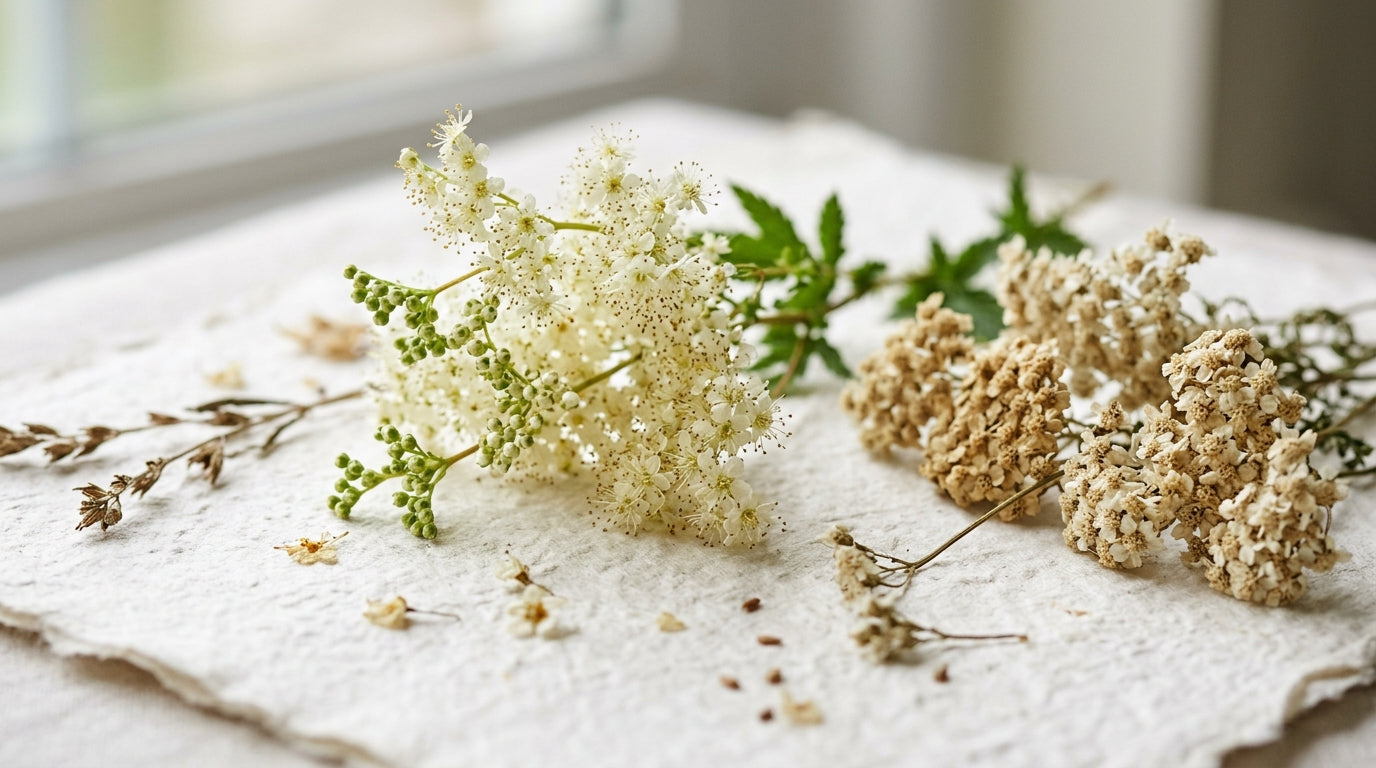
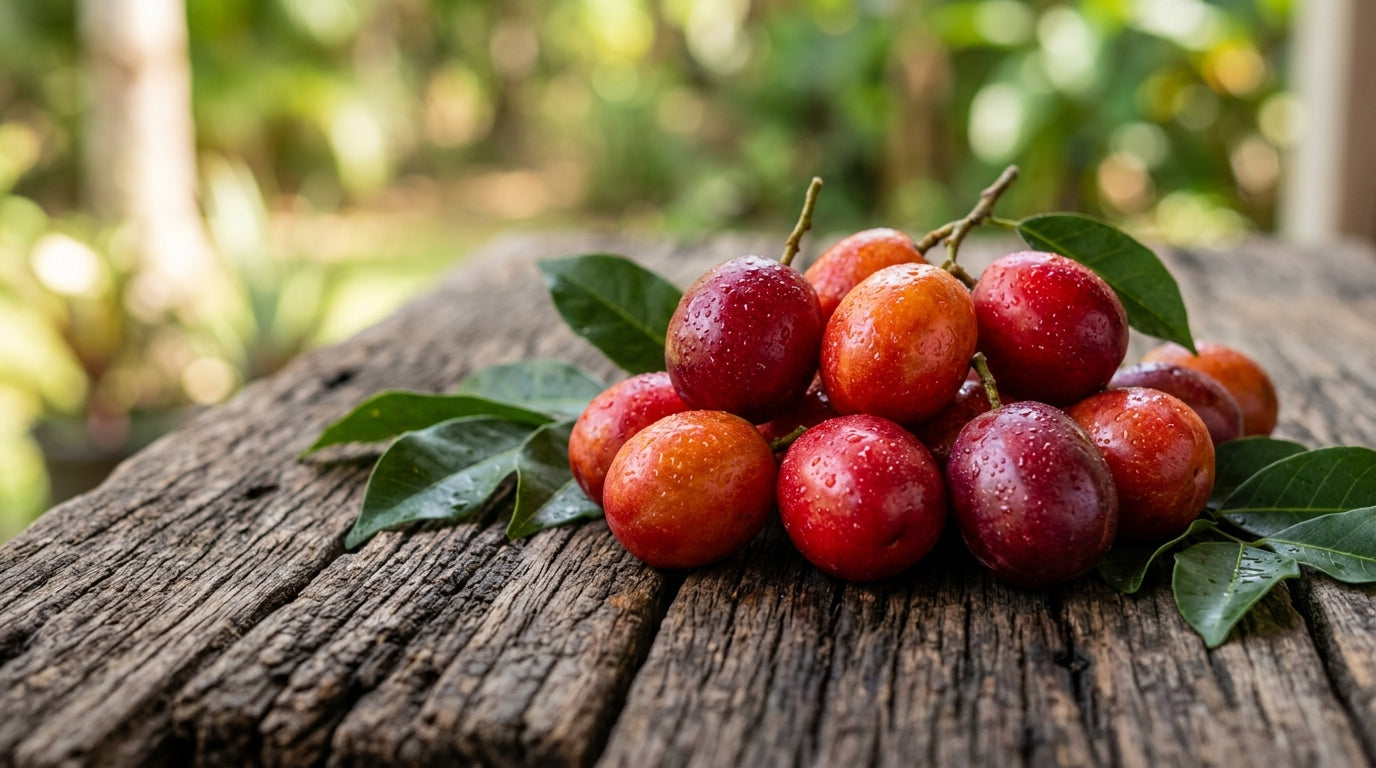
Melinjo (Gnetum gnemon) leaves and seeds are rich in resveratrol derivatives—including gnetin C and gnemonoside A—along with bioactive peptides (Gg-SP-A35, Gg-AOPI) that demonstrate potent antioxidant activity via DPPH/ABTS radical scavenging, ACE inhibition for blood pressure regulation, and α-glucosidase suppression relevant to glycemic control. A 2020 study (PMID 32152335) showed melinjo seed extract significantly increased high-molecular-weight adiponectin multimerization in both healthy and metabolically compromised subjects, while preclinical research (PMID 30340811) confirmed its ability to induce uncoupling protein 1 (UCP1) expression in brown adipose tissue, protecting against diet-induced obesity, inflammation, and insulin resistance.

Origin
Melinjo (Gnetum gnemon) is a tree native to Southeast Asia, particularly Indonesia, Malaysia, and Papua New Guinea, thriving in tropical lowland and highland forests. Its leaves are a rich source of bioactive compounds, notably resveratrol, valued for their potent antioxidant, anti-inflammatory, and metabolic-regulating properties.
Potential benefits
- Supports cardiovascular health by promoting healthy blood pressure and reducing oxidative stress, largely due to resveratrol.
- Enhances immune function through its rich polyphenol content, strengthening immune responses.
- Regulates blood sugar levels by optimizing insulin sensitivity and metabolic function.
- Provides potent antioxidant and anti-inflammatory protection, mitigating cellular damage.
- Promotes cognitive longevity by supporting neuroprotective pathways and reducing oxidative damage.
- Contributes to digestive wellness by providing dietary fiber and nourishing gut microbiota.
- Supports bone health with essential minerals like calcium and phosphorus.
How it works
Melinjo's principal stilbenoids—resveratrol, gnetin C, and gnemonoside A—activate AMPK and Sirt1 signaling pathways, enhancing mitochondrial biogenesis and upregulating uncoupling protein 1 (UCP1) in brown adipose tissue, which increases thermogenesis and counteracts metabolic dysfunction (PMID 30340811). Gnetin C specifically induces apoptosis in cancer cells through caspase-3/7 activation and inhibition of NF-κB-mediated pro-survival signaling, while also suppressing proliferative markers such as Ki-67 in prostate tumors (PMID 38611022, PMID 40077738). Bioactive peptides including Gg-SP-A35 and Gg-AOPI scavenge DPPH, ABTS, and hydroxyl radicals, chelate pro-oxidant Fe²⁺ and Cu²⁺ ions, and competitively inhibit angiotensin-converting enzyme (ACE) and carbohydrate-digesting enzymes α-amylase and α-glucosidase, thereby supporting blood pressure and postprandial glycemic regulation. Additionally, melinjo seed extract promotes adiponectin multimerization—shifting low-molecular-weight forms to the more metabolically active high-molecular-weight form—which improves insulin receptor substrate phosphorylation and downstream glucose uptake (PMID 32152335).
What the research says
Current evidence is limited to in vitro studies demonstrating melinjo's bioactivity, with no published human clinical trials available. Laboratory studies show potent antioxidant effects with EC50 values of 0.11 µg/mL for ABTS radical scavenging and strong enzyme inhibition (IC50 8.52 µg/mL for α-glucosidase). While animal studies suggest cardiovascular and metabolic benefits, human clinical data is needed to validate therapeutic efficacy and establish optimal dosing protocols.
Safety and interactions
Melinjo seed and leaf preparations are generally considered safe when consumed in traditional dietary amounts; however, the high resveratrol and stilbenoid content may potentiate the effects of anticoagulant and antiplatelet drugs (e.g., warfarin, aspirin) due to inhibition of platelet aggregation, warranting caution in patients on blood-thinning regimens. Resveratrol is a known modulator of cytochrome P450 enzymes, particularly CYP3A4 and CYP1A2, which could alter the metabolism of co-administered pharmaceuticals including statins, calcium channel blockers, and certain immunosuppressants. Individuals on antidiabetic medications should monitor blood glucose closely, as melinjo's α-glucosidase inhibition and insulin-sensitizing effects (PMID 35227186) may cause additive hypoglycemia. Pregnant and breastfeeding women should consult a healthcare provider before supplementing, as there is insufficient clinical safety data in these populations.
Suggested use
- Common forms: Fresh or cooked leaves, leaf extracts, functional teas, dietary supplements.
- Preparation: Traditionally consumed cooked in Southeast Asian dishes like Sayur Asem, stir-fries, or curries.
- Dosage: 50–100 grams of cooked leaves per serving for general health support; 500–1,000 mg of Melinjo leaf extract daily for targeted benefits.
- Timing: Can be incorporated into daily meals or taken as a supplement.
Frequently asked questions
What are the main health benefits of melinjo?
Melinjo offers potent antioxidant protection, cardiovascular support, blood sugar regulation, anti-obesity effects, and emerging anticancer activity. Its resveratrol derivatives enhance adiponectin multimerization for improved metabolic health (PMID 32152335), while gnetin C has shown efficacy against advanced prostate cancer in preclinical models (PMID 38611022). Bioactive peptides also inhibit ACE to support healthy blood pressure.
Is melinjo good for diabetes?
Yes, research supports melinjo's role in type 2 diabetes management. A comprehensive review by Ariyanto et al. (2023, PMID 35227186) found that resveratrol in melinjo seed extract improves insulin sensitivity, reduces oxidative stress, and modulates glucose metabolism. Its α-glucosidase inhibitory activity also helps control postprandial blood sugar spikes.
What is gnetin C in melinjo and why is it important?
Gnetin C is a resveratrol dimer and the most abundant stilbenoid in melinjo seeds, possessing superior bioavailability and a longer half-life than resveratrol itself. Campanelli et al. (2025, PMID 40077738) reviewed its therapeutic potential across cancer, metabolic syndrome, and inflammatory diseases. In a 2024 preclinical study (PMID 38611022), gnetin C significantly suppressed advanced prostate cancer growth through apoptosis induction and NF-κB pathway inhibition.
Can melinjo help with weight loss and obesity?
Preclinical evidence supports melinjo's anti-obesity properties. Yoneshiro et al. (2018, PMID 30340811) demonstrated that melinjo seed extract induced UCP1 expression in brown adipose tissue, significantly increasing energy expenditure and protecting mice from high-fat-diet-induced obesity, chronic inflammation, and insulin resistance. These thermogenic effects suggest potential as a natural weight management aid.
Does melinjo have anticancer properties?
Emerging research indicates significant anticancer potential. Sukohar et al. (2024, PMID 38694961) showed melinjo seed extract exhibited cytotoxic effects on MCF-7 breast cancer cells linked to its resveratrol content. Separately, Campanelli et al. (2024, PMID 38611022) demonstrated that gnetin C reduced tumor burden in an advanced prostate cancer mouse model by triggering caspase-mediated apoptosis and suppressing proliferative signaling.
Does melinjo interact with blood pressure or diabetes medications?
Melinjo may potentiate the effects of antihypertensive and antidiabetic medications due to its blood pressure-lowering and insulin-sensitizing properties. Individuals taking medications such as ACE inhibitors, beta-blockers, metformin, or insulin should consult their healthcare provider before adding melinjo supplements to avoid excessive drops in blood pressure or blood glucose. Medical supervision is recommended when combining melinjo with these drug classes.
What is the recommended daily dosage of melinjo, and when should I take it?
Typical melinjo supplementation ranges from 150–300 mg daily of standardized extracts, though optimal dosing varies by product concentration and individual health status. Melinjo can be taken with or without food, though consuming it with meals may enhance polyphenol absorption and reduce potential gastrointestinal irritation. Consistency over time is more important than timing; daily supplementation allows polyphenols to accumulate and support cardiovascular and metabolic benefits.
Is melinjo safe for pregnant women, children, and elderly populations?
Limited clinical data exist on melinjo's safety during pregnancy; pregnant women should avoid supplementation without medical clearance due to insufficient safety evidence. For children and the elderly, melinjo is generally considered safe at appropriate doses, though elderly individuals taking multiple medications should consult healthcare providers due to potential drug interactions. Elderly populations may particularly benefit from melinjo's cardiovascular and antioxidant support, provided there are no contraindications with existing medications.
References
- https://fdc.nal.usda.gov/fdc-app.html#/search?query=Melinjo
- https://fdc.nal.usda.gov/fdc-app.html#/search?query=Melinjo+Leaf
- https://www.foodandnutritionjournal.org/volume7number2/revealing-antioxidant-and-antidiabetic-potency-of-melinjo-gnetum-gnemon-seed-protein-hydrolysate-at-different-stages-of-seed-maturation/
- https://www.ncbi.nlm.nih.gov/search/all/?term=Melinjo
- https://www.ncbi.nlm.nih.gov/search/all/?term=Melinjo+Leaf
- https://www.news-medical.net/news/20200323/Melinjo-seed-extract-may-improve-obesity-and-diabetes.aspx
- https://www.sciencedaily.com/releases/2020/03/200323104149.htm
- https://pubmed.ncbi.nlm.nih.gov/?term=Melinjo
- https://pubmed.ncbi.nlm.nih.gov/?term=Melinjo+Seed
- https://www.ncbi.nlm.nih.gov/pmc/articles/PMC7428943/
- https://www.sciencedirect.com/science/article/pii/S0963996920303171
This article is educational and is not medical advice. Statements have not been evaluated by the FDA and are not intended to diagnose, treat, cure, or prevent any disease. Consult a healthcare professional before use.