No randomized controlled trials, observational clinical studies, or pharmacokinetic studies in humans have been conducted on Genipa americana or its isolated constituents as dietary supplements. The entirety of the current evidence is derived from in vitro phytochemical extraction studies and cell-free bioassays, meaning no human outcomes—such as biomarker changes, symptom relief, or adverse event rates—have been measured. Without pharmacokinetic data, it is impossible to determine whether orally consumed genipap extracts achieve tissue concentrations sufficient to replicate the in vitro activities reported. Confidence in any clinical benefit claim for this ingredient is very low, and clinical validation through properly designed human trials is an essential prerequisite before therapeutic recommendations can be made.

Origin
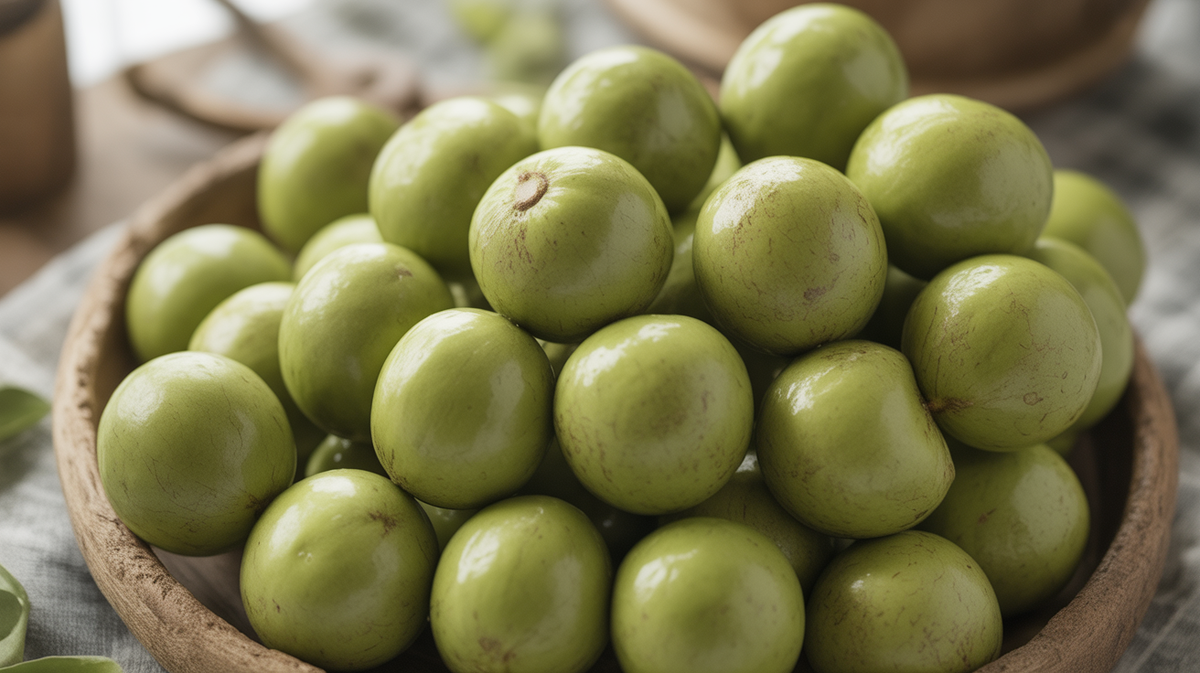
Genipa americana is native to tropical and subtropical regions of Central and South America, with its range extending from Mexico through the Amazon basin and into northern Argentina. The tree thrives in humid lowland rainforests, riverine floodplains, and gallery forests, tolerating seasonal flooding and a variety of soil types. It has been cultivated by indigenous Amazonian and Caribbean peoples for centuries, valued both as a food source and for the blue-black dye produced by its unripe fruit juice.
Potential benefits
- Antioxidant Activity: Mesocarp and endocarp extracts demonstrate measurable radical scavenging capacity via DPPH, ABTS, and FRAP assays, attributed to high genipin, geniposide, and phenolic content concentrated in these fruit fractions.
- Anti-inflammatory Potential: Iridoid compounds, particularly genipin and geniposide, share biosynthetic and structural similarities with bioactive iridoids from Gardenia jasminoides and have demonstrated anti-inflammatory properties in preclinical cell-based models by modulating inflammatory mediator pathways.
- Enzyme Inhibition: Leaf extracts containing geniposidic acid and genipatriol exhibited up to 93.94% inhibition of enzyme activity in in vitro bioassays, suggesting potential relevance to metabolic and inflammatory enzyme regulation, though specific enzyme targets require further characterization.
- Cognitive Support (Preliminary): A 14.95% acetylcholinesterase inhibition observed in leaf extract bioassays hints at modest cholinergic activity, which underpins interest in neuroprotective applications, although this magnitude is far below clinical thresholds established for approved agents.
- Antimicrobial and Antifungal Properties: Traditional Amazonian use for antimicrobial and antifungal purposes is partially supported by phytochemical analyses identifying iridoids and phenolics with known bioactivity against microbial membranes and enzymatic processes, though controlled in vitro MIC studies are limited.
- Natural Colorant with Bioactive Co-benefits: The blue-black pigment derived from unripe genipap juice results from genipin reacting with amino acids; genipin itself has demonstrated crosslinking bioactivity useful in biomaterial science and is associated with cytotoxic effects against certain cell lines in vitro.
- Nutritional Antioxidant Contribution: Fruit residues contain total phenolics reaching ranges comparable to moderate-antioxidant tropical fruits (estimated 326–444 mg GAE/100g dry weight range for related Amazonian fruits), with soluble sugars at 422.72 ± 19.15 mg/g dry weight, contributing to overall nutritive and phytochemical value.
How it works
The primary iridoid genipin acts as a reactive electrophile capable of crosslinking amino groups in proteins and forming pigmented polymers, and at the cellular level has been associated with mitochondrial uncoupling and modulation of inflammatory signaling cascades including NF-κB pathway components in preclinical models. Geniposide, the glycosylated precursor to genipin, undergoes hydrolysis by intestinal beta-glucosidases to release genipin, suggesting a prodrug-like activation mechanism that may influence bioavailability and site of action within the gastrointestinal tract. Phenolic constituents such as naringenin contribute to antioxidant effects through direct radical hydrogen-atom transfer and single-electron transfer mechanisms, while also inhibiting pro-inflammatory enzymes such as cyclooxygenase and lipoxygenase in cell-free and cell-based assays. Acetylcholinesterase inhibition observed in leaf extracts is tentatively attributed to the iridoid and phenolic fraction acting at the enzyme's active or peripheral anionic site, though binding affinity constants and selectivity data have not been established for Genipa americana isolates specifically.
What the research says
The evidence base for Genipa americana consists exclusively of in vitro phytochemical analyses, extraction optimization studies, and preliminary bioassay data; no human clinical trials or animal pharmacological studies with defined endpoints have been published in the sources available. Extraction studies using pressurized ethanol at 50–80°C and 2–20 bar have quantified genipin and geniposide yields with high precision (genipin 48.6 ± 0.6 mg/g, geniposide 59 ± 1 mg/g), providing reproducible phytochemical benchmarks but no biological efficacy data in living systems. Bioassay data reporting 93.94% enzyme inhibition and 14.95% acetylcholinesterase inhibition in leaf extracts lack details on assay concentrations, positive controls, or dose-response relationships, substantially limiting interpretability. Overall, the scientific literature on Genipa americana is sparse, methodologically preliminary, and insufficient to establish efficacy, dose, or safety in humans.
Safety and interactions
No formal human toxicology studies, adverse event reports, or maximum tolerated dose data exist for Genipa americana extracts or isolated genipin in supplemental contexts, making a comprehensive safety characterization impossible at this time. Genipin has demonstrated cytotoxic activity against certain cell lines in vitro, which warrants caution regarding high-dose or concentrated extract use until in vivo toxicological studies establish a safety threshold. Genipin's known protein-crosslinking reactivity raises theoretical concerns about tissue reactivity at elevated concentrations, and its use in biomaterials research specifically exploits this property, suggesting biological potency that merits careful human safety evaluation. No drug interaction data are available; however, given iridoids' potential effects on hepatic enzyme activity and the presence of reactive electrophilic compounds, caution is advisable when combining with hepatically metabolized drugs, anticoagulants, or medications with narrow therapeutic windows. Use during pregnancy and lactation is not recommended due to the complete absence of safety data in these populations.
Suggested use
- Traditional Whole Fruit Consumption: Ripe fruits are eaten fresh or processed into juices and fermented beverages across Amazonian communities; no standardized dose exists for therapeutic intent.
- Unripe Fruit Dye/Topical Use: Juice from unripe fruits, rich in genipin precursors, is applied topically for skin decoration; not intended for internal use in this form due to reactive genipin content.
- Pressurized Ethanol Extract (Research Grade): Optimal extraction achieved at 50–80°C, 2–20 bar using ethanol; yields genipin up to 48.6 mg/g and geniposide up to 59 mg/g raw material—used in laboratory settings only, no commercial supplement dose established.
- Ultrasonic Acetone Extract of Fruit Residues: 80% acetone with ultrasonic assistance used for polyphenol extraction from processing residues; applied in research for antioxidant assays, not a commercial preparation.
- Standardized Supplement Forms: No commercially standardized supplement forms (capsules, tablets, tinctures) with defined genipin or geniposide percentages are currently established or approved for human supplemental use.
- Timing and Duration: No clinical data exist to inform dosing frequency, timing relative to meals, or safe duration of supplemental use.
Frequently asked questions
What is genipin and why is it important in Genipa americana?
Genipin is the primary bioactive iridoid aglycone found in Genipa americana, present at concentrations up to 48.6 ± 0.6 mg/g in endocarp extracts under optimized pressurized ethanol extraction. It is notable for its protein-crosslinking reactivity, antioxidant properties, and demonstrated in vitro cytotoxic and anti-inflammatory activities. Genipin is also widely used in biomaterial science as a natural crosslinking agent, making it one of the most commercially and scientifically studied compounds from this fruit.
Are there any clinical trials on Genipa americana for human health?
As of the current literature review, no human clinical trials have been conducted on Genipa americana or its isolated constituents for any health indication. All available evidence is limited to in vitro phytochemical analyses, extraction optimization studies, and cell-free bioassays. This means that while preclinical data suggest biological activity, no evidence-based dosing, efficacy, or safety conclusions can be drawn for human supplementation.
What is genipap fruit used for traditionally?
Traditionally, Genipa americana fruit has been used across Amazonian, Caribbean, and Central American indigenous cultures primarily as a source of blue-black body paint and textile dye from the unripe fruit juice, a practice still observed among groups such as the Kayapó of Brazil. Ripe fruits are consumed fresh, as juice, and in fermented beverages for their nutritional and purported tonic properties. Leaf and bark preparations have been used in folk medicine for antimicrobial, antifungal, and respiratory complaints, though none of these uses have been validated in controlled clinical studies.
Is Genipa americana safe to take as a supplement?
There is currently no established safety profile for Genipa americana as a dietary supplement, as no human toxicology studies, adverse event monitoring, or pharmacokinetic data exist. Genipin, the primary bioactive compound, has demonstrated in vitro cytotoxicity and is a reactive protein-crosslinking agent, raising theoretical safety concerns at high concentrations. Until formal human safety studies are completed, supplemental use—especially in pregnant or lactating individuals, or those on medications metabolized by the liver—cannot be recommended with confidence.
How is geniposide different from genipin in genipap extracts?
Geniposide is the glycosylated form of genipin, meaning it has a sugar molecule attached that must be cleaved by intestinal beta-glucosidase enzymes to release the active aglycone genipin in the body. Geniposide is found at even higher concentrations than genipin in mesocarp extracts, reaching up to 59 ± 1 mg/g raw material under optimized extraction conditions. This prodrug-like relationship means that the bioavailability and activity of genipin after oral consumption of genipap products depends substantially on gut microbial and intestinal enzymatic activity, though this process has not been studied in humans.
What is the difference between genipap fruit extract and standardized genipin supplements?
Genipap fruit extract contains the whole fruit matrix including genipin, geniposide, phenolic compounds, and other iridoids working synergistically, while standardized genipin supplements isolate and concentrate a single compound. Whole fruit extracts from genipap's mesocarp and endocarp demonstrate measurable antioxidant activity across multiple assay methods (DPPH, ABTS, FRAP), suggesting the full spectrum of compounds may provide broader biological effects than genipin alone. The choice depends on whether you seek the traditional whole-fruit benefits or targeted single-compound potency.
References
- https://pubmed.ncbi.nlm.nih.gov/?term=genipap+genipa+americana
- https://pubmed.ncbi.nlm.nih.gov/32517903
This article is educational and is not medical advice. Statements have not been evaluated by the FDA and are not intended to diagnose, treat, cure, or prevent any disease. Consult a healthcare professional before use.