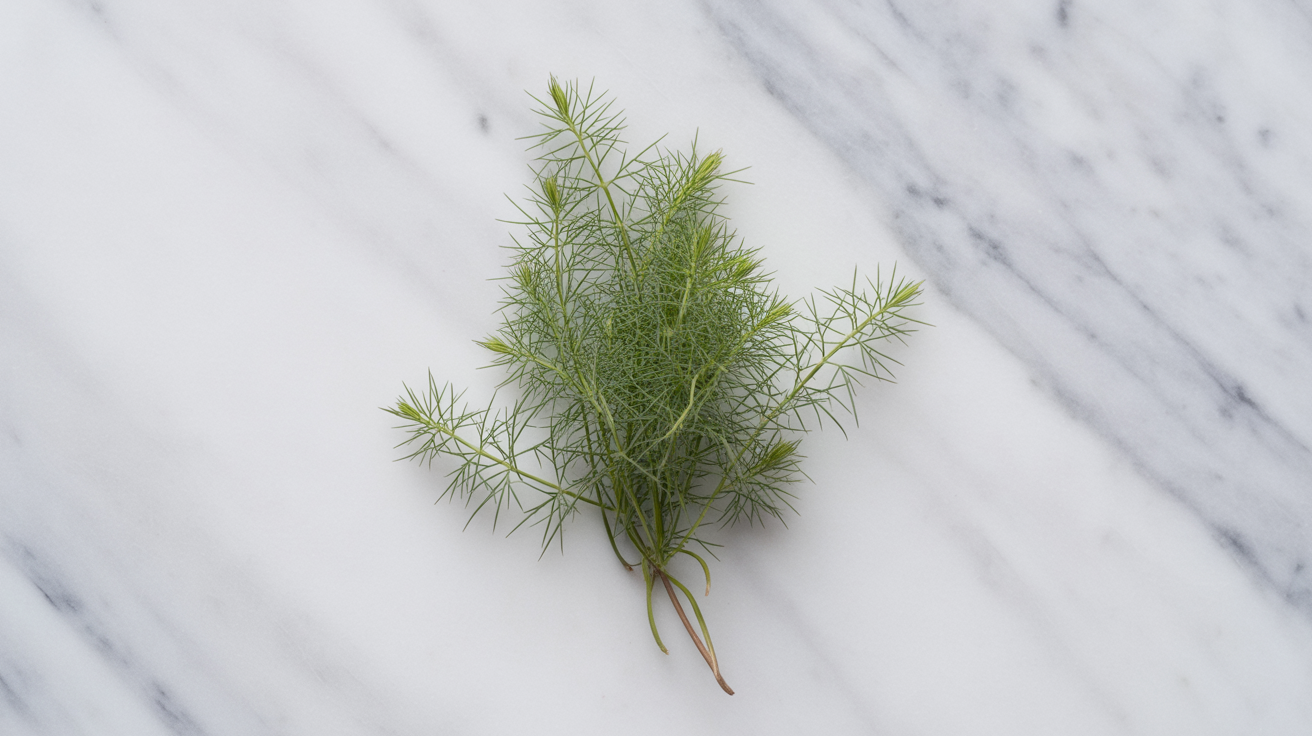
Specific human clinical trials on Cress Flower Vinegar are currently lacking. However, research primarily on its parent plant, *Lepidium sativum*, indicates potential health benefits from its rich glucosinolate and flavonoid content. *In vitro* and animal studies suggest positive effects on digestive health, immune function, and skin health, showing promise in antioxidant and anti-inflammatory capacities. Further human studies are needed to confirm these effects for the vinegar preparation.

Origin
Cress Flower Vinegar is an acidic extract derived from the flowers of garden cress (Lepidium sativum). Originating from the Mediterranean region, garden cress is now widely cultivated in temperate climates globally. This vinegar is valued in functional nutrition for its unique phytochemicals that support digestion and detoxification.
Potential benefits
- Reduces oxidative stress through its rich antioxidant content, protecting cellular integrity.
- Supports digestive health by stimulating gastric secretions and promoting gut motility.
- Boosts immune function by providing vitamin C and other immune-modulating compounds.
- Promotes skin health by supporting cellular regeneration and protection against environmental stressors.
- Enhances detoxification processes, facilitating the elimination of metabolic waste.
How it works
The bioactive compounds in Cress Flower Vinegar, particularly phenolic acids and flavonoids, exert antioxidant effects by elevating glutathione S-transferase activity. Glucosinolates contribute to anti-inflammatory actions by inhibiting pro-inflammatory mediators and may offer antimicrobial benefits. Additionally, compounds like vitamin C further support immune function.
What the research says
Research on Cress Flower Vinegar, primarily focusing on its parent plant Lepidium sativum, indicates potential benefits for digestive health, immune function, and skin health due to its glucosinolate and flavonoid content. While in vitro and animal studies show promise, specific human clinical trials on the vinegar form are emerging.
Safety and interactions
While Cress Flower Vinegar is likely generally safe in culinary amounts, specific safety data for this preparation are limited. Large doses of *Lepidium sativum* (garden cress) may interact with anticoagulants due to its vitamin K content and could potentially affect thyroid function due to goitrogenic compounds, especially in individuals with pre-existing thyroid conditions. Pregnant or breastfeeding individuals should use with caution and consult a healthcare provider, as traditional uses and some animal studies suggest potential uterine stimulant effects in high doses. It's also advisable to monitor blood sugar if taken with hypoglycemic medications.
Suggested use
- Common forms: Liquid vinegar.
- Dosage: Mix 1–2 tablespoons of Cress Flower Vinegar in water, tea, or use in culinary recipes.
- Timing: Can be consumed daily as part of a wellness tonic or incorporated into meals.
Frequently asked questions
What exactly is Cress Flower Vinegar?
Cress Flower Vinegar is typically an acidic extract or infusion made from the flowers of garden cress, scientifically known as *Lepidium sativum*. It is not a commercial product per se, but rather a preparation that harnesses the beneficial compounds found in the garden cress plant.
What are the key bioactive compounds in Cress Flower Vinegar?
The primary bioactive compounds found in garden cress, and thus likely in its flower vinegar, include phenolic acids like gallic acid, various flavonoids such as kaempferol glucuronide, and glucosinolates like glucotropaeolin. These compounds are responsible for many of its purported health benefits.
How does Cress Flower Vinegar contribute to reducing oxidative stress?
Cress Flower Vinegar helps reduce oxidative stress through its rich antioxidant content, particularly phenolic acids and flavonoids. These compounds work by scavenging free radicals and enhancing the body's natural antioxidant defenses, such as by elevating glutathione S-transferase activity, thereby protecting cellular integrity.
Are there human clinical trials specifically on Cress Flower Vinegar?
Currently, there are no specific human clinical trials available for Cress Flower Vinegar as a distinct product. Most of the research on its health benefits is derived from studies on the parent plant, *Lepidium sativum*, using *in vitro* or animal models.
Are there any known side effects or drug interactions with Cress Flower Vinegar?
While generally considered safe in culinary amounts, high doses of garden cress may interact with certain medications. Potential interactions include anticoagulants due to vitamin K content and thyroid medications due to goitrogenic compounds. It is always best to consult a healthcare professional if you have underlying health conditions or are taking medications.
How much Cress Flower Vinegar should I take daily, and when is the best time to consume it?
Typical dosing ranges from 1-2 tablespoons (15-30 mL) of Cress Flower Vinegar daily, often diluted in water or used as a culinary ingredient with meals. The best time to consume it is with or shortly before meals to maximize its digestive benefits and support gastric secretion stimulation. Individual tolerance may vary, so starting with smaller amounts and gradually increasing is recommended to assess personal response.
References
- https://www.ncbi.nlm.nih.gov/search/all/?term=Cress+Flower+Vinegar
- https://fdc.nal.usda.gov/fdc-app.html#/search?query=Cress+Flower+Vinegar
- https://pubmed.ncbi.nlm.nih.gov/?term=Cress+Flower+Vinegar
This article is educational and is not medical advice. Statements have not been evaluated by the FDA and are not intended to diagnose, treat, cure, or prevent any disease. Consult a healthcare professional before use.