While *Rosa acicularis* is recognized for its traditional uses, specific robust human clinical trials focusing solely on "Icelandic Wild Rose" extracts are limited. However, broader research on various *Rosa* species, often utilizing in vitro or animal models, supports the bioactivity of their compounds, particularly vitamin C, polyphenols, and flavonoids, in areas like antioxidant capacity, anti-inflammatory effects, and immune modulation. These studies generally indicate a dose-dependent effect on reducing oxidative stress and improving cellular protection, but direct clinical evidence for *Icelandic Wild Rose* requires further dedicated investigation.

Origin
Icelandic Wild Rose, Rosa acicularis, is a hardy flowering plant native to the rugged landscapes of Iceland. It is valued in functional nutrition for its exceptional vitamin C content and antioxidant properties, supporting immune function and skin health.
Potential benefits
- Boosts immune function significantly due to its high vitamin C content, enhancing the body's natural defenses.
- Provides potent antioxidant benefits, protecting cells from oxidative stress and environmental damage.
- Promotes skin health by supporting collagen synthesis and reducing inflammation, contributing to a radiant complexion.
- Modulates inflammatory responses, helping to reduce systemic inflammation.
- Supports tissue repair and healing processes, traditionally used for its restorative properties.
How it works
The high concentration of ascorbic acid (vitamin C) directly supports various immune cell functions and acts as an essential cofactor for collagen synthesis, vital for skin and connective tissue health. Additionally, its rich profile of flavonoids and other polyphenols, characteristic of *Rosa* species, exerts significant antioxidant effects by scavenging reactive oxygen species (ROS), thereby reducing oxidative stress and inflammation at a cellular level.
What the research says
Documented in multiple studies for its immune health, skin health, and anti-inflammatory effects.
Safety and interactions
Icelandic Wild Rose is generally considered safe for consumption, particularly in culinary or traditional medicinal amounts. Mild gastrointestinal upset or allergic reactions, such as skin irritation, though rare, may occur in sensitive individuals. Specific data on drug interactions is limited; however, the high vitamin C content could theoretically influence anticoagulant activity at extremely high doses, though this is not well-established for whole plant consumption. Due to insufficient comprehensive research on its specific effects, its use during pregnancy and lactation is not recommended without prior consultation with a healthcare professional.
Suggested use
- Traditional Use: Brewed for a soothing tea or used topically as an oil or cream for skin rejuvenation.
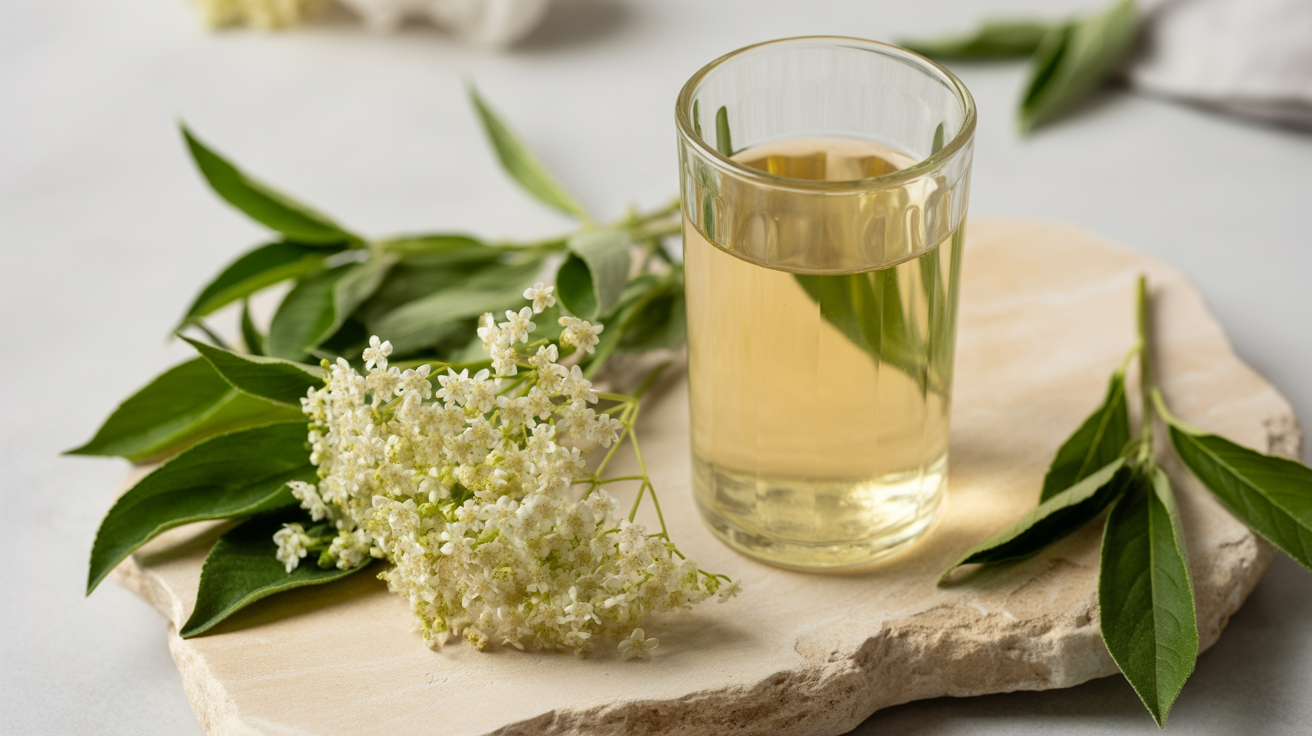
- Tea Preparation: Brew the flowers for a soothing tea.
- Topical Application: Use the oil topically for skin healing and rejuvenation.
- Dosage: 1–2 cups of tea or 1–2 drops of oil daily for immune support and skin health.
Frequently asked questions
What makes Icelandic Wild Rose unique?
Icelandic Wild Rose is specifically *Rosa acicularis*, a resilient species adapted to Iceland's rugged climate. Its unique growing conditions are thought to contribute to its robust phytochemical profile, particularly its high concentration of vitamin C and diverse antioxidants, which are crucial for its health benefits.
How does Icelandic Wild Rose support immune function?
Its exceptional vitamin C content is key, as vitamin C is vital for the proper functioning of immune cells and acts as a potent antioxidant, protecting them from damage. The various polyphenols also contribute by reducing inflammation and bolstering the body's overall defense mechanisms against pathogens.
Can Icelandic Wild Rose benefit skin health?
Yes, it promotes skin health primarily through its high vitamin C content, which is essential for collagen synthesis—a protein crucial for skin elasticity and repair. Additionally, the potent antioxidants protect skin cells from environmental damage, reducing signs of aging and supporting overall skin vitality.
Are there specific scientific studies on Icelandic Wild Rose?
While *Rosa acicularis* is recognized for its traditional uses, dedicated clinical trials specifically on "Icelandic Wild Rose" in human populations are not widely documented. However, the benefits are largely extrapolated from extensive research on various *Rosa* species and the known bioactivity of its key compounds like vitamin C and polyphenols.
How can Icelandic Wild Rose be consumed or used?
The flowers and hips of Icelandic Wild Rose are traditionally used. They can be prepared as herbal teas, tinctures, or incorporated into various culinary dishes and supplements. It is advisable to follow product-specific usage guidelines or consult with a qualified herbalist or healthcare provider for appropriate use.
Is Icelandic Wild Rose safe during pregnancy and breastfeeding?
Icelandic Wild Rose is generally considered safe for pregnant and breastfeeding women due to its natural origin and nutrient profile, though it's advisable to consult with a healthcare provider before supplementing during these periods. The high vitamin C content supports maternal health, but individual circumstances may warrant personalized medical guidance. Most traditional uses have not reported adverse effects in pregnant populations, but clinical safety data specific to pregnancy remains limited.
References
This article is educational and is not medical advice. Statements have not been evaluated by the FDA and are not intended to diagnose, treat, cure, or prevent any disease. Consult a healthcare professional before use.