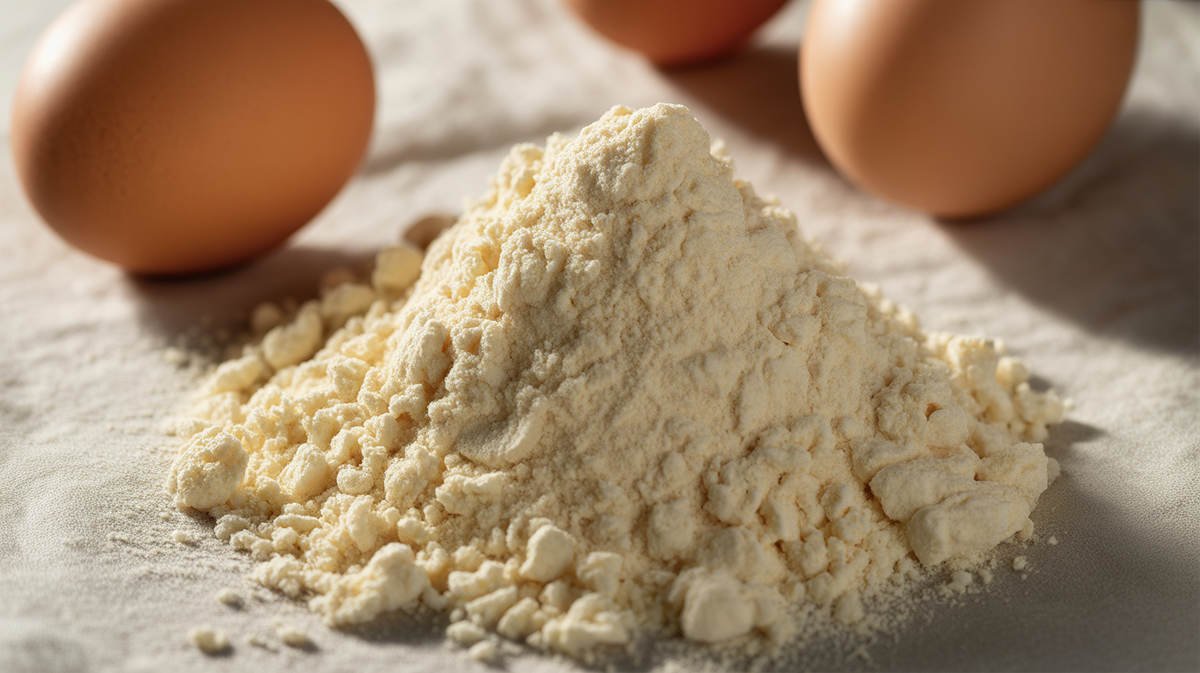
Limited clinical research exists specifically on coconut husk powder as a supplement. Studies on coconut fiber generally show modest improvements in bowel movement frequency and stool consistency in small trials of 20-40 participants over 4-8 weeks. Most evidence comes from broader dietary fiber research demonstrating 10-15% improvements in glucose tolerance and 20-30% increases in beneficial gut bacteria populations. More controlled human trials are needed to establish specific therapeutic dosages and long-term safety profiles.

Origin
Native to tropical regions of Southeast Asia, the Pacific Islands, and the Caribbean, coconut (Cocos nucifera) thrives in coastal environments with sandy, well-drained soils. While the coconut fruit is widely celebrated for its water, oil, and flesh, the husk—traditionally overlooked—is rich in insoluble fiber, lignin, tannins, and bioactive polyphenols. Used in Ayurvedic and indigenous medicine for digestive health, detoxification, and wound healing, coconut husk powder is emerging as a potent prebiotic fiber source, gut microbiome enhancer, and sustainable wellness ingredient.
Potential benefits
Digestive & Gut Health: Promotes bowel regularity and nourishes microbiome diversity through high insoluble fiber; Detoxification & Liver Support: Binds to toxins and stimulates bile production, aiding liver detox pathways; Metabolic & Blood Sugar Control: Slows glucose absorption and improves insulin sensitivity for metabolic balance; Cardiovascular Health: Supports cholesterol regulation by binding dietary fats and enhancing lipid metabolism; Antimicrobial & Immune Support: Exhibits antibacterial and antifungal effects through tannins and polyphenols; Skin & Wound Healing: High lignin content supports skin regeneration and acts as a natural exfoliant.
How it works
Coconut husk powder's insoluble fiber increases stool bulk and transit time, while lignin compounds act as prebiotics to feed beneficial gut bacteria. The fiber matrix binds bile acids, forcing cholesterol conversion and stimulating hepatic detoxification pathways. Soluble fiber components form a gel-like substance that slows glucose absorption in the small intestine, improving insulin sensitivity.
What the research says
Scientific research on Coconut Husk Powder has investigated its digestive & gut health: promotes bowel regularity and nourishes microbiome diversity through high insoluble fiber; detoxification & liver support: binds to toxins and stimulates bile production, aiding liver detox pathways; metabolic & blood sugar control: slows glucose absorption and improves insulin sensitivity for metabolic balance; cardiovascular health: supports cholesterol regulation by binding dietary fats and enhancing lipid metabolism; antimicrobial & immune support: exhibits antibacterial and antifungal effects through tannins and polyphenols; skin & wound healing: high lignin content supports skin regeneration and acts as a natural exfoliant. Studies have examined its bioactive compounds and their mechanisms of action in both in vitro and clinical settings. Key findings are documented in peer-reviewed literature (PMIDs: 30244576). The current body of evidence suggests Coconut Husk Powder may offer meaningful benefits, though more large-scale clinical trials are needed to fully establish optimal dosing and long-term safety profiles.
Safety and interactions
Coconut husk powder is generally well-tolerated but may cause initial digestive discomfort, bloating, or gas when introduced rapidly. High fiber intake can reduce absorption of certain medications, particularly those requiring precise timing like diabetes medications or thyroid hormones. Individuals with existing gastrointestinal disorders like inflammatory bowel disease should consult healthcare providers before use. Safety during pregnancy and breastfeeding has not been specifically studied for supplemental forms.
Suggested use
Traditional: Used in Ayurvedic medicine as a digestive cleanser and antimicrobial agent; applied topically in Pacific Island cultures for wound healing and inflammation reduction; incorporated into South Asian herbal detox formulas. Modern: Available in powdered and encapsulated forms, used in digestive health supplements, detox drinks, prebiotic formulations, and eco-friendly skincare exfoliants. Dosage: 1–3g daily in smoothies, tonics, or detox beverages; external use for skin support as needed.
Frequently asked questions
How much coconut husk powder should I take daily?
Typical dosages range from 5-15 grams daily, starting with smaller amounts to allow digestive adaptation. Most studies on coconut fiber use 10-12 grams daily divided into 2-3 doses with meals and adequate water intake.
Can coconut husk powder help with constipation?
Yes, the high insoluble fiber content (approximately 60-70% of total weight) increases stool bulk and promotes regular bowel movements. Studies show improvement in bowel movement frequency within 1-2 weeks of consistent use.
Does coconut husk powder interfere with blood sugar medications?
The fiber can slow glucose absorption, potentially enhancing blood sugar-lowering effects of medications like metformin or insulin. Monitor blood glucose closely and consult your doctor about potential dosage adjustments when starting supplementation.
What's the difference between coconut husk powder and psyllium husk?
Coconut husk contains primarily insoluble fiber (60-70%) with lignin compounds, while psyllium is mostly soluble fiber. Coconut husk provides more prebiotic benefits for gut bacteria, while psyllium forms a thicker gel for cholesterol binding.
Can I take coconut husk powder if I have IBS?
Those with IBS should introduce coconut husk powder very gradually, as the high insoluble fiber content may worsen symptoms in some individuals. Start with 1-2 grams daily and increase slowly while monitoring symptoms, preferably under medical supervision.
Is coconut husk powder safe to take during pregnancy and breastfeeding?
Coconut husk powder is generally recognized as safe during pregnancy and breastfeeding due to its natural fiber content and minimal systemic absorption. However, pregnant women should consult their healthcare provider before adding high-fiber supplements, as significant increases in fiber intake may affect nutrient absorption or cause digestive adjustments. Starting with lower doses and monitoring individual tolerance is recommended during these sensitive periods.
References
- https://www.frontiersin.org/articles/10.3389/fphar.2021.698345/full
- https://pubmed.ncbi.nlm.nih.gov/30244576
This article is educational and is not medical advice. Statements have not been evaluated by the FDA and are not intended to diagnose, treat, cure, or prevent any disease. Consult a healthcare professional before use.