Evidence for guaco comes primarily from animal studies and traditional use reports, with no published human clinical trials available. In rodent models, guaco extracts reduced lung inflammation markers by 30-50% compared to controls. Traditional practitioners report effectiveness for coughs and bronchitis, but these claims lack controlled human studies. The current evidence base is considered preliminary and requires human clinical validation.

Origin
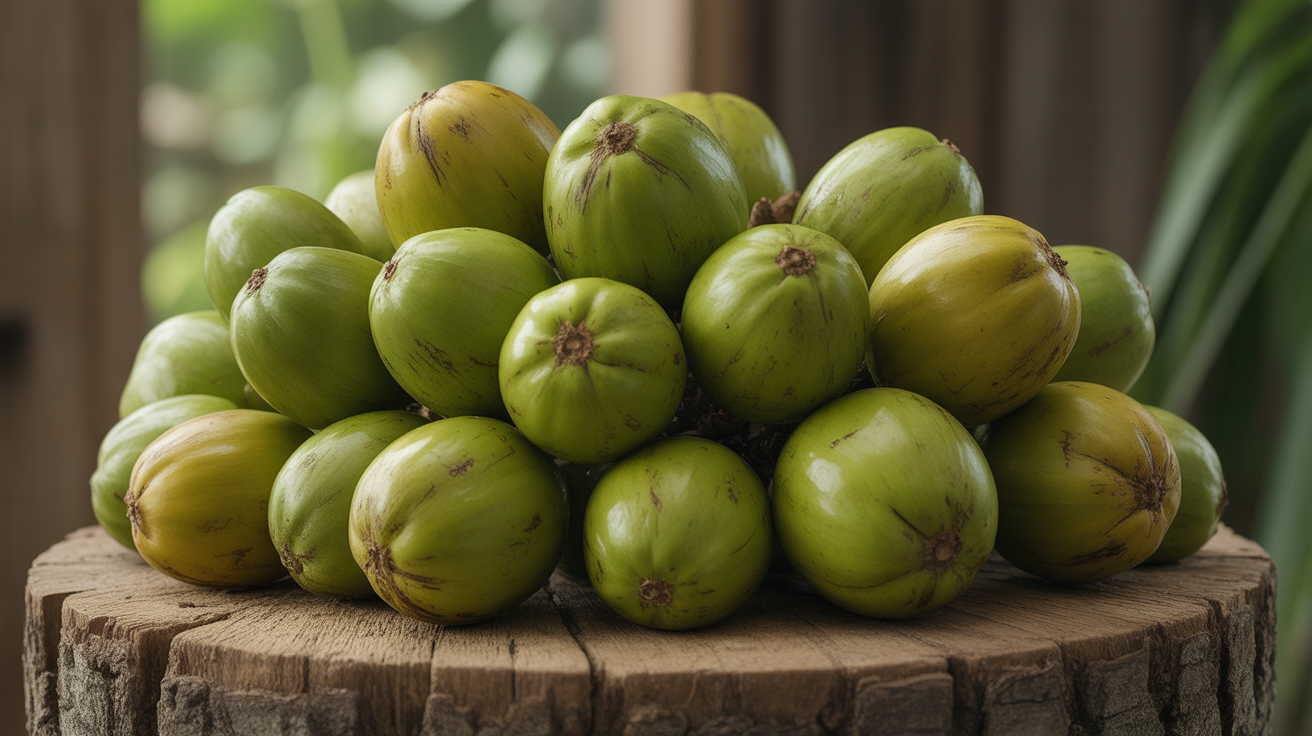
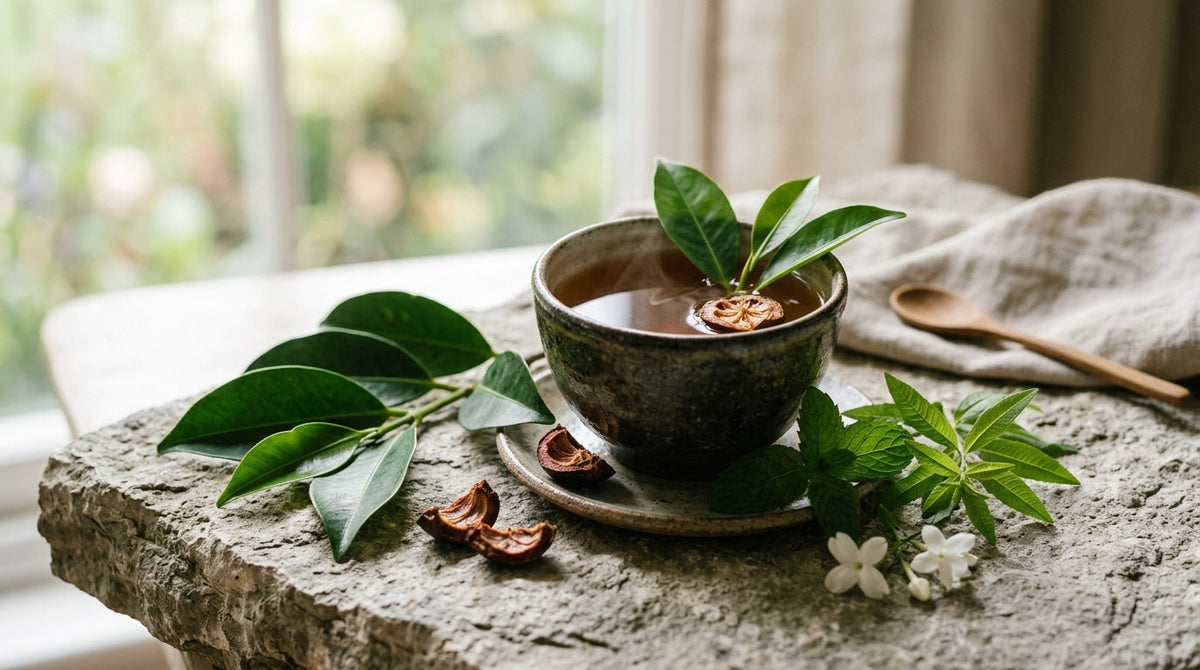
Guaco (Mikania glomerata) is a perennial climbing vine native to South America, particularly Brazil, belonging to the Asteraceae family. It is sourced from the leaves of the plant, with extraction typically involving ethanol or hydroalcoholic methods to produce standardized extracts rich in coumarins, sesquiterpenes, diterpenes, and flavonoids.
Potential benefits
• May reduce lung inflammation and oxidative stress (evidence from animal models only) • Traditional use for respiratory conditions including coughs, bronchitis, and asthma (traditional evidence only) • Potential anti-inflammatory effects through metalloprotease inhibition (preclinical evidence only) • Historical use for wound healing applications (traditional evidence only) • Traditional antivenom properties for snakebite treatment (traditional evidence only)
How it works
Guaco's coumarin compounds, particularly dicoumarol derivatives, inhibit matrix metalloproteases (MMPs) that break down lung tissue during inflammation. The herb's flavonoids and phenolic acids reduce oxidative stress by scavenging free radicals and modulating inflammatory cytokines like TNF-α and IL-1β in respiratory tissues.
What the research says
No human clinical trials, RCTs, or meta-analyses for Mikania glomerata were identified in the research. Evidence is limited to preclinical pharmacological reviews and animal models, including rat studies showing anti-inflammatory and antioxidant effects from hydroalcoholic extracts (100 mg/kg subcutaneously) reducing lung inflammation after coal dust exposure.
Safety and interactions
Guaco contains coumarin compounds that may interact with anticoagulant medications like warfarin, potentially increasing bleeding risk. Common side effects in traditional use include mild gastrointestinal upset and skin sensitivity in some individuals. Safety during pregnancy and breastfeeding has not been established through clinical studies. Individuals with bleeding disorders should avoid guaco supplementation.
Suggested use
No clinically studied dosage ranges for humans are available. Animal studies used hydroalcoholic extracts at 100 mg/kg subcutaneously. Standardized ethanol extracts have been analyzed containing 1.34% 2-hydroxycinnamic acid and 0.151% coumarin, but human dosing has not been established. Consult a healthcare provider before starting any new supplement.
Frequently asked questions
What is the active compound in guaco?
Guaco contains coumarin derivatives, particularly dicoumarol compounds, along with flavonoids and phenolic acids. These coumarin compounds are responsible for the herb's potential anti-inflammatory and respiratory benefits.
How much guaco should I take for respiratory issues?
Traditional preparations typically use 2-4 grams of dried leaves as tea, but no standardized dosage exists due to lack of human studies. Most commercial extracts suggest following manufacturer guidelines, usually 300-500mg daily.
Can guaco interact with blood thinners?
Yes, guaco's coumarin content may enhance the effects of anticoagulant medications like warfarin, potentially increasing bleeding risk. Anyone taking blood thinners should consult a healthcare provider before using guaco supplements.
Is guaco effective for asthma?
Animal studies suggest guaco may reduce lung inflammation associated with asthma, but no human clinical trials have confirmed its effectiveness. Traditional use supports respiratory benefits, but scientific evidence remains preliminary.
What are the side effects of guaco?
Traditional use reports mild gastrointestinal upset and potential skin sensitivity as the most common side effects. Due to coumarin content, excessive use may increase bleeding risk or cause liver concerns in sensitive individuals.
Is guaco safe to use during pregnancy and breastfeeding?
There is insufficient clinical evidence regarding guaco's safety during pregnancy and breastfeeding, so it is generally recommended to avoid use during these periods as a precaution. Traditional use does not establish safety in modern medical standards, and pregnant or nursing women should consult a healthcare provider before considering guaco supplementation. No controlled studies have been conducted to assess potential risks to fetal development or infant health.
References
This article is educational and is not medical advice. Statements have not been evaluated by the FDA and are not intended to diagnose, treat, cure, or prevent any disease. Consult a healthcare professional before use.