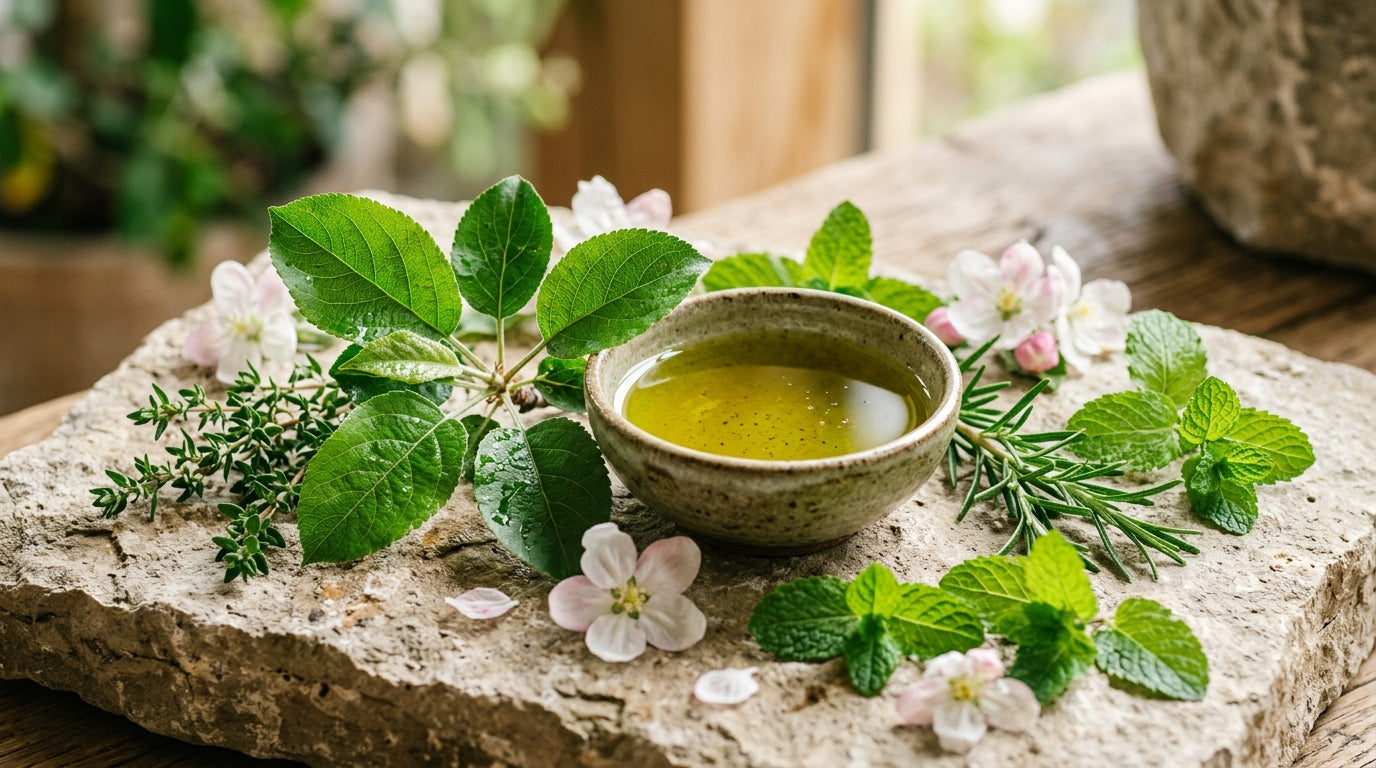
Apple Cider Honey Blend combines acetic acid from apple cider vinegar with phenolic antioxidants from raw honey, creating synergistic effects on glucose metabolism and antimicrobial activity. The organic acids regulate blood glucose through enzyme modulation while phenolic compounds provide antioxidant effects with IC50 values of 65.20 mg/mL in DPPH assays.

Origin
Apple Cider Honey Blend is a functional tonic crafted by combining raw, unfiltered honey with apple cider vinegar, typically derived from organic apples. This blend synergizes the distinct nutritional profiles of both ingredients, offering a potent elixir for wellness.
Potential benefits
- Enhances digestive function by promoting healthy stomach acid levels and enzymatic activity.
- Modulates blood sugar response, supporting glucose regulation and metabolic health.
- Boosts immune system resilience through the antimicrobial and antioxidant properties of raw honey.
- Supports detoxification pathways, aiding the body's natural cleansing processes.
- Provides anti-inflammatory and antioxidant benefits from polyphenols, protecting against oxidative stress.
How it works
Acetic acid from apple cider vinegar inhibits HMG-CoA reductase enzyme activity, reducing cholesterol synthesis and regulating glucose metabolism through enhanced insulin sensitivity. Phenolic compounds from honey provide antioxidant effects by scavenging free radicals and inhibiting cyclooxygenase-1 enzyme, reducing prostaglandin synthesis and inflammatory responses. The antimicrobial activity occurs through pH reduction and direct enzyme inhibition, with minimum inhibitory concentrations of 31.81 mg/mL against Bacillus subtilis and Candida albicans.
What the research says
Human clinical trials specifically on Apple Cider Honey Blend are limited, with most evidence derived from animal studies and in vitro research on individual components. In hyperlipidemic rat studies, polyphenol-rich mixtures containing apple cider and honey reduced triglycerides to 0.76 ± 0.27 mmol/L compared to 1.04 ± 0.03 mmol/L in controls. Rat inflammation models showed significant paw edema reduction from hour 3 post-administration (p < 0.05) through cyclooxygenase pathway modulation. The evidence base relies heavily on traditional use and extrapolation from component studies rather than large-scale randomized controlled trials of the specific blend.
Safety and interactions
High acidity from apple cider vinegar may cause gastrointestinal irritation, dental enamel erosion, and throat irritation, particularly with undiluted preparations. Honey contributes additional calories and natural sugars, requiring monitoring in diabetic patients or those following carbohydrate-restricted diets. No specific drug interactions have been documented for the blend, but the acetic acid component may theoretically affect medication absorption or gastric pH-dependent drug metabolism. Pregnant and breastfeeding women should exercise caution due to limited safety data, and individuals with gastroesophageal reflux or peptic ulcer disease should avoid use.
Suggested use
- Forms: Consumed as a liquid blend.
- Dosage: Mix 1-2 tablespoons with water daily, ideally on an empty stomach, for digestive and detoxifying benefits.
- Culinary Use: Excellent as a base for salad dressings, marinades, or in immunity-boosting tonics with ginger or lemon.
Frequently asked questions
What are the anti-inflammatory benefits of Apple Cider Honey Blend?
Apple Cider Honey Blend delivers anti-inflammatory effects primarily through phenolic compounds in raw honey, which inhibit cyclooxygenase-1 (COX-1) enzyme activity, thereby reducing prostaglandin synthesis — a key driver of inflammation. Acetic acid from apple cider vinegar complements this by modulating oxidative stress pathways. The blend's antioxidant capacity has been measured at an IC50 of 65.20 mg/mL in DPPH free-radical scavenging assays. Regular consumption may help reduce low-grade systemic inflammation, though individual results depend on diet, lifestyle, and consistency of use.
Can Apple Cider Honey Blend help with cholesterol levels?
Acetic acid in Apple Cider Honey Blend may support healthier cholesterol levels by inhibiting HMG-CoA reductase, the same enzyme targeted by statin medications, which plays a central role in cholesterol biosynthesis. This mechanism suggests a potential for modest reductions in LDL cholesterol synthesis. However, specific clinical trials on the combined blend are limited, and the evidence is largely derived from studies on apple cider vinegar alone. It should be considered a complementary strategy alongside a balanced diet, not a replacement for prescribed therapy.
Does Apple Cider Honey Blend have antimicrobial properties?
Yes. Apple Cider Honey Blend exhibits measurable antimicrobial activity, with a minimum inhibitory concentration (MIC) of 31.81 mg/mL demonstrated against both Bacillus subtilis and Candida albicans. The mechanism involves two pathways: acetic acid from apple cider vinegar lowers pH to create a hostile environment for pathogens, while phenolic compounds from raw honey directly inhibit microbial enzymes. This dual-action antimicrobial effect makes the blend potentially useful for supporting gut microbiome balance and immune defence against common bacterial and fungal threats.
When is the best time to take Apple Cider Honey Blend?
The recommended timing for Apple Cider Honey Blend is on an empty stomach, ideally first thing in the morning. Consuming 1–2 tablespoons diluted in water before meals may enhance its benefits for digestion by promoting healthy stomach acid levels and enzymatic activity ahead of food intake. Taking it pre-meal may also support glucose regulation by improving post-meal insulin sensitivity. Avoid taking it undiluted, as the acidity of apple cider vinegar can irritate tooth enamel and the oesophagus over time.
Can Apple Cider Honey Blend improve gut health and digestion?
Apple Cider Honey Blend may support digestive health through multiple mechanisms. Acetic acid helps maintain healthy stomach acid levels, which are essential for protein digestion and nutrient absorption. Raw honey contributes prebiotic properties that can support beneficial gut bacteria. Together, the organic acids and phenolic compounds may enhance overall enzymatic activity in the gastrointestinal tract. While traditional use strongly supports its digestive applications, individuals with acid reflux or gastritis should consult a healthcare provider before use, as acetic acid could exacerbate these conditions.
Are there any side effects of taking Apple Cider Honey Blend?
Apple Cider Honey Blend is generally well tolerated at recommended doses of 1–2 tablespoons daily diluted in water. Potential side effects relate primarily to the acetic acid content: undiluted consumption may erode tooth enamel, irritate throat tissue, or worsen acid reflux symptoms. Those with gastroparesis should use caution, as vinegar may slow gastric emptying. The honey component adds natural sugars, which individuals monitoring caloric or carbohydrate intake should factor in. Always dilute properly, consume through a straw to protect teeth, and consult a doctor if you have pre-existing digestive or metabolic conditions.
Can I take Apple Cider Honey Blend with medications?
Apple Cider Honey Blend may interact with certain medications and warrants caution. Acetic acid's ability to enhance insulin sensitivity could amplify the effects of diabetes medications, increasing hypoglycaemia risk. Its potential HMG-CoA reductase inhibition may also interact with statin drugs. Diuretic medications combined with regular vinegar consumption could increase potassium depletion risk. Individuals taking blood thinners, digoxin, or insulin-sensitising drugs should consult their healthcare provider before adding this blend to their routine. Start with a lower dose to assess individual tolerance alongside any existing medication regimen.
How does Apple Cider Honey Blend support immune health?
Apple Cider Honey Blend supports immune function through complementary mechanisms from both components. Raw honey's phenolic antioxidants scavenge free radicals that can impair immune cell function, while its antimicrobial activity — demonstrated against pathogens like Candida albicans — helps reduce microbial burden. Apple cider vinegar contributes via pH modulation, creating an unfavourable environment for harmful bacteria. The combined antioxidant effect, measured at IC50 of 65.20 mg/mL, helps protect immune cells from oxidative damage. These properties make the blend a supportive addition to a balanced immune health strategy, particularly during seasonal transitions.
What are the primary bioactive compounds in Apple Cider Honey Blend?
The primary bioactives include acetic acid and organic acids from apple cider vinegar, plus phenolic compounds, flavonoids, and antioxidants from raw honey. These compounds work synergistically to provide antimicrobial effects with MIC values of 31.81 mg/mL against certain pathogens and antioxidant activity measured at 65.20 mg/mL IC50 in DPPH assays.
How much Apple Cider Honey Blend should I take daily?
No standardized clinical dosing guidelines exist for Apple Cider Honey Blend due to limited human trials. Traditional use typically involves 1-2 tablespoons diluted in water, but individual tolerance varies due to the acidic nature of apple cider vinegar. Consultation with healthcare providers is recommended for personalized dosing recommendations.
References
- https://www.ncbi.nlm.nih.gov/search/all/?term=Apple+Cider+Honey+Blend
- https://www.ncbi.nlm.nih.gov/pmc/articles/PMC1785201
- https://www.sciencedirect.com/science/article/pii/S175646461830385X
This article is educational and is not medical advice. Statements have not been evaluated by the FDA and are not intended to diagnose, treat, cure, or prevent any disease. Consult a healthcare professional before use.