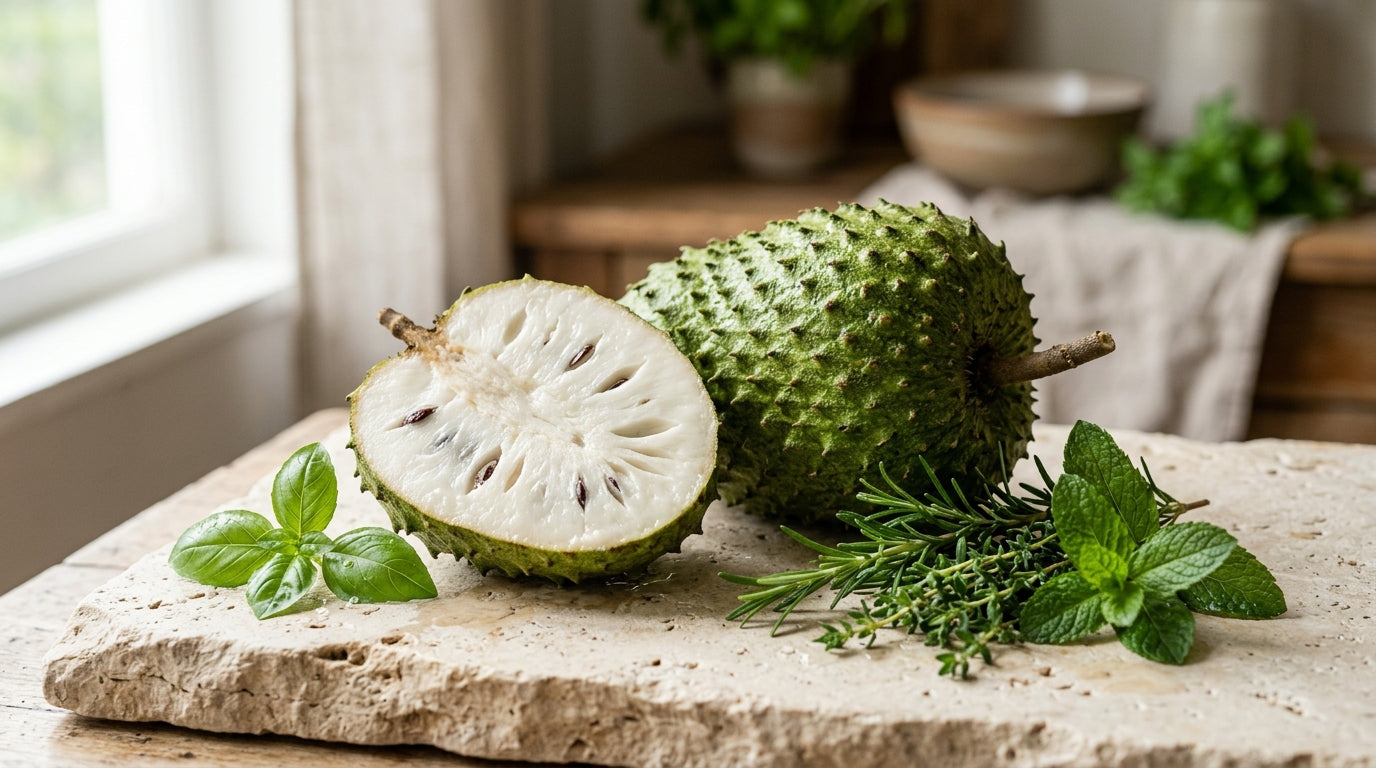
Soap pod extracts contain saponins, amphiphilic glycosides that disrupt cell membranes by forming cholesterol complexes and exhibit antimicrobial activity. These compounds demonstrate cytotoxic effects at 28 μg/mL concentrations through apoptosis induction and ROS scavenging mechanisms.

Origin
Soap Pod refers to the fruit of various plant species, primarily Sapindus mukorossi (reetha) and Acacia concinna (shikakai), known for their high saponin content. These pods are native to tropical and subtropical regions across Africa, Asia, and Central America. They are valued in functional nutrition for their cleansing, antimicrobial, and anti-inflammatory properties.
Potential benefits
- Supports digestive wellness by promoting healthy gut flora and aiding detoxification processes.
- Enhances immune resilience through its antimicrobial and anti-inflammatory saponins.
- Promotes respiratory health by acting as an expectorant and soothing irritated airways.
- Boosts skin vitality by cleansing, reducing inflammation, and supporting natural barrier function.
- Contributes to metabolic balance by potentially influencing lipid and glucose metabolism.
- Improves hair and scalp health by acting as a natural cleanser and conditioning agent.
How it works
Saponins contain hydrophilic sugar chains attached to lipophilic triterpene or steroid aglycone skeletons, enabling membrane disruption through cholesterol complex formation. They activate immune cells including macrophages and NK cells while inducing apoptosis via caspase 8/9 activation and mitochondrial potential loss. The compounds also scavenge reactive oxygen species and modulate cytokine production, increasing IL-6/8/10 while decreasing IL-1β.
What the research says
Current evidence is limited to in vitro and animal studies, with no human clinical trials available for soap pod extracts. Laboratory studies show 0.5% crude saponin extract achieved 37.1% foaming power compared to sodium lauryl sulfate. Antimicrobial testing demonstrated activity against 6 Gram-positive bacteria, 12 Gram-negative bacteria, and 3 Candida species, with bacterial zone inhibition of 18.67 ± 0.29 mm at 100% concentration. Antioxidant activity showed scavenging capacity of 357.41 ± 2.07 μg/mL in laboratory assays.
Safety and interactions
Safety data is extremely limited with no established contraindications or drug interactions documented. Cytotoxic effects occur at 28 μg/mL concentrations, suggesting potential toxicity at higher doses through membrane disruption mechanisms. Hemolytic potential from cholesterol-binding properties may contraindicate use in individuals with anemia, though this remains untested. Pregnant and breastfeeding women should avoid use due to insufficient safety data and potential membrane-disrupting effects on developing tissues.
Suggested use
- Common forms: Powdered pod, capsules, aqueous infusions for external use.
- For internal use, brew 1-2 grams of powdered pod in herbal infusions or take in capsule form daily.
- For external use, infuse crushed pods in water to create a natural cleansing solution for skin and hair.
- No specific contraindications or interactions noted, but caution advised for internal use due to high saponin content.
Frequently asked questions
What are the main bioactive compounds in soap pod extracts?
Saponins are the primary bioactive compounds, consisting of hydrophilic sugar chains attached to lipophilic triterpene or steroid aglycone skeletons. These amphiphilic molecules create soap-like foaming properties and demonstrate antimicrobial activity through membrane disruption mechanisms.
How effective are soap pod saponins against bacterial infections?
Laboratory studies show activity against 18 different bacterial species including both Gram-positive and Gram-negative strains, plus 3 Candida species. Testing demonstrated bacterial zone inhibition of 18.67 ± 0.29 mm at 100% concentration, though human clinical efficacy remains unproven.
Are there any known side effects from using soap pod products?
Safety data is extremely limited with cytotoxic effects observed at 28 μg/mL in laboratory studies. Potential membrane disruption and hemolytic activity suggest caution at higher doses, particularly for individuals with anemia or during pregnancy.
What is the difference between soap pod and regular soap ingredients?
Soap pod extracts contain natural saponins that achieve 37.1% foaming power compared to synthetic sodium lauryl sulfate, while also providing antimicrobial and antioxidant properties. Unlike synthetic detergents, saponins work through cholesterol complex formation and demonstrate additional biological activities including immune modulation.
Can soap pod extracts help with digestive health issues?
While traditional use suggests digestive benefits, current evidence is limited to preliminary animal studies showing anti-inflammatory effects and gut flora modulation. Human clinical trials are needed to establish safety and efficacy for digestive wellness applications.
Is soap pod safe to use during pregnancy and breastfeeding?
While soap pod has been traditionally used in various cultures, there is limited clinical data on its safety during pregnancy and breastfeeding. It is advisable to consult with a healthcare provider before using soap pod supplements during these periods, as saponins may have systemic effects that warrant caution. Pregnant and nursing women should prioritize professionally supervised guidance before incorporating this ingredient.
Does soap pod interact with common medications or prescription drugs?
Soap pod's saponins may potentially interact with certain medications, particularly those affecting gut absorption or immune function, though specific drug interactions have not been extensively documented. The antimicrobial properties of soap pod could theoretically interfere with the efficacy of certain antibiotics or probiotics if taken simultaneously. It is recommended to space soap pod supplementation at least 2 hours apart from medications and to consult a healthcare provider about potential interactions.
What is the most effective form of soap pod supplement—extract, powder, or whole pod?
Standardized soap pod extracts typically offer the highest concentration of bioactive saponins and provide more consistent dosing compared to raw powders or whole pods. Extract forms have better bioavailability due to the concentration of active compounds and reduced particle size, making them more efficiently absorbed by the body. Powder forms offer whole-food benefits but may require higher quantities to achieve comparable effects to extracts.
References
- https://www.ncbi.nlm.nih.gov/search/all/?term=Soap+Pod
- https://www.sciencedirect.com/science/article/pii/S0963996920303174
- https://www.ncbi.nlm.nih.gov/pmc/articles/PMC7334056/
This article is educational and is not medical advice. Statements have not been evaluated by the FDA and are not intended to diagnose, treat, cure, or prevent any disease. Consult a healthcare professional before use.