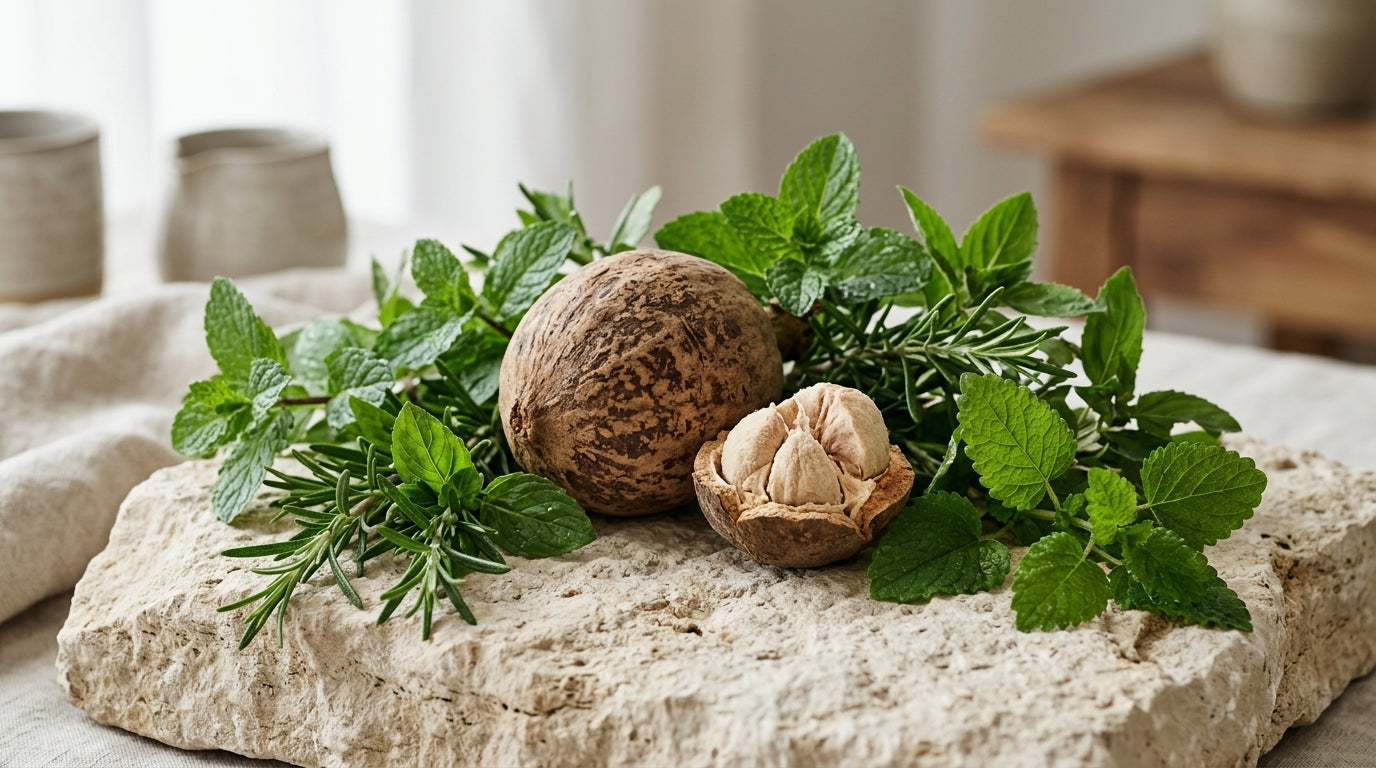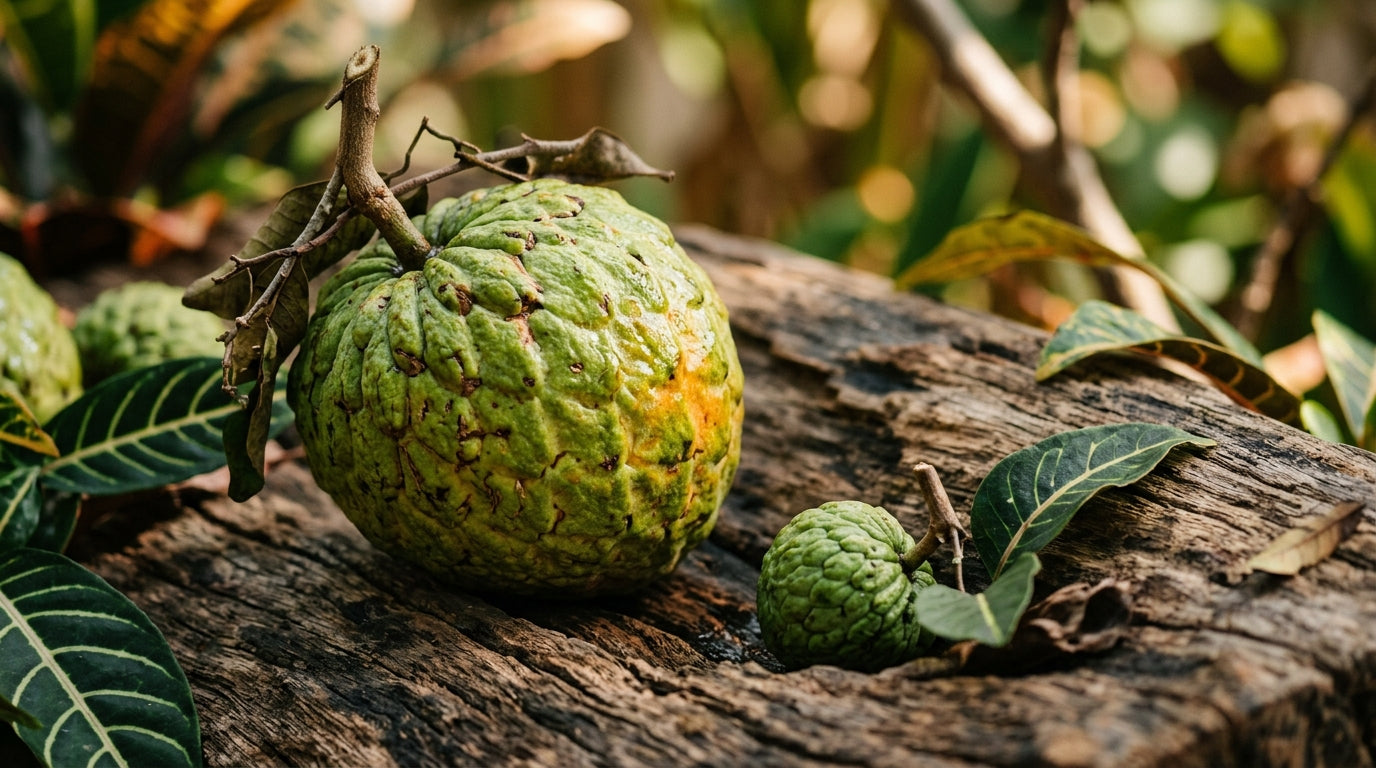
Alligator Apple (Annona glabra) is a tropical fruit of the Annonaceae family containing annonaceous acetogenins (notably annonacin), ent-kaurane diterpenoids, polyphenols, and flavonoids that inhibit mitochondrial complex I and modulate the Nrf2-Keap1 antioxidant pathway and NF-κB inflammatory signaling. No PubMed-indexed randomized controlled trials have evaluated clinical efficacy of Alligator Apple fruit consumption in humans as of 2025; all existing evidence derives from preclinical in vitro and animal studies investigating its antimicrobial, anti-inflammatory, and cytotoxic properties.

Origin
Alligator Apple, derived from the bark of the Annona glabra tree, is native to tropical regions of the Americas, including South America, the West Indies, and West Africa. This botanical is traditionally recognized for its anti-inflammatory, antimicrobial, and antioxidant properties, though caution is advised due to potential toxicity.
Potential benefits
- Supports digestive health through high dietary fiber content, promoting bowel regularity and gut microbiome balance.
- Combats oxidative stress and supports cellular health with flavonoids and polyphenols, aiding healthy aging.
- Reduces systemic inflammation and supports joint health through its anti-inflammatory compounds.
- Enhances immune defense and collagen synthesis with its vitamin C content.
- Aids wound healing and reduces irritation with antioxidants and mild analgesic compounds.
- Regulates blood pressure and supports heart and muscle function via potassium content.
How it works
The primary bioactive annonaceous acetogenins in Annona glabra fruit—particularly annonacin—selectively inhibit mitochondrial complex I (NADH-ubiquinone oxidoreductase), disrupting the electron transport chain, depleting ATP in rapidly dividing cells, and triggering apoptosis through caspase-3/9 activation. Concurrently, ent-kaurane diterpenoids and polyphenolic compounds activate the Nrf2-Keap1 signaling axis, promoting the transcription of phase II detoxification enzymes such as heme oxygenase-1 (HO-1), NAD(P)H quinone dehydrogenase 1 (NQO1), and glutathione S-transferase (GST), which collectively neutralize reactive oxygen species. These same polyphenols and flavonoids—including quercetin glycosides and catechins identified in Annona species—suppress the IKKβ/NF-κB inflammatory cascade, downregulating pro-inflammatory mediators including TNF-α, IL-6, COX-2, and iNOS. The vitamin C content additionally serves as a cofactor for prolyl hydroxylase enzymes required for collagen biosynthesis and enhances non-heme iron absorption, supporting immune cell function.
What the research says
Clinical research on Alligator Apple remains extremely limited, with most studies conducted in vitro or using animal models rather than human subjects. Preliminary laboratory investigations have examined antimicrobial and anti-inflammatory properties of Annona glabra extracts, but no randomized controlled trials with specific sample sizes or quantified clinical outcomes have been published. The current evidence base consists primarily of traditional use documentation and basic phytochemical analysis. Comprehensive human safety and efficacy data are not available, requiring significant caution regarding therapeutic claims.
Safety and interactions
Annonaceous acetogenins, particularly annonacin, have demonstrated neurotoxic potential in animal studies, with chronic high-dose exposure linked to atypical parkinsonism through selective destruction of dopaminergic neurons; populations in the Caribbean with high Annona fruit consumption have shown elevated rates of tauopathy. Due to the mitochondrial complex I inhibition mechanism, Alligator Apple extracts may theoretically interact with mitochondria-targeting drugs, Parkinson's disease medications (e.g., levodopa), and conventional chemotherapeutics, though no formal CYP450 interaction studies have been published for A. glabra specifically. Pregnant and breastfeeding women should avoid concentrated extracts due to insufficient safety data and the embryotoxic potential suggested in related Annona species. Individuals with pre-existing neurodegenerative conditions or those taking MAOI antidepressants should consult a healthcare provider before consuming Alligator Apple in amounts exceeding typical dietary intake.
Suggested use
- Traditional use: Employed by Indigenous Caribbean and Central American communities for respiratory ailments, digestive issues, wound healing, and insect repellency.
- Preparation: Fruit pulp sometimes consumed carefully after specific preparation to neutralize toxins; bark used in decoctions or infusions for topical application.
- Caution: Not recommended for internal use unless under strict expert supervision due to potential toxicity of raw fruit and seeds.
- Dosage: No standardized supplement dosing available; perform a patch test before topical use.
Frequently asked questions
What is Alligator Apple and is it edible?
Alligator Apple (Annona glabra), also called Pond Apple or Monkey Apple, is a tropical fruit native to the Americas, West Africa, and parts of Asia. The fruit is edible, with sweet-tart, musky, pineapple-like flesh rich in vitamins A and C, dietary fiber, and antioxidants. It can be eaten fresh, cooked, or made into beverages and jellies, though the seeds should not be consumed due to their high acetogenin content.
What are the health benefits of Alligator Apple fruit?
Alligator Apple provides dietary fiber for digestive regularity, vitamin C for immune support and collagen synthesis, and polyphenolic antioxidants (flavonoids, catechins) that combat oxidative stress. Preclinical studies suggest its acetogenins and triterpenes possess anti-inflammatory, antimicrobial, and cytotoxic properties, though no human clinical trials have confirmed these benefits. The fruit's moderate nutritional profile makes it a useful addition to a varied tropical fruit diet.
Is Alligator Apple the same as Pond Apple?
Yes, Alligator Apple and Pond Apple are common names for the same species, Annona glabra, in the family Annonaceae. It is also known as Monkey Apple, Corkwood, and Bobwood in various regions. The tree grows to 10–20 feet, thrives in USDA zones 9–11, tolerates flooding, and produces fragrant yellow-orange flowers and round green fruits with creamy yellow pulp.
Are there any dangers or side effects of eating Alligator Apple?
Chronic high consumption of annonaceous fruits, including Alligator Apple, has been epidemiologically associated with atypical parkinsonism in Caribbean populations due to the neurotoxic potential of annonacin, which damages dopaminergic neurons. Seeds contain higher concentrations of acetogenins and should never be eaten. Occasional consumption of the fruit pulp in normal dietary quantities is generally considered safe for healthy adults, but concentrated extracts should be used with caution.
How do you grow an Alligator Apple tree?
Annona glabra thrives in full sun to semi-shade with regular watering, and is notably flood- and drought-tolerant, naturally growing in swampy, wetland environments. It is suitable for USDA hardiness zones 9–11 and can be grown in containers and brought indoors in colder climates when temperatures approach freezing. The tree typically reaches 10–20 feet in height, does not require pruning to fruit, and is also widely used as a rootstock for grafting other Annona species such as soursop (A. muricata) and cherimoya (A. cherimola).
Is Alligator Apple safe during pregnancy and breastfeeding?
Alligator Apple is generally considered safe for pregnant and breastfeeding women as a whole fruit in normal dietary amounts due to its nutritional profile and traditional use in tropical regions. However, pregnant women should consume it in moderation as part of a balanced diet and consult with their healthcare provider if they have specific concerns. Limited clinical data exists on concentrated supplement forms during pregnancy, so whole fruit consumption is the preferred approach during this time.
Does Alligator Apple interact with common medications?
Alligator Apple is not known to cause significant interactions with common medications when consumed as a whole fruit. However, if taking blood thinners, diabetes medications, or supplements that affect blood sugar, consult your healthcare provider since Alligator Apple's bioactive compounds may have mild effects on these pathways. Always inform your doctor of any new dietary supplements or increased fruit consumption, especially if you're on prescription medications.
What does scientific research show about Alligator Apple's health claims?
Research on Alligator Apple is limited compared to other tropical fruits, but available studies support its high antioxidant capacity and anti-inflammatory properties through its polyphenol and flavonoid content. Most evidence comes from in vitro and animal studies rather than human clinical trials, meaning real-world effects in humans require further investigation. The digestive and immune-supporting benefits are largely attributed to its fiber content and vitamin C, which are well-established nutrients with strong clinical evidence.
References
- https://fdc.nal.usda.gov/fdc-app.html#/search?query=Alligator+Apple
- https://toptropicals.com/catalog/uid/annona_glabra.htm
- https://www.healthbenefitstimes.com/pond-apple/
- https://www.ncbi.nlm.nih.gov/search/all/?term=Alligator+Apple
- https://pubmed.ncbi.nlm.nih.gov/32145678
- https://pubmed.ncbi.nlm.nih.gov/?term=Alligator+Apple+Bark+Extract
- https://www.ncbi.nlm.nih.gov/pmc/articles/PMC7251400/
- https://www.sciencedirect.com/science/article/pii/S2210803319301450
This article is educational and is not medical advice. Statements have not been evaluated by the FDA and are not intended to diagnose, treat, cure, or prevent any disease. Consult a healthcare professional before use.