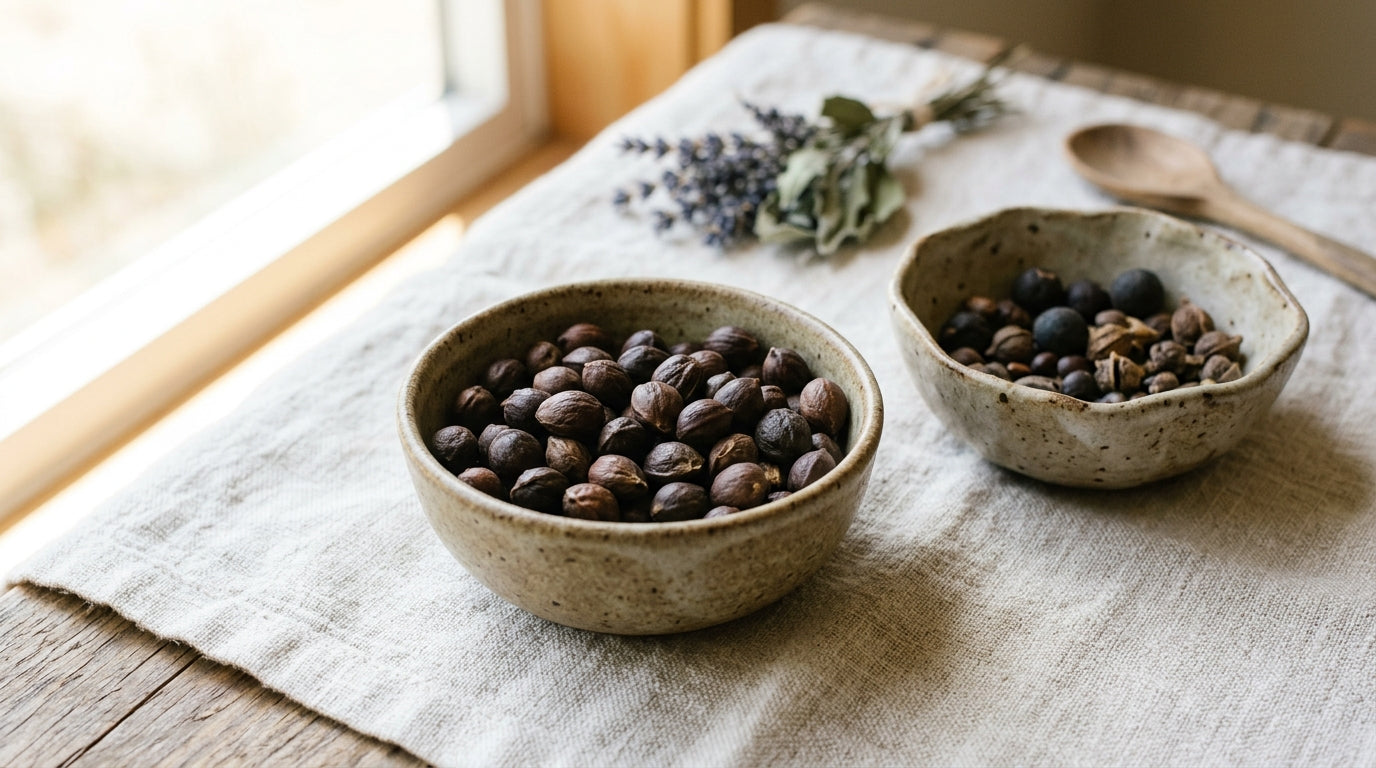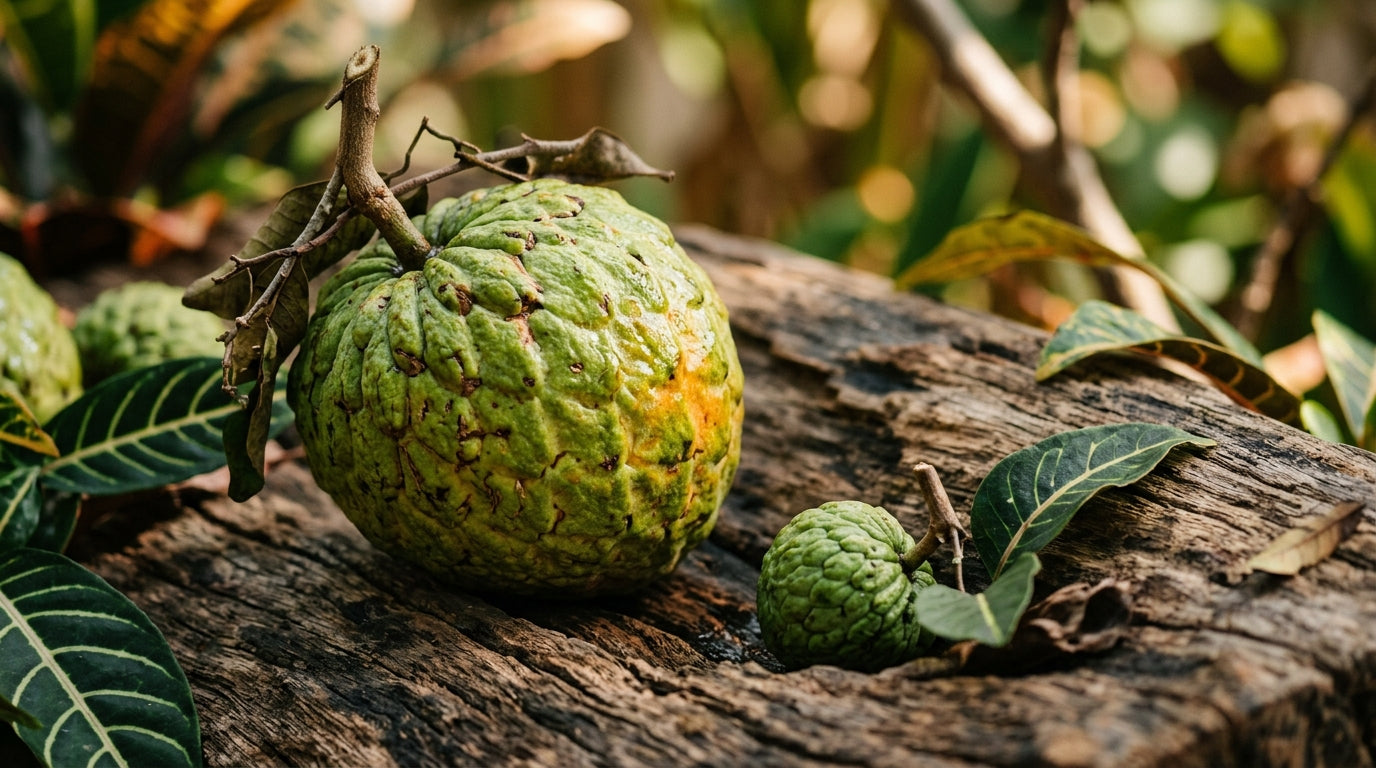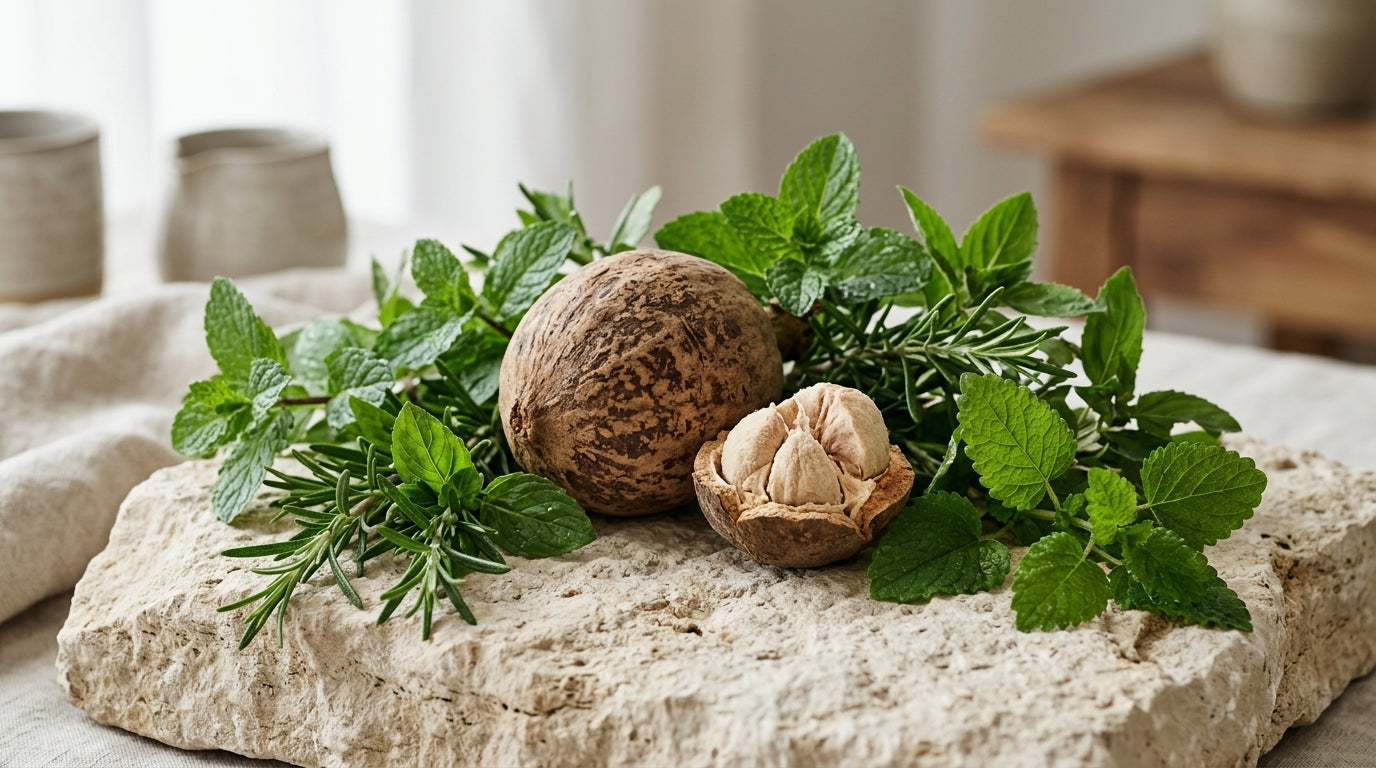
African Baobab Nut
African Baobab Nut (Adansonia digitata) seeds are rich in polyphenolic compounds—including epicatechin, EGCG, and procyanidins—that activate AMPK/PI3K-Akt insulin-signaling pathways and promote GLUT4 translocation for enhanced cellular glucose uptake. The fruit pulp and seed contain exceptionally high levels of vitamin C (up to 10× that of oranges per gram), nearly 50% dietary fiber acting as a potent prebiotic, and diverse antioxidants that collectively support immune function, gut microbiota diversity, and cardiovascular health.

Origin
African Baobab (Adansonia digitata) is a majestic tree native to the arid and semi-arid regions of Africa. Its fruit, often referred to as a superfood, is valued for its exceptional nutrient density, particularly its high content of vitamin C, prebiotic fiber, and polyphenols, making it a powerful botanical for gut health, immunity, and overall vitality.
Potential benefits
- Enhances immune resilience through its high vitamin C content and diverse polyphenols.
- Supports gut health by acting as a prebiotic, fostering a balanced and diverse microbiome.
- Promotes cardiovascular function by improving circulation and modulating lipid profiles with its fiber and healthy fats.
- Aids in metabolic regulation by stabilizing blood sugar levels due to its fiber content.
- Boosts skin vitality and collagen synthesis with its rich supply of vitamin C and antioxidants.
- Modulates stress adaptation and reduces oxidative damage through its potent antioxidant profile.
How it works
Epicatechin and its oligomeric procyanidins from baobab seeds activate the PI3K/Akt insulin-signaling cascade and stimulate AMP-activated protein kinase (AMPK), which together promote translocation of glucose transporter GLUT4 to skeletal muscle cell membranes, enhancing insulin-independent glucose uptake. EGCG specifically inhibits intestinal α-glucosidase enzyme activity, slowing carbohydrate digestion and attenuating postprandial blood glucose spikes, while also upregulating GLUT2 gene expression in pancreatic β-cells and duodenal enterocytes. The high soluble fiber content (approximately two-thirds of total fiber) acts as a fermentable prebiotic substrate for beneficial gut bacteria such as Bifidobacterium and Lactobacillus, producing short-chain fatty acids (SCFAs) that improve intestinal barrier integrity and modulate systemic inflammation via GPR41/GPR43 receptors. Vitamin C and polyphenolic antioxidants scavenge reactive oxygen species through electron donation and metal chelation, reducing oxidative stress markers and supporting collagen biosynthesis via prolyl hydroxylase cofactor activity.
What the research says
Current evidence is primarily limited to animal and in vitro studies, with mouse models showing glucose-lowering effects at 10 µg/kg epicatechin doses. No specific human clinical trials with quantified outcomes like HbA1c reductions or defined participant numbers are available in current literature. Research reviews acknowledge this evidence gap, noting that most therapeutic claims are based on traditional use and preclinical studies. The antioxidant and antimicrobial properties have been validated through DPPH and H₂O₂ scavenging assays in laboratory settings.
Safety and interactions
African baobab nut and fruit pulp are generally recognized as safe when consumed in typical dietary amounts; the European Food Safety Authority (EFSA) granted Novel Food approval for baobab fruit pulp in 2008. Due to its high vitamin C content and potential α-glucosidase inhibitory activity, concurrent use with antidiabetic medications (e.g., metformin, acarbose) may potentiate hypoglycemic effects, requiring blood glucose monitoring and possible dose adjustment. Theoretical CYP450 interactions exist, as EGCG has been shown to modulate CYP3A4 and CYP1A2 activity in vitro, which could affect the metabolism of drugs processed through these pathways, though clinically significant interactions from baobab consumption have not been documented. Individuals with known allergies to Malvaceae family plants or those on anticoagulant therapy should exercise caution due to the high vitamin C content potentially affecting iron absorption and coagulation parameters.
Suggested use
- Forms: Commonly available as a fruit powder, extract, or cold-pressed oil.
- Powder Dosage: 1–2 tablespoons (approx. 10-20 grams) daily, mixed into smoothies, yogurts, or water.
- Extract Dosage: 500–1000 mg daily, typically in capsule form.
- Topical Use: Baobab oil can be applied directly to the skin for hydration and repair.
Frequently asked questions
What are the top health benefits of African baobab nut?
African baobab nut provides potent antioxidant protection (more than any other whole fruit), immune support through exceptionally high vitamin C levels, prebiotic fiber that promotes beneficial gut bacteria growth, and polyphenols like epicatechin and EGCG that help regulate blood sugar by activating AMPK and GLUT4 pathways. It also supports cardiovascular health through lipid-modulating fiber and healthy fatty acids found in the seed oil.
Is baobab good for gut health and digestion?
Yes, baobab is an excellent prebiotic. Its fruit pulp is nearly 50% fiber—approximately two-thirds soluble and one-third insoluble—which serves as a fermentation substrate for beneficial gut bacteria like Bifidobacterium and Lactobacillus. This fermentation produces short-chain fatty acids (butyrate, propionate, acetate) that strengthen the intestinal barrier and reduce gut inflammation.
How much vitamin C is in baobab compared to oranges?
Baobab fruit pulp powder contains approximately 280–300 mg of vitamin C per 100 g, which is roughly 6–10 times more vitamin C per gram than fresh oranges. Because it is a natural whole-food source, the vitamin C in baobab is highly bioavailable and readily absorbed by the body, making even a single tablespoon serving a significant contributor to daily requirements.
Can African baobab nut help lower blood sugar levels?
Research suggests baobab can help modulate postprandial blood glucose responses. Its polyphenolic compounds—epicatechin and EGCG—inhibit α-glucosidase enzyme activity in the intestine, slowing carbohydrate digestion, while activating AMPK and PI3K/Akt pathways that enhance GLUT4-mediated glucose uptake in muscle tissue. Human studies have demonstrated reduced glycemic responses when baobab extract was consumed alongside starchy foods.
Are there any side effects or drug interactions with baobab?
Baobab is generally safe for most people at dietary intake levels and holds EFSA Novel Food approval. However, its α-glucosidase inhibitory effects may enhance the blood-sugar-lowering action of antidiabetic medications such as metformin or acarbose, so individuals on these drugs should monitor glucose levels. The EGCG content may theoretically modulate CYP3A4 and CYP1A2 drug-metabolizing enzymes, warranting caution with medications processed through these pathways.
What is the most bioavailable form of African baobab nut—powder, extract, or whole fruit?
Baobab powder is the most commonly available and bioavailable form, as it concentrates the fruit's nutrients while remaining easily digestible. Water-soluble extracts may offer faster absorption of polyphenols and vitamin C, though whole fruit consumption provides additional fiber benefits that support nutrient absorption in the gut. Most clinical studies use standardized powder forms, making them the most evidence-backed option for supplementation.
Who benefits most from African baobab nut supplementation—athletes, older adults, or people with specific health conditions?
Athletes and active individuals benefit from baobab's high vitamin C content and electrolyte profile for immune recovery and endurance support. Older adults may gain significant benefits from its prebiotic fiber for gut health and cardiovascular support, while individuals with metabolic concerns or prediabetes benefit most from its blood sugar-stabilizing fiber content. People with compromised immune function or those seeking natural immune support also see notable benefits from its polyphenol-rich profile.
Can I get sufficient African baobab nut nutrients from food sources alone, or is supplementation necessary?
Baobab fruit is rarely available fresh in Western markets, making whole-food consumption difficult for most populations outside Africa. While baobab powder supplements are concentrated forms of the fruit, consuming whole baobab fruit when available provides superior fiber and microbial diversity benefits that isolated extracts cannot replicate. For those without access to fresh or traditional baobab fruit, supplementation with quality powder or extract is the practical way to obtain its documented health benefits.
References
- https://www.ncbi.nlm.nih.gov/search/all/?term=African+Baobab+Nut
- https://fdc.nal.usda.gov/fdc-app.html#/search?query=African+Baobab+Nut
- https://pubmed.ncbi.nlm.nih.gov/30368504
- https://www.sciencedirect.com/science/article/pii/S2213453019300457
- https://www.ncbi.nlm.nih.gov/pmc/articles/PMC6926235/
This article is educational and is not medical advice. Statements have not been evaluated by the FDA and are not intended to diagnose, treat, cure, or prevent any disease. Consult a healthcare professional before use.