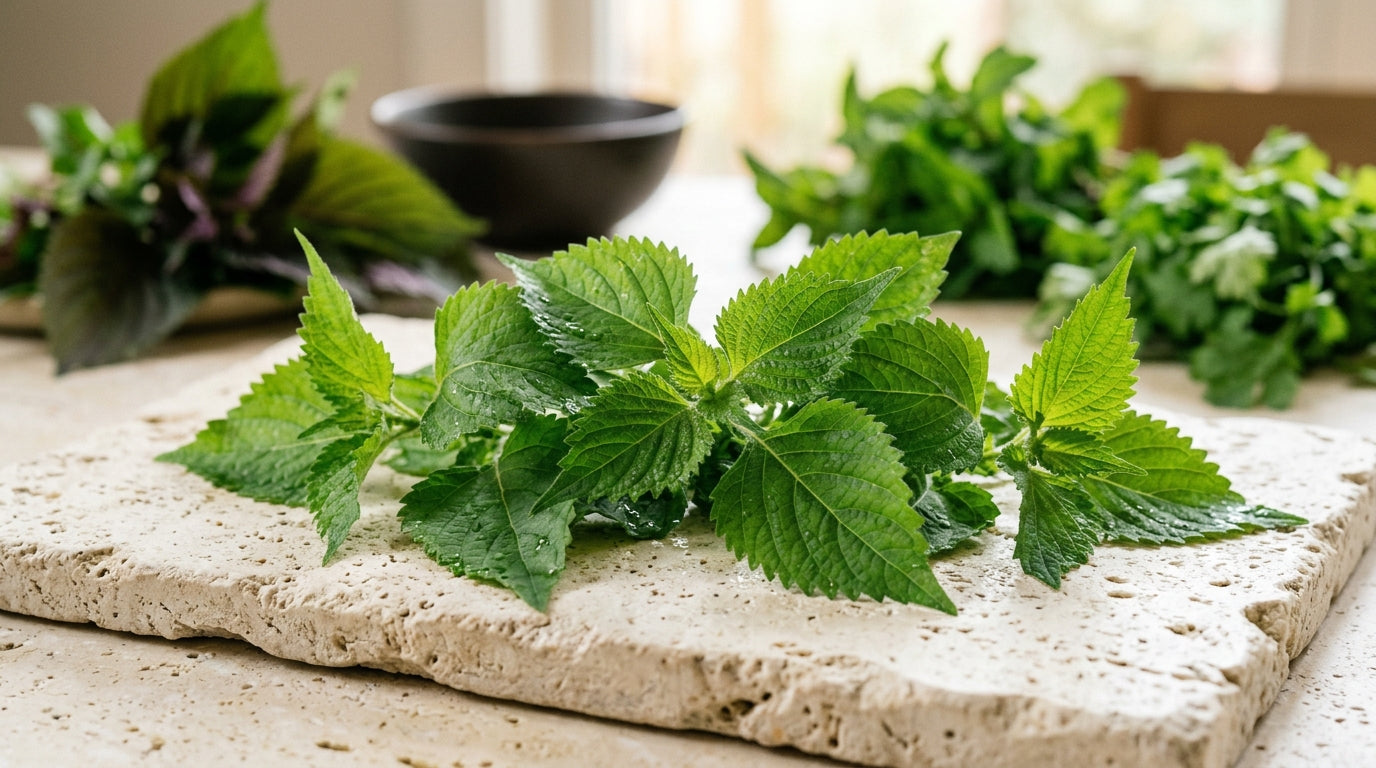
Violet Tamarillo (Solanum betaceum) contains anthocyanins and chlorogenic acid that regulate glucose metabolism through enhanced insulin sensitivity and satiety signaling. The fruit's polyphenolic compounds demonstrate anti-inflammatory activity by inhibiting cyclooxygenase enzymes and reducing TNF-α and IL-1β cytokine production.

Origin
Violet Tamarillo, *Solanum betaceum*, is a distinctive fruit native to the Andean highlands of Ecuador, Peru, and Colombia. Known for its deep violet hue and unique flavor profile, it thrives in cool, high-altitude environments. This fruit is a rich source of anthocyanins, beta-carotene, and vitamin C, valued in functional nutrition for its support of blood sugar regulation, cardiovascular health, and eye health.
Potential benefits
- Supports blood sugar regulation by influencing glucose metabolism and promoting satiety.
- Enhances cardiovascular health through its antioxidant and potassium content, aiding blood pressure regulation.
- Promotes digestive detoxification with its dietary fiber, supporting gut regularity and cleansing.
- Protects eye health with lutein and beta-carotene, supporting visual acuity and reducing oxidative damage.
- Boosts skin radiance by providing vitamin C and antioxidants, contributing to collagen production and cellular protection.
- Provides potent antioxidant protection, neutralizing free radicals with its rich anthocyanin and polyphenol profile.
- Contributes to metabolic satiety, aiding in weight management and healthy eating patterns.
How it works
Chlorogenic acid and hydroxycinnamic acid compounds induce cellular apoptosis through mitochondrial-dependent pathways while modulating glucose metabolism. Anthocyanins and flavonoids inhibit pro-inflammatory enzymes including cyclooxygenase, reducing production of inflammatory mediators PGE-2, IL-1β, and TNF-α. Rosmarinic acid provides additional anticarcinogenic and antimicrobial effects through antioxidant mechanisms.
What the research says
Current evidence is limited to in vitro studies and phytochemical analyses, with no published human clinical trials available. Laboratory studies confirm significant anthocyanin and carotenoid content with demonstrated antioxidant capacity in cellular models. Animal studies suggest potential for glucose regulation and cardiovascular benefits, but human efficacy data is lacking. The evidence base requires controlled clinical trials to validate therapeutic claims.
Safety and interactions
Safety data for Violet Tamarillo is insufficient due to lack of clinical studies and formal toxicological assessment. As a member of the Solanaceae family, potential glycoalkaloid content may cause gastrointestinal irritation in sensitive individuals. Drug interactions are unknown and require medical supervision if consuming therapeutically alongside diabetes or cardiovascular medications. Pregnant and breastfeeding women should avoid therapeutic use due to insufficient safety data.
Suggested use
- Common forms: Fresh fruit, stewed, freeze-dried powder, or juice.
- Dosage (Fresh): 1 fruit daily.
- Dosage (Powder/Juice): 1–2 tablespoons/day of freeze-dried powder or juice.
- Traditional Use: Consumed fresh or stewed; used in digestive tonics, postpartum diets, and skin rituals (e.g., pulp for sun damage).
- Modern Applications: Antioxidant elixirs, gut fiber blends, fermented chutneys, and nutricosmetic beverages.
Frequently asked questions
How does Violet Tamarillo help regulate blood sugar levels?
Chlorogenic acid in Violet Tamarillo enhances glucose metabolism and insulin sensitivity while promoting satiety through hormonal signaling pathways. The fruit's fiber content also slows glucose absorption, helping maintain stable blood sugar levels.
What makes Violet Tamarillo different from regular tamarillo?
Violet Tamarillo contains higher concentrations of anthocyanins responsible for its deep purple color, which provide enhanced antioxidant capacity compared to red varieties. The violet cultivar demonstrates superior polyphenolic content in phytochemical analyses.
Can Violet Tamarillo improve heart health?
The fruit's potassium content supports blood pressure regulation while anthocyanins and flavonoids reduce cardiovascular inflammation by inhibiting inflammatory enzymes. However, human clinical trials are needed to confirm cardiovascular benefits.
Is Violet Tamarillo safe to eat daily?
While generally considered safe as a food, daily therapeutic consumption lacks safety data from clinical studies. As a Solanaceae family member, it may contain trace glycoalkaloids that could cause digestive issues in sensitive individuals.
What nutrients are found in Violet Tamarillo?
Violet Tamarillo contains anthocyanins, chlorogenic acid, rosmarinic acid, carotenoids including lutein and beta-carotene, plus potassium and dietary fiber. These bioactive compounds provide the fruit's therapeutic potential for metabolic and cardiovascular health.
Can Violet Tamarillo help with digestive health and detoxification?
Yes, Violet Tamarillo is rich in dietary fiber, which promotes regular bowel movements and supports gut health by feeding beneficial bacteria. The high fiber content aids in digestive detoxification by helping eliminate waste and supporting natural cleansing processes in the intestines. Regular consumption may help improve overall digestive comfort and maintain healthy gut flora.
Does Violet Tamarillo contain compounds that support eye health?
Yes, Violet Tamarillo contains lutein and beta-carotene, two powerful antioxidants specifically known for protecting eye health. These compounds help reduce oxidative stress in the eyes and support visual acuity by protecting the macula and lens from age-related damage. Including Violet Tamarillo in your diet may contribute to long-term eye health maintenance.
How does the antioxidant content in Violet Tamarillo compare to other tropical fruits?
Violet Tamarillo stands out among tropical fruits due to its particularly high antioxidant density, which helps combat oxidative stress throughout the body. Its deep purple color indicates elevated polyphenol content, a class of potent antioxidants that exceed levels found in many common fruits like passion fruit or regular tamarillos. This makes Violet Tamarillo especially valuable for supporting overall cellular health and reducing inflammation.
References
- https://www.ncbi.nlm.nih.gov/search/all/?term=Violet+Tamarillo
- https://fdc.nal.usda.gov/fdc-app.html#/search?query=Violet+Tamarillo
- https://www.sciencedirect.com/science/article/pii/S0308814613006631
- https://www.ncbi.nlm.nih.gov/pmc/articles/PMC7019936
- https://pubmed.ncbi.nlm.nih.gov/31809659
This article is educational and is not medical advice. Statements have not been evaluated by the FDA and are not intended to diagnose, treat, cure, or prevent any disease. Consult a healthcare professional before use.