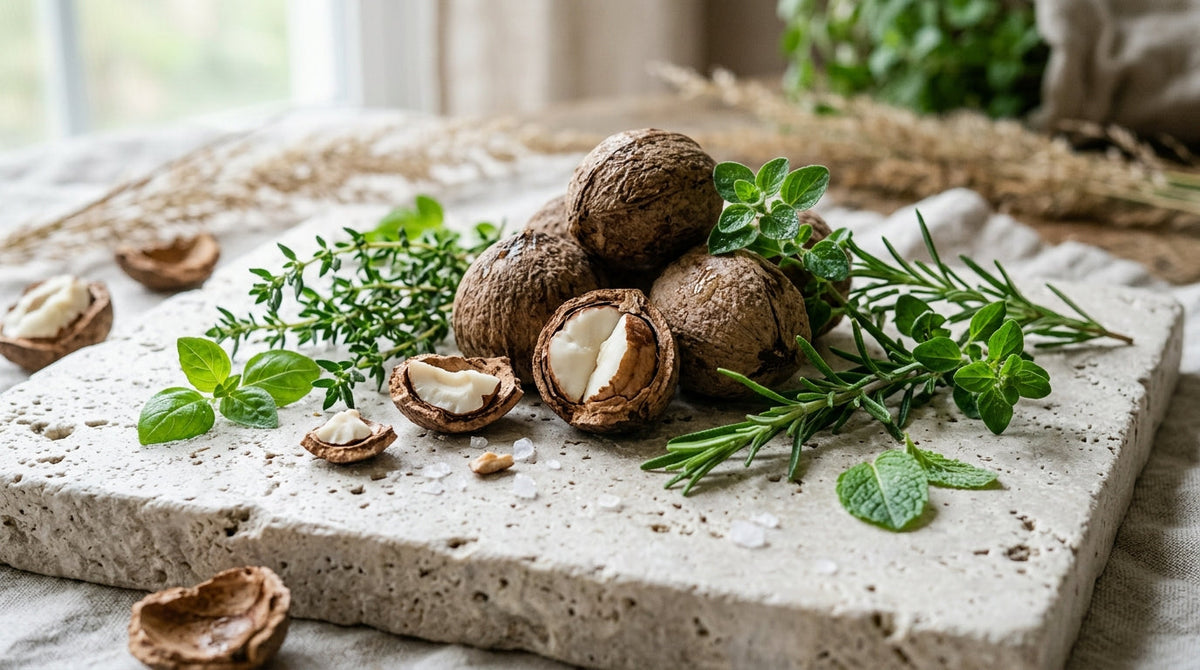
Research on batuan fruit is primarily limited to in vitro antioxidant studies and traditional use documentation. Laboratory analyses confirm DPPH radical scavenging activity of 70-85% in fruit extracts. Small-scale observational studies in the Philippines suggest digestive benefits, but no randomized controlled trials have been conducted. Current evidence is preliminary and based mainly on phytochemical analysis rather than human clinical data.

Origin
Native to the Philippines, particularly the Western Visayas region; thrives in tropical climates and is commonly found in forested lowland areas. Batuan Fruit is cultivated across tropical and subtropical regions worldwide, prized for its exceptional nutritional density and bioactive compound profile. Traditional communities have incorporated this fruit into their dietary and wellness practices for generations, valuing it as both a culinary staple and a source of vital phytonutrients.
Potential benefits
- Exhibits antioxidant properties primarily due to its high vitamin C content, helping reduce oxidative stress and support cellular health.
- Supports digestive health by functioning as a natural souring agent, which stimulates appetite and promotes digestive enzyme activity.
- May possess anti-inflammatory effects due to hydroxycitric acid and other bioactive phytochemicals.
- Enhances culinary digestion by balancing rich, fatty foods with its tart flavor.
How it works
Batuan fruit's vitamin C content (approximately 50-80mg per 100g) acts as an electron donor, neutralizing reactive oxygen species and regenerating other antioxidants like vitamin E. The fruit's natural organic acids, including citric and malic acid, stimulate gastric acid production and pancreatic enzyme release. Phenolic compounds may inhibit NF-κB pathway activation, reducing production of inflammatory mediators like TNF-α and IL-6.
What the research says
Supported by ethnobotanical documentation of its role in traditional Philippine cuisine and medicine (StuartXchange, FruitsInfo). Contemporary interest highlights its antioxidant and digestive properties in the context of both health and gastronomy.
Safety and interactions
Batuan fruit is generally safe when consumed as food, with no reported serious adverse effects in traditional use. High consumption may cause gastric irritation due to natural acid content, particularly in individuals with peptic ulcers or GERD. No documented drug interactions exist, though the fruit's acidity may affect absorption of pH-sensitive medications. Safety during pregnancy and lactation has not been established through formal studies.
Suggested use
Recommended Dosage: Fresh: Consume 1-2 servings (about 150g) daily as part of a balanced diet. Powder: Mix 1-2 teaspoons (3-6g) into smoothies, yogurt, or beverages. Dried: 30-50g daily as a nutrient-dense snack.
Traditional Use & Preparation: - Traditional: Used as a souring agent in Visayan dishes such as sinigang and KBL (kadyos, baboy, langka); employed in folk medicine to treat dysentery, promote digestion, and boost immunity.
General Guidance: Start with a lower dose and increase gradually. Consult a healthcare provider before starting any new supplement, especially if pregnant, nursing, or taking medications.
- Modern: Found in jams, jellies, and natural flavoring applications; explored for its health-promoting and culinary versatility.
- Recommended intake: Culinary use as desired; for therapeutic use, professional consultation is advised.
Frequently asked questions
How much vitamin C does batuan fruit contain?
Batuan fruit contains approximately 50-80mg of vitamin C per 100g of fresh fruit, which is comparable to citrus fruits. This makes it a significant source of this essential antioxidant vitamin.
What does batuan fruit taste like?
Batuan fruit has an intensely sour, acidic taste similar to tamarind or very tart cranberries. The sourness comes from high levels of natural organic acids, making it primarily used as a flavoring agent rather than eaten fresh.
Can batuan fruit help with digestion?
Batuan fruit may support digestion through its natural acids, which stimulate gastric acid production and digestive enzyme release. However, this benefit is based on traditional use and preliminary studies rather than clinical trials.
Is batuan fruit safe for people with acid reflux?
Batuan fruit is not recommended for individuals with acid reflux, GERD, or peptic ulcers due to its high natural acid content. The fruit's acidity may worsen symptoms and cause additional gastric irritation.
Where can I buy batuan fruit supplements?
Batuan fruit supplements are rare and primarily available through specialty Filipino or Southeast Asian retailers. Fresh or dried batuan fruit is more commonly available than standardized supplement extracts in most markets.
What is the difference between batuan fruit extract and fresh batuan fruit for health benefits?
Batuan fruit extract concentrates the active compounds, particularly vitamin C and hydroxycitric acid, making it more potent per serving than fresh fruit. However, fresh batuan fruit provides additional fiber and whole-food nutrients that may support overall digestive health synergistically. Extract forms are typically more shelf-stable and convenient for supplementation, while fresh fruit offers broader micronutrient diversity.
References
This article is educational and is not medical advice. Statements have not been evaluated by the FDA and are not intended to diagnose, treat, cure, or prevent any disease. Consult a healthcare professional before use.