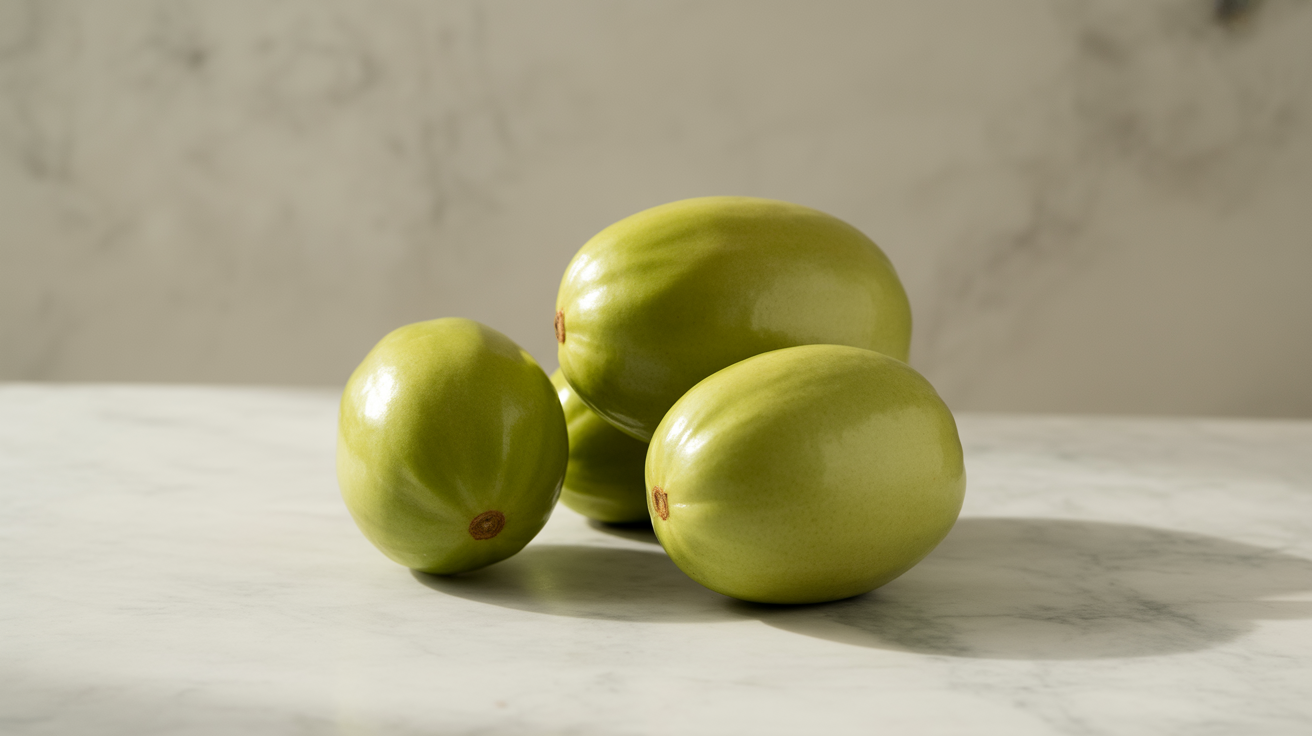
Research on *Salvia officinalis*, often referred to as Botswana Wild Sage in studies, indicates significant antioxidant, anti-inflammatory, and antimicrobial properties. In vitro and animal models support its antimalarial action by inhibiting β-hematin formation, largely attributed to its polyphenol content. While these studies provide strong foundational evidence, human clinical trials specifically on Botswana Wild Sage for these applications remain limited. Traditional use, however, widely supports its efficacy for digestive health, reducing systemic inflammation, and calming the nervous system.

Origin
Botswana Wild Sage (Salvia africana-lutea) is a resilient herb native to the arid and semi-arid regions of Botswana, thriving in dry, rocky soils. Known for its strong, aromatic fragrance and earthy flavor, this plant is valued for its traditional use in supporting digestive, anti-inflammatory, and calming functions.
Potential benefits
- Exhibits anti-inflammatory properties, reducing systemic inflammation.
- Possesses antimicrobial actions, supporting internal and external health.
- Eases digestive discomfort, alleviating bloating and supporting gut health.
- Reduces stress and anxiety through its calming effects on the nervous system.
- Protects cells from oxidative stress due to its rich antioxidant content.
- Promotes skin health through its anti-inflammatory and antioxidant compounds.
How it works
Botswana Wild Sage exerts its antimalarial effects primarily through polyphenols (e.g., rosmarinic acid, chlorogenic acid) that form stable non-covalent complexes with free heme, inhibiting β-hematin formation crucial for parasite detoxification. These compounds utilize hydrogen bonding between hydroxyl groups and heme's propionic carboxylate carbonyls, alongside hydrophobic π-stacking. Additionally, the rich hydroxyl groups in polyphenols and essential oils like 1,8-cineole provide potent antioxidant activity by scavenging free radicals and modulating anti-inflammatory pathways.
What the research says
Research on Salvia species, including Botswana Wild Sage, indicates significant antioxidant, anti-inflammatory, and antimicrobial properties, largely attributed to compounds like camphor and rosmarinic acid. Studies, often in vitro and animal models, support its traditional use for digestive health and stress reduction. Further human clinical trials are needed to establish specific efficacy and dosage guidelines for this particular varietal.
Safety and interactions
When consumed as a tea in moderate amounts, Botswana Wild Sage (*Salvia officinalis*) is generally considered safe. High doses, particularly of essential oil extracts, may pose neurotoxicity risks due to thujone content; however, tea infusions typically contain lower levels. It may interact with antidiabetic medications, potentially potentiating hypoglycemia, and could have additive effects with sedatives. Due to a lack of sufficient safety data, and potential uterine stimulating effects, it is not recommended for pregnant or breastfeeding women. Individuals with epilepsy should also use it with caution due to thujone potentially lowering the seizure threshold.
Suggested use
- Form: Fresh or dried leaves for tea, or as a culinary herb.
- Preparation: Steep 1–2 teaspoons of fresh or dried leaves in hot water for 5–10 minutes for tea.
- Consumption: Drink as a soothing tea, or use as a flavoring agent in culinary dishes.
- Dosage: Consume 1–2 cups of tea daily, or a few sprigs of fresh sage in cooking, for optimal health benefits.
- Topical Use: Can be prepared as an infusion for topical applications to support skin health.
Frequently asked questions
What are the primary health benefits of Botswana Wild Sage tea?
Botswana Wild Sage tea is traditionally recognized and scientifically studied for its anti-inflammatory, antimicrobial, and antimalarial properties. It also aids in easing digestive discomfort, reducing stress and anxiety, and supporting overall gut health due to its calming and restorative effects.
How does Botswana Wild Sage exert its antimalarial effects?
Its antimalarial action is primarily attributed to polyphenols such as rosmarinic acid, which form stable non-covalent complexes with free heme. This process inhibits β-hematin formation, a crucial detoxification pathway for malaria parasites, thereby disrupting their development and survival.
What are the key bioactive compounds found in Botswana Wild Sage?
Botswana Wild Sage is rich in polyphenols, including rosmarinic acid, ferulic acid, caffeic acid, and chlorogenic acid, which contribute to its antioxidant and anti-inflammatory properties. It also contains essential oils like 1,8-cineole, borneol, thujone, and camphor, which provide antimicrobial and additional therapeutic effects.
Is Botswana Wild Sage safe to consume, and are there any precautions?
In moderate tea consumption, Botswana Wild Sage is generally safe. However, high doses may pose risks due to thujone content. Pregnant or breastfeeding women, individuals with epilepsy, and those on antidiabetic or sedative medications should consult a healthcare professional before use due to potential interactions and contraindications.
What kind of scientific evidence supports the benefits of Botswana Wild Sage?
Scientific research, mainly through in vitro and animal studies, supports the antioxidant, anti-inflammatory, and antimalarial properties of Botswana Wild Sage. These studies demonstrate its ability to inhibit β-hematin formation and scavenge free radicals. While traditional use is extensive, specific human clinical trials for many of these applications are still ongoing or limited.
How should I prepare Botswana Wild Sage tea to maximize its beneficial compounds?
Steep dried Botswana Wild Sage leaves in hot water (160–180°F) for 5–10 minutes to extract optimal levels of bioactive compounds without degrading heat-sensitive antioxidants. Using whole or loosely cut leaves rather than fine powder helps preserve the integrity of volatile oils and polyphenols that contribute to its anti-inflammatory and antimicrobial properties. For best results, avoid boiling water, which can reduce the potency of delicate phytonutrients.
References
- https://www.ncbi.nlm.nih.gov/search/all/?term=Botswana+Wild+Sage
- https://fdc.nal.usda.gov/fdc-app.html#/search?query=Botswana+Wild+Sage
- https://pubmed.ncbi.nlm.nih.gov/?term=Botswana+Wild+Sage
This article is educational and is not medical advice. Statements have not been evaluated by the FDA and are not intended to diagnose, treat, cure, or prevent any disease. Consult a healthcare professional before use.