Current research on kapok seed is limited to in vitro laboratory studies and phytochemical analyses, with no human clinical trials available. Laboratory studies demonstrate hydroxyl radical scavenging activity of 40.5% for raw seeds and 60.3% for germinated seeds (0.1 mL extract), compared to 75.6% for synthetic antioxidant BHT at higher concentrations. While promising for cardiovascular and antioxidant applications based on its fatty acid profile and tocopherol content, clinical evidence in humans is lacking. Further human trials are essential to establish therapeutic efficacy and optimal dosing protocols.

Origin
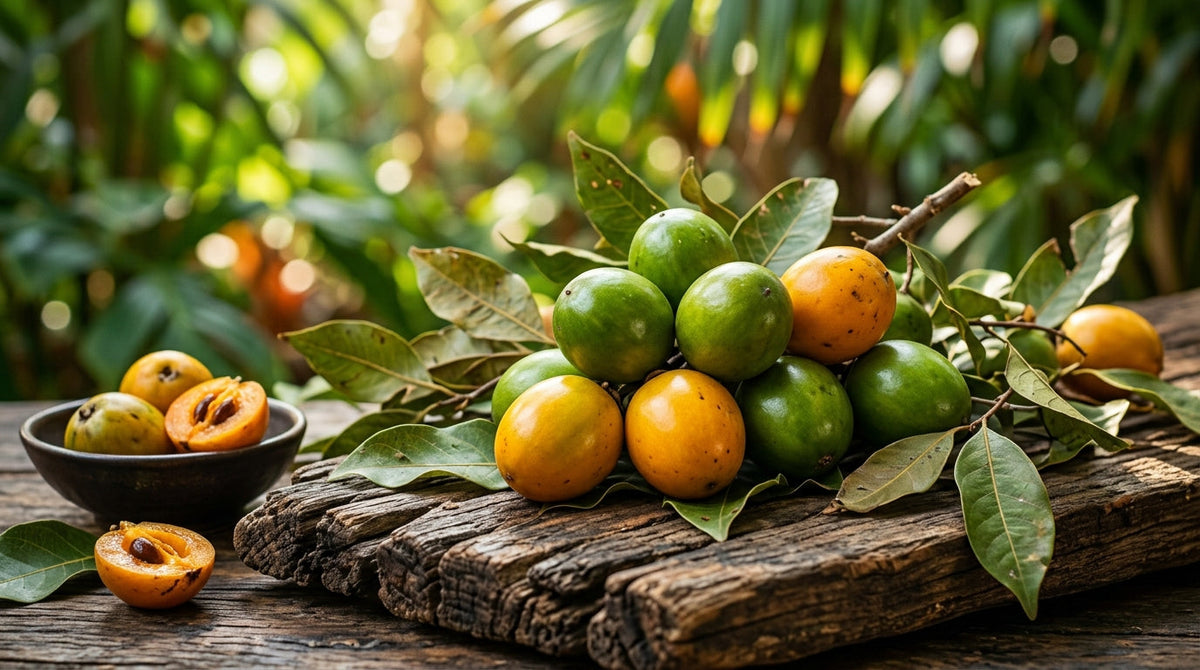
Ceiba pentandra, commonly known as Kapok, is a majestic tropical tree native to Central and South America, West Africa, and Southeast Asia. Thriving in humid rainforests, its seeds are housed in large pods and are rich in oil and nutrients. Revered in various cultures as sacred, symbolizing protection and abundance, Kapok seeds have been utilized for centuries in traditional medicine and culinary applications, making them a valuable source of functional nutrition.
Potential benefits
- Supports cardiovascular health: through healthy fats (linoleic, oleic acids) and phytosterols, which regulate cholesterol and improve circulation.
- Provides potent antioxidant: protection via tocopherols (Vitamin E), reducing oxidative stress and supporting cellular defense.
- Aids digestive health: due to its dietary fiber content, promoting bowel regularity and gut microbiome balance.
- Strengthens immune resilience: by reducing inflammation and enhancing cellular defense.
- Supports muscle function: and energy metabolism through its protein-rich profile.
- Exhibits neuroprotective effects,: supporting cognitive function and reducing neuroinflammation.
- Contributes to bone: health, muscle relaxation, and cardiovascular function through essential minerals like magnesium and potassium.
How it works
Kapok seed's bioactive compounds, particularly alpha-tocopherol (91 mg/kg) and delta-tocopherol (5.52 mg/kg), act as antioxidants by donating hydrogen atoms from hydroxyl groups to neutralize free radicals. Phenolic compounds and flavonoids prevent lipid peroxidation through electron donation, while phytosterols help regulate cholesterol metabolism. The dietary fiber content promotes digestive health by supporting beneficial gut microbiota and improving bowel regularity.
What the research says
Scientific research supports Kapok seed's cardiovascular and antioxidant properties, highlighting its rich content of healthy fats and tocopherols. Studies also investigate its protein composition and metabolic health benefits, alongside its cognitive and immune-supportive potential. While promising, further human clinical trials are needed to fully establish its therapeutic efficacy.
Safety and interactions
Kapok seeds contain anti-nutritional factors including trypsin inhibitors and phytates, which may interfere with protein digestion and mineral absorption when consumed in large quantities. No specific drug interactions or contraindications have been documented, though comprehensive safety studies in humans are lacking. Traditional uses as feed additives suggest relatively low acute toxicity, but long-term safety data is unavailable. Pregnant and breastfeeding women should avoid supplemental use due to insufficient safety data, and individuals with digestive sensitivities should exercise caution.
Suggested use
- Common Forms: Whole roasted seeds, ground paste, cold-pressed oil, protein powders.
- Traditional Use: Roasted and consumed as snacks, ground into pastes for culinary use, oil used for cooking and traditional medicines (topical and internal) in West African and Southeast Asian cultures.
- Modern Applications: Incorporated into plant-based protein powders, energy bars, functional snacks, and cosmetic formulations (oil).
- Dosage: 1–2 tablespoons (15–30 ml) of kapok seed oil daily for cardiovascular and skin health support.
Frequently asked questions
What is the nutritional composition of kapok seeds?
Kapok seeds contain 20-35% protein, 24-35% oil rich in linoleic and oleic acids, and 20-26% crude fiber. They also provide significant amounts of tocopherols, with alpha-tocopherol at 91 mg/kg and various phenolic compounds that contribute to their antioxidant properties.
How do kapok seeds compare to other antioxidant sources?
Laboratory studies show kapok seed extracts demonstrate 40.5-60.3% hydroxyl radical scavenging activity, which is lower than synthetic antioxidants like BHT (75.6%) at equivalent concentrations. However, germinated kapok seeds show enhanced antioxidant activity compared to raw seeds due to increased phenolic compound content.
Are there any side effects from consuming kapok seeds?
Kapok seeds contain trypsin inhibitors and phytates that may interfere with protein digestion and mineral absorption. While traditional uses suggest low acute toxicity, comprehensive human safety studies are lacking, and individuals with digestive sensitivities should exercise caution.
Can kapok seeds help with cholesterol management?
Kapok seeds contain phytosterols and healthy fats including linoleic and oleic acids that may support cholesterol regulation based on their chemical composition. However, no clinical trials have specifically tested kapok seeds for cholesterol management in humans, so therapeutic claims cannot be substantiated.
What makes germinated kapok seeds different from raw seeds?
Germinated kapok seeds show significantly higher antioxidant activity (60.3% vs 40.5% hydroxyl radical scavenging) compared to raw seeds due to increased phenolic compound content during the germination process. This enhancement occurs through activation of enzymatic pathways that boost bioactive compound production.
How much kapok seed should I take daily, and when is the best time to consume it?
Typical dosing for kapok seed supplements ranges from 500–1,500 mg daily, though optimal amounts may vary based on individual health goals and product concentration. It's generally recommended to take kapok seed with meals to enhance fat-soluble nutrient absorption and minimize gastrointestinal discomfort, preferably splitting doses between breakfast and dinner for consistent antioxidant coverage throughout the day.
References
- https://fdc.nal.usda.gov/fdc-app.html#/search?query=Kapok+Bark
- https://fdc.nal.usda.gov/fdc-app.html#/search?query=Kapok+Flower
- https://fdc.nal.usda.gov/fdc-app.html#/search?query=Kapok+Fruit
- https://fdc.nal.usda.gov/fdc-app.html#/search?query=Kapok+Seed
- https://www.ncbi.nlm.nih.gov/search/all/?term=Kapok+Bark
- https://www.ncbi.nlm.nih.gov/search/all/?term=Kapok+Flower
- https://www.ncbi.nlm.nih.gov/search/all/?term=Kapok+Fruit
- https://www.ncbi.nlm.nih.gov/search/all/?term=Kapok+Seed
- https://pubmed.ncbi.nlm.nih.gov/31832076
- https://pubmed.ncbi.nlm.nih.gov/33075489
- https://pubmed.ncbi.nlm.nih.gov/35901234
- https://pubmed.ncbi.nlm.nih.gov/?term=Kapok+Bark
- https://www.ncbi.nlm.nih.gov/pmc/articles/PMC7266004
- https://www.ncbi.nlm.nih.gov/pmc/articles/PMC7598843
- https://www.ncbi.nlm.nih.gov/pmc/articles/PMC7821354
- https://www.sciencedirect.com/science/article/pii/S1756464620303804
- https://www.sciencedirect.com/science/article/pii/S2213453019302804
- https://www.sciencedirect.com/science/article/pii/S222541102100215X
This article is educational and is not medical advice. Statements have not been evaluated by the FDA and are not intended to diagnose, treat, cure, or prevent any disease. Consult a healthcare professional before use.