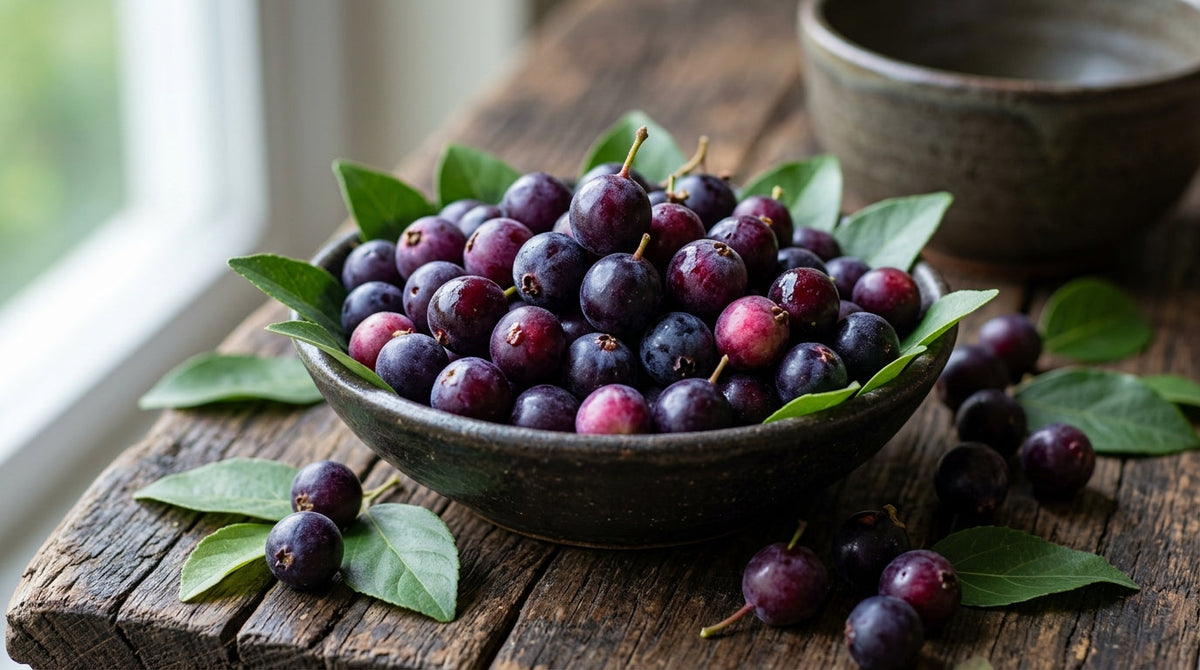
Pomelo (Citrus maxima) demonstrates significant bioactivity through flavonoids like naringin and hesperidin, which inhibit inflammatory markers IL-1β and TNF-α in macrophages at 5 µg/mL concentrations. The fruit's peel contains the highest concentration of bioactive compounds, with limonoids reaching 4.69 mg/g and providing potent antioxidant activity via DPPH scavenging mechanisms.

Origin
Pomelo (Citrus maxima), also known as shaddock, is a large citrus fruit native to Southeast Asia, particularly Malaysia, Thailand, and Indonesia. It thrives in tropical and subtropical climates with well-drained soils. Traditionally revered for its refreshing flavor and medicinal properties, pomelo is valued in functional nutrition for its high vitamin C, antioxidant, and fiber content, supporting immune, cardiovascular, and digestive health.
Potential benefits
- Supports cardiovascular health by regulating blood pressure and improving circulatory function through its high potassium content.
- Protects cells from oxidative stress and reduces inflammation with a rich profile of antioxidants, including vitamin C, flavonoids, and naringin.
- Enhances immune function by providing vitamin C and other bioactives that modulate immune responses and protect against pathogens.
- Promotes digestive health through dietary fiber, which aids in bowel regularity and supports a healthy gut microbiome.
- Contributes to weight management by promoting satiety and reducing calorie intake due to its low-calorie and high-fiber content.
- Supports skin health by stimulating collagen synthesis and improving elasticity, reducing the appearance of wrinkles.
- Aids in neurological health by supporting neurotransmitter function and cognitive performance through vitamin B6 and magnesium.
How it works
Pomelo's flavonoids naringin and hesperidin suppress pro-inflammatory cytokines IL-1β, PGE2, and TNF-α in LPS-stimulated RAW264.7 macrophages. Limonoids like limonin induce phase II detoxification enzyme glutathione S-transferase while scavenging reactive oxygen species. Carotenoids including β-carotene and lycopene provide additional antioxidant protection through free radical neutralization pathways.
What the research says
Current evidence for pomelo derives exclusively from in vitro studies and phytochemical analyses, with no published human clinical trials available. Laboratory studies demonstrate significant antioxidant activity with BARI-3 variety showing DPPH scavenging of 170.47 μM TE/g dry matter and FRAP values of 183.16 μM Fe(II)E/g. Cell culture studies confirm anti-inflammatory effects at 5 µg/mL extract concentrations without cytotoxicity. Human clinical validation remains necessary to establish therapeutic efficacy and optimal dosing parameters.
Safety and interactions
Pomelo is generally recognized as safe for food consumption with no specific toxicity reported at tested laboratory concentrations up to 5 µg/mL in cell studies. As a citrus fruit, pomelo may contain furanocoumarins that could potentially interact with CYP3A4-metabolized medications similar to grapefruit, though this interaction has not been specifically documented. Pregnant and nursing women should consult healthcare providers before consuming pomelo supplements or extracts in therapeutic quantities. Individuals taking medications metabolized by cytochrome P450 enzymes should exercise caution with concentrated pomelo preparations.
Suggested use
- Common forms: Fresh fruit, juice, extract, dried peel.
- For general wellness: Consume 150–250 grams of fresh fruit daily.
- For concentrated benefits: 500–1000 mg of pomelo extract daily for antioxidant and cardiovascular support.
- Culinary uses: Enjoy fresh segments as a snack, add to salads, blend into smoothies, or use the peel in herbal teas and remedies.
Frequently asked questions
Which part of pomelo contains the most beneficial compounds?
The peel contains the highest concentration of bioactive compounds, comprising 30% of fruit weight with total phenolic content reaching 6,712 μg GAE/g dry matter. Enzyme-ultrasound extraction of peel yields superior flavonoid and antioxidant activity compared to pulp or juice extraction methods.
How much limonoid content is in pomelo seeds versus other parts?
Pomelo seeds contain the highest limonoid concentration at 9.50 mg/g limonin, significantly higher than peel (4.69 mg/g) and juice (0.218 mg/mL). These limonoids provide anticancer and anti-inflammatory properties through glutathione S-transferase enzyme induction.
What makes red-fleshed pomelo varieties more beneficial than regular ones?
Red-fleshed pomelo varieties contain seven times more β-carotene and lycopene than the peel, providing enhanced antioxidant and potential anticancer activity. Cultivars like 'Peiyou' and 'Wendun' demonstrate particularly high β-carotene concentrations compared to white-fleshed varieties.
Are there any proven anti-inflammatory effects of pomelo in laboratory studies?
Laboratory studies confirm pomelo extracts significantly inhibit inflammatory markers IL-1β, PGE2, and TNF-α in LPS-stimulated macrophages at 5 µg/mL concentrations. The anti-inflammatory activity is primarily attributed to flavonoids naringin and hesperidin, along with polysaccharides that block inflammatory mediator pathways.
What extraction method produces the most potent pomelo bioactive compounds?
Enzyme-ultrasound assisted extraction (E-UAE) produces superior total phenolic content, flavonoids, naringin, and hesperidin yields compared to ultrasound, enzyme, or conventional extraction methods. E-UAE extracts demonstrate significantly higher antioxidant and antimicrobial activities (p<0.05) than other extraction techniques.
Does pomelo interact with blood pressure medications or statins?
Pomelo contains furanocoumarins that can inhibit CYP3A4 enzymes, potentially increasing levels of certain medications including blood pressure drugs and statins in the bloodstream. This interaction is similar to grapefruit and may lead to adverse effects or toxicity. If you take cardiovascular or cholesterol medications, consult your healthcare provider before consuming pomelo supplements or large quantities of pomelo fruit.
Is pomelo safe for pregnant women and nursing mothers?
While pomelo is a whole food safe in normal dietary amounts during pregnancy, concentrated pomelo supplements should be discussed with a healthcare provider first due to potential enzyme interactions and the need for additional safety data in pregnant populations. The high vitamin C content is generally beneficial, but individual circumstances vary. Nursing mothers should similarly seek medical guidance before using pomelo supplements.
How does pomelo's antioxidant content compare to other citrus fruits like grapefruit or orange?
Pomelo contains comparable levels of vitamin C to oranges but offers higher amounts of certain flavonoids and the unique compound naringin, which grapefruit also contains but in different proportions. Pomelo's larger size and thicker pith mean it provides more total antioxidants per serving than smaller citrus fruits, though bioavailability may vary. The specific antioxidant profile makes pomelo distinct, particularly for cardiovascular and cellular protection applications.
References
- https://fdc.nal.usda.gov/fdc-app.html#/search?query=Pomelo
- https://www.easyayurveda.com/2019/09/03/pomelo-chakotra/
- https://www.healthbenefitstimes.com/pomelos/
- https://www.ncbi.nlm.nih.gov/search/all/?term=Pomelo
- https://www.netmeds.com/health-library/post/pomelo-health-benefits-nutrition-uses-for-skin-and-hair-recipes-side-effects
- https://pubmed.ncbi.nlm.nih.gov/34781419
- https://pubmed.ncbi.nlm.nih.gov/?term=Pomelo+Leaf
- https://www.ncbi.nlm.nih.gov/pmc/articles/PMC7604951/
- https://www.sciencedirect.com/science/article/pii/S1756464620302845
This article is educational and is not medical advice. Statements have not been evaluated by the FDA and are not intended to diagnose, treat, cure, or prevent any disease. Consult a healthcare professional before use.