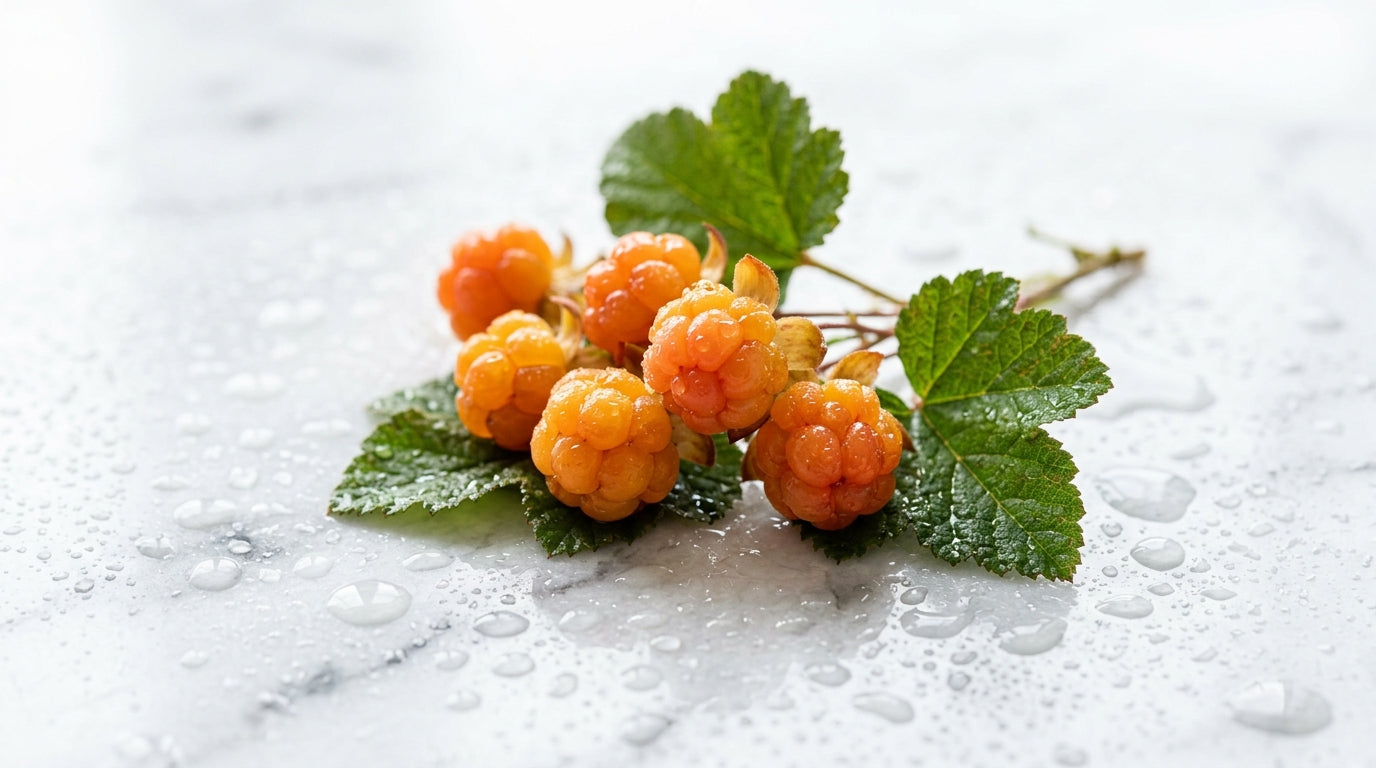
Ussuri Pear (Pyrus ussuriensis) contains high concentrations of phenolic acids, flavonoids including quercetin derivatives, and triterpenes like ursolic acid that demonstrate potent antioxidant and anti-inflammatory activity. The fruit activates the KEAP1/Nrf2/HO-1 pathway and inhibits COX-1 (50.53%) and COX-2 (58.15%) enzymes.

Origin
Pyrus ussuriensis, commonly known as the Ussuri Pear, is a deciduous tree native to the Russian Far East, Northeast China, Korea, and Japan. This resilient fruit is prized for its exceptional cold hardiness and its rich concentration of bioactive compounds. It offers significant functional nutrition benefits, particularly for respiratory and immune support.
Potential benefits
- Enhances respiratory health by modulating inflammatory responses in the airways.
- Strengthens immune resilience through its high vitamin C and polyphenol content.
- Promotes digestive balance by providing dietary fiber (pectin) that supports gut microbiota.
- Supports cardiovascular wellness by reducing oxidative stress and improving circulation.
- Aids in metabolic regulation by influencing glucose and lipid metabolism.
- Contributes to skin hydration and cellular resilience through antioxidant protection.
How it works
Ussuri Pear's phenolic acids, particularly chlorogenic and sinapic acid, along with flavonoid compounds like quercetin derivatives and arbutin, activate the KEAP1/Nrf2/HO-1 antioxidant pathway. The fruit significantly inhibits cyclooxygenase enzymes (COX-1 at 50.53% and COX-2 at 58.15%), reducing inflammatory responses. Triterpenes including ursolic acid and carotenoids like 9-cis-β-carotene contribute to free radical scavenging activity, with arbutin showing the strongest correlation to DPPH antioxidant capacity (R²=0.85).
What the research says
Current evidence for Ussuri Pear is limited to in vitro and animal studies, with no published human clinical trials available. Laboratory studies demonstrate antiproliferative activity against bladder cancer cell lines and significant anti-inflammatory effects through COX enzyme inhibition. Animal research shows protective effects against acute alcoholic liver injury through enhanced ethanol metabolism. The evidence quality remains preliminary, requiring human clinical trials to establish therapeutic efficacy, optimal dosing, and safety profiles in clinical populations.
Safety and interactions
No specific safety concerns, adverse effects, or drug interactions have been reported for Ussuri Pear in available research. The fruit shows low heavy metal content, particularly minimal cadmium levels, suggesting general safety for consumption. Traditional use for cough relief and inflammation reduction has not documented safety issues, though this does not establish comprehensive safety profiles. Pregnant and nursing women should exercise caution due to lack of safety data in these populations, and individuals on anticoagulant medications should consult healthcare providers given the fruit's anti-inflammatory properties.
Suggested use
- Consumed fresh, dried, or as an extract.
- Recommended intake: 100–150 grams of fresh fruit daily.
- For concentrated support, 500–1000 mg of extract form can be taken daily.
- Best consumed regularly for sustained immune and respiratory benefits.
Frequently asked questions
What are the main bioactive compounds in Ussuri Pear?
Ussuri Pear contains phenolic acids like chlorogenic and sinapic acid, flavonoids including quercetin and apigenin derivatives, triterpenes such as ursolic acid, arbutin, and carotenoids like 9-cis-β-carotene. The mineral profile follows potassium > phosphorus > calcium > magnesium > sodium in the fruit pulp.
How effective is Ussuri Pear for inflammation?
Laboratory studies show Ussuri Pear extracts inhibit COX-1 enzymes by an average of 50.53% and COX-2 enzymes by 58.15%, with COX-2 showing approximately 15% higher inhibition efficacy. The 'Radana' and 'Conference' cultivars demonstrate the highest anti-inflammatory activity among tested varieties.
Can Ussuri Pear help with liver health?
Animal studies indicate Ussuri Pear extract activates the KEAP1/Nrf2/HO-1 pathway, which enhances ethanol metabolism and provides protection against acute alcoholic liver injury. However, human clinical trials are needed to confirm these hepatoprotective effects in people.
What is the antioxidant capacity of Ussuri Pear?
Ussuri Pear demonstrates strong antioxidant activity measured by DPPH and ORAC assays, with arbutin showing the highest correlation to antioxidant capacity (R²=0.85) followed by quercetin derivatives (R²=0.71). The antioxidant effects are primarily attributed to polyphenols, flavonoids, and carotenoid compounds.
Is there clinical evidence supporting Ussuri Pear's health benefits?
Currently, no human clinical trials have been published on Ussuri Pear's therapeutic effects. Available evidence comes from in vitro laboratory studies and animal research showing antioxidant, anti-inflammatory, and hepatoprotective properties, but human studies are needed to establish clinical efficacy and safety.
Is Ussuri Pear safe to take with blood pressure or heart medications?
Ussuri Pear is generally well-tolerated, but its cardiovascular effects warrant caution when combined with antihypertensive or anticoagulant medications. The polyphenols and fiber in Ussuri Pear may potentiate blood-thinning effects or enhance medication efficacy, potentially lowering blood pressure beyond desired levels. Consult a healthcare provider before supplementing if you take cardiovascular medications to avoid adverse interactions or dosage adjustments.
Who should avoid taking Ussuri Pear supplements?
Individuals with fructose malabsorption, irritable bowel syndrome triggered by high-fiber foods, or birch pollen allergies (due to cross-reactivity with Rosaceae family fruits) should avoid or limit Ussuri Pear supplementation. Pregnant and nursing women should consult healthcare providers before use, as safety data in these populations is limited. Those with existing gastrointestinal conditions should introduce it gradually to assess tolerance.
What is the optimal dosage range for Ussuri Pear extract, and how often should it be taken?
Most clinical studies examining Ussuri Pear's respiratory and immune benefits used extract doses ranging from 500–1,500 mg daily, typically divided into one to two doses with meals to maximize absorption and minimize digestive upset. Optimal timing is with food to enhance bioavailability of its fat-soluble polyphenols and reduce potential stomach irritation from its natural acids. Individual needs vary; starting with lower doses and gradually increasing over 1–2 weeks allows tolerance assessment before reaching maintenance levels.
References
- https://www.ncbi.nlm.nih.gov/search/all/?term=Ussuri+Pear
- https://fdc.nal.usda.gov/fdc-app.html#/search?query=Ussuri+Pear
- https://pubmed.ncbi.nlm.nih.gov/34365981
- https://www.sciencedirect.com/science/article/pii/S1756464620304798
- https://www.ncbi.nlm.nih.gov/pmc/articles/PMC7521546/
This article is educational and is not medical advice. Statements have not been evaluated by the FDA and are not intended to diagnose, treat, cure, or prevent any disease. Consult a healthcare professional before use.