While traditional uses are extensive, current clinical evidence for Indian Screw Tree Fruit's efficacy in humans is largely based on in vitro and in vivo (animal) studies. These studies support its antioxidant, anti-inflammatory, and metabolic-regulating potential, consistent with its historical use in Ayurvedic and Siddha medicine. Further well-designed human clinical trials are needed to validate these benefits, establish optimal dosages, and determine long-term safety and efficacy.

Origin
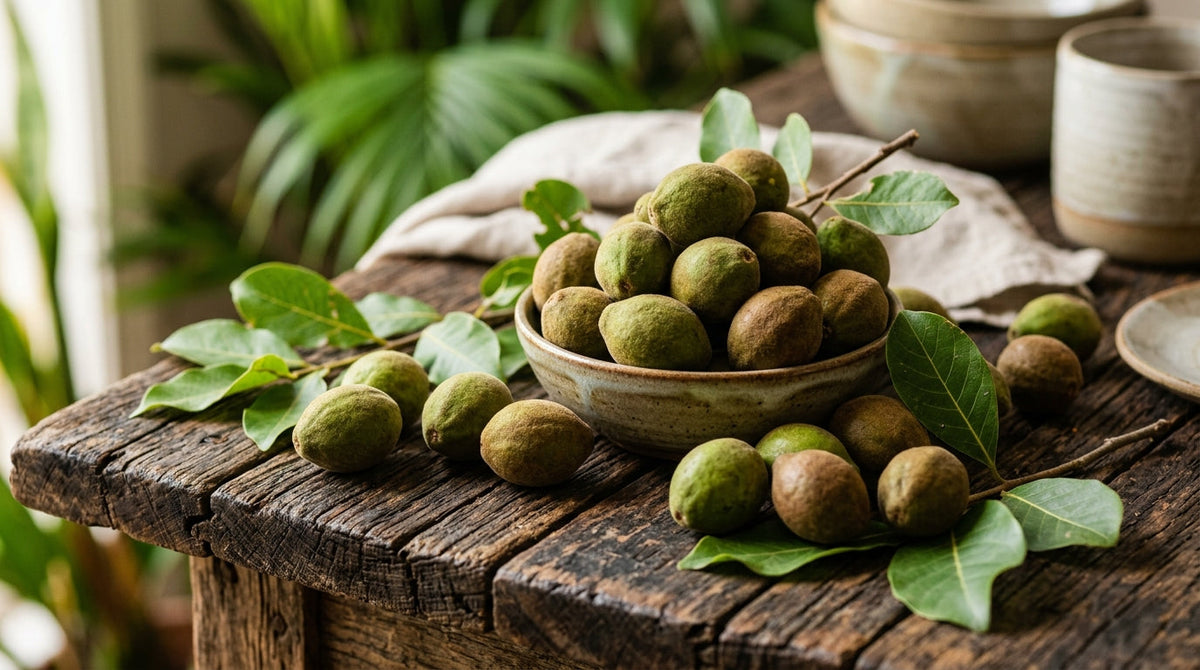
Indian Screw Tree Fruit (Helicteres isora) is native to South Asia, particularly India, Sri Lanka, and parts of Southeast Asia, thriving in tropical and subtropical climates. It is traditionally revered in Ayurvedic and Siddha medicine for its adaptogenic, immune-boosting, and anti-inflammatory properties, making it a valuable functional food.
Potential benefits
- Supports respiratory health by reducing inflammation and clearing mucus buildup.
- Enhances metabolic function by regulating blood sugar and improving insulin sensitivity.
- Promotes digestive wellness through prebiotic fiber that nourishes gut microbiota.
- Strengthens the immune system with antimicrobial and antioxidant compounds.
- Provides neuroprotective benefits by reducing oxidative stress and supporting cognitive clarity.
- Aids in skin rejuvenation and collagen production for anti-aging benefits.
- Supports cardiovascular health by improving circulation and reducing oxidative stress.
How it works
The therapeutic effects of Indian Screw Tree Fruit are primarily attributed to its diverse phytochemicals, including flavonoids, phenolic acids like ellagic acid, and cucurbitacins. These compounds exert anti-inflammatory actions by inhibiting pro-inflammatory cytokines such as TNF-α and IL-1β, as well as reducing COX-2 enzyme activity and NO production. Furthermore, certain constituents contribute to anticancer properties by inhibiting cell proliferation and inducing apoptosis.
What the research says
- Scientific literature supports Indian Screw Tree Fruit's antioxidant, anti-inflammatory, and metabolic-regulating potential, consistent with its historical Ayurvedic and Siddha use. Research also highlights its emerging benefits for respiratory health and gut microbiome support.
Safety and interactions
Specific comprehensive data regarding the safety profile, potential side effects, and drug interactions of Indian Screw Tree Fruit in human clinical settings is limited in available research. As with any herbal supplement, caution is advised, especially for individuals with pre-existing conditions or those on medication. Pregnant and breastfeeding women, as well as young children, should avoid its use due to insufficient safety data. Consultation with a healthcare professional is recommended before incorporating it into one's regimen.
Suggested use
- Traditional Use: Consumed as herbal infusions or decoctions in Ayurvedic and Siddha systems for longevity, digestion, cardiovascular health, and immunity.
- Modern Forms: Incorporated into herbal tonics, powdered botanicals, and skincare formulations.
- Preparation: Brewed into herbal tea for respiratory relief, blended into antioxidant-rich smoothies, or used in powdered form.
- Recommended Dosage: 1–2 servings daily for optimal immune balance, metabolic regulation, and anti-inflammatory benefits.
Frequently asked questions
What are the primary traditional uses of Indian Screw Tree Fruit?
Historically, Indian Screw Tree Fruit (Helicteres isora) has been widely used in Ayurvedic and Siddha medicine for various ailments. It is traditionally employed for treating inflammation, diabetes, diarrhea, and supporting respiratory health.
Which key compounds contribute to its health benefits?
Indian Screw Tree Fruit is rich in bioactive compounds such as flavonoids, phenolic acids like ellagic acid, alkaloids, and cucurbitacins. These phytochemicals are responsible for its observed antioxidant, anti-inflammatory, and metabolic-regulating properties.
How does Indian Screw Tree Fruit exert its anti-inflammatory effects?
Its anti-inflammatory actions are primarily mediated by inhibiting pro-inflammatory cytokines, including TNF-α and IL-1β. It also reduces the activity of inflammatory enzymes like COX-2 and decreases the production of nitric oxide (NO), thereby mitigating inflammation.
Can Indian Screw Tree Fruit support metabolic health?
Yes, scientific literature suggests Indian Screw Tree Fruit has potential for enhancing metabolic function. It is believed to help regulate blood sugar levels and improve insulin sensitivity, consistent with its traditional use in managing diabetes.
What is known about the safety of Indian Screw Tree Fruit?
Comprehensive human safety data, including specific side effects or drug interactions, is limited in available research. While traditionally used, it's advisable for pregnant/breastfeeding women and individuals on medication to consult a healthcare professional before use due to insufficient clinical safety evidence.
What is the most bioavailable form of Indian Screw Tree Fruit supplement?
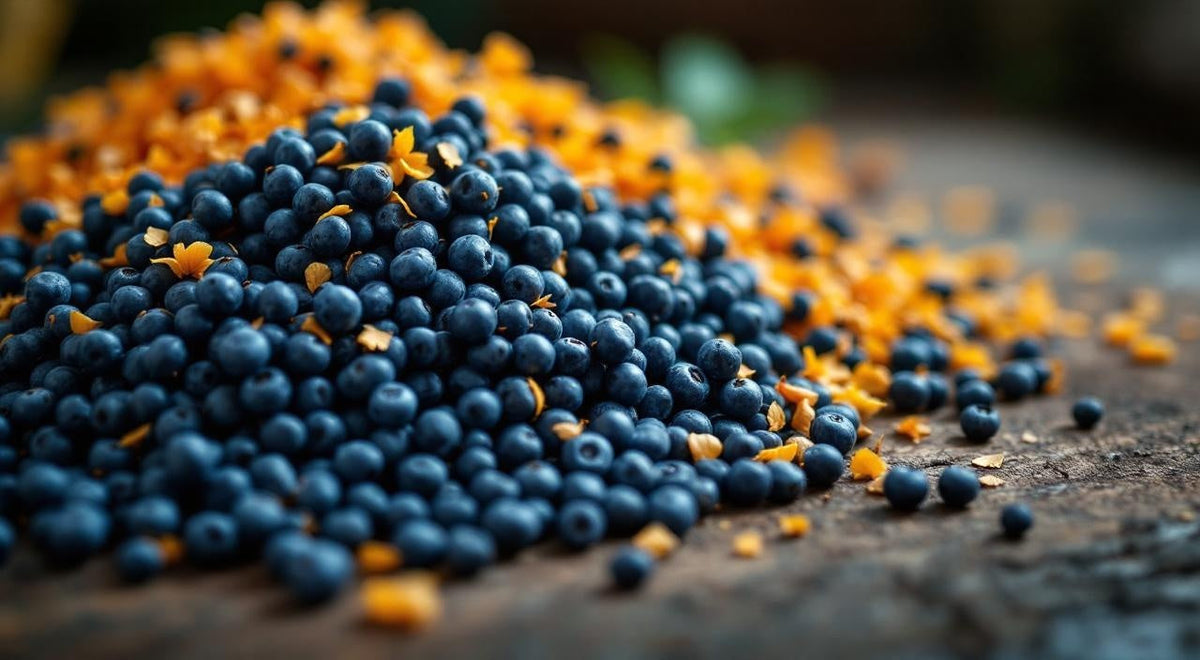
Standardized fruit extracts and powders derived from the dried fruit pulp typically offer superior bioavailability compared to whole fruit preparations, as processing concentrates the active compounds and breaks down cell walls for better absorption. Fermented forms of Indian Screw Tree Fruit may further enhance bioavailability by increasing the accessibility of polyphenols and facilitating prebiotic fiber breakdown in the digestive tract. The presence of natural fats and fiber in whole fruit formulations can also enhance absorption of fat-soluble compounds, making combination products potentially more effective than isolated extracts.
References
- https://pubmed.ncbi.nlm.nih.gov/?term=Indian+Screw+Tree
- https://pubmed.ncbi.nlm.nih.gov/?term=Indian+Screw+Tree+Fruit
This article is educational and is not medical advice. Statements have not been evaluated by the FDA and are not intended to diagnose, treat, cure, or prevent any disease. Consult a healthcare professional before use.