Current evidence for Beleric Myrobalan relies primarily on in vitro studies rather than robust human clinical trials. Laboratory testing demonstrates antibacterial activity against gram-positive and gram-negative bacteria at concentrations of 30-500 μg/disc, including efficacy against Shigella, Proteus, Klebsiella, and Pseudomonas species. While traditional uses report antidiabetic, hepatoprotective, and cardiovascular benefits, specific quantified clinical trial data with sample sizes and numerical outcomes are not available in current literature. The evidence strength remains limited without controlled human studies.

Origin
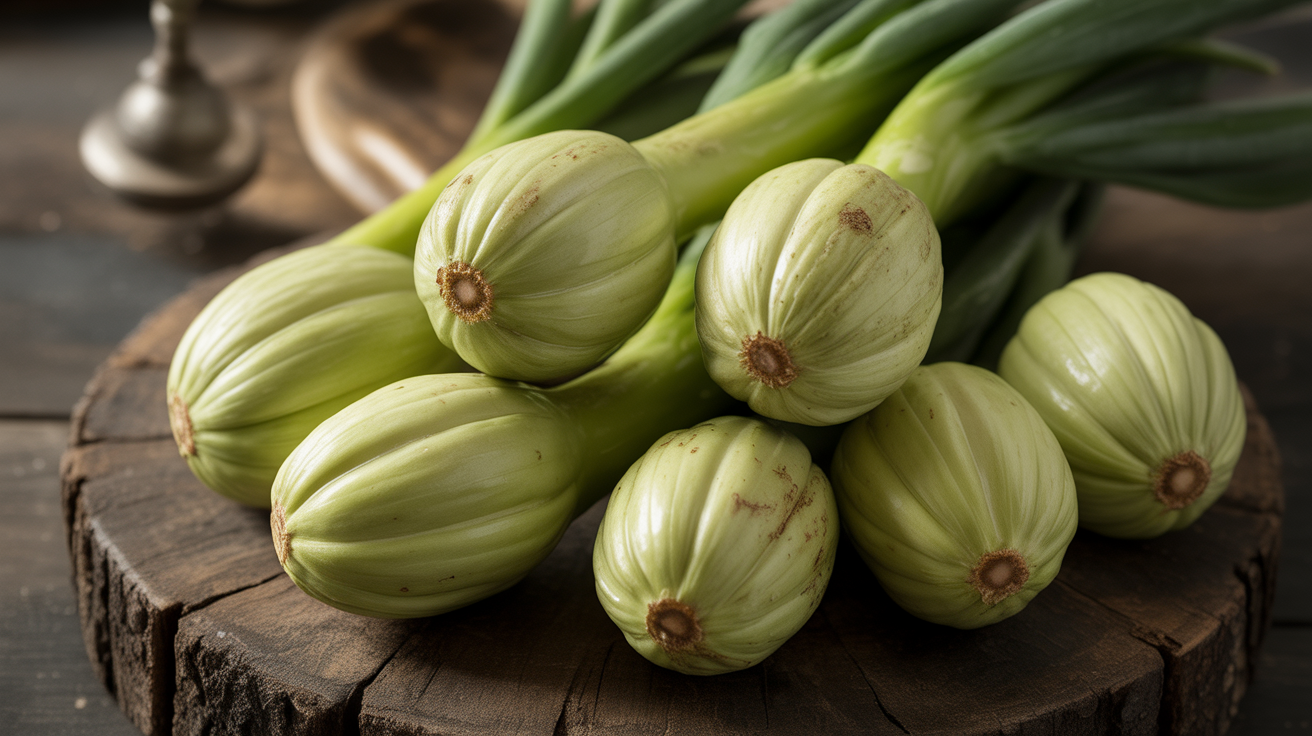
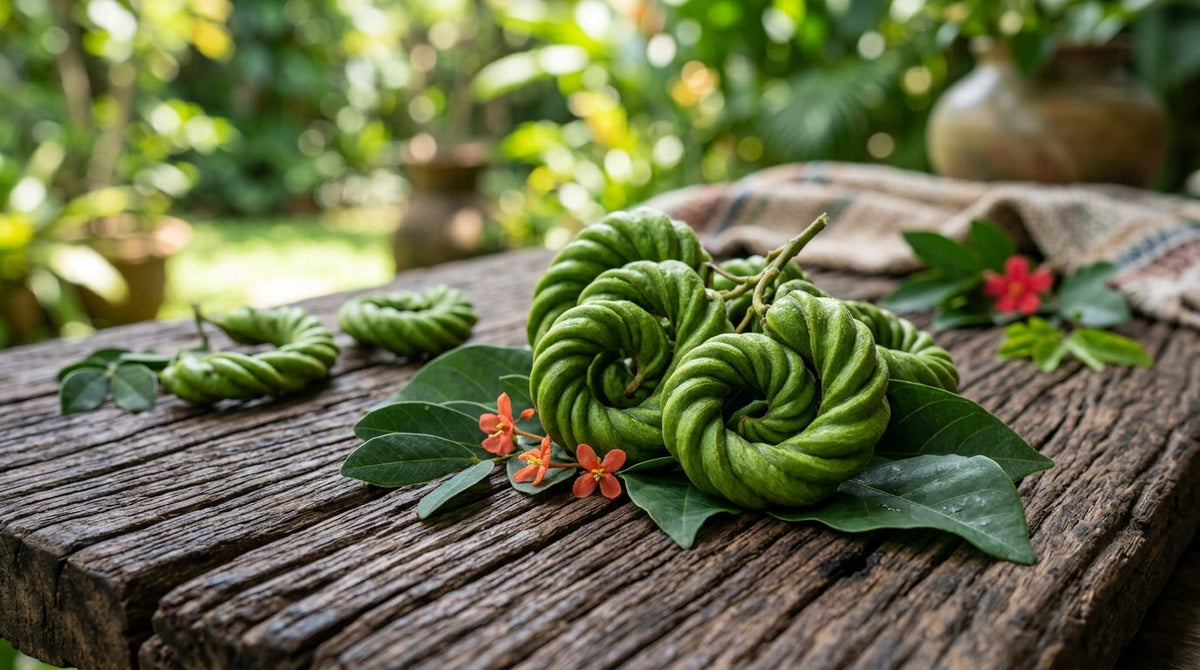
Beleric Myrobalan, *Terminalia bellirica*, is a deciduous tree native to the plains and lower hills of South and Southeast Asia, particularly India, Nepal, and Sri Lanka. Thriving in tropical and subtropical climates, its fruit is a cornerstone of traditional medicine. It is highly valued for its adaptogenic properties and rich phytochemical profile, making it significant for holistic wellness.
Potential benefits
- Supports digestive wellness: by promoting regularity and enhancing nutrient absorption.
- Combats oxidative stress,: contributing to cellular vitality and healthy aging.
- Enhances respiratory health: by reducing mucus production and clearing airways.
- Strengthens cardiovascular function: by regulating cholesterol levels and improving circulation.
- Boosts immune resilience: through its antimicrobial and antiviral actions.
- Provides adaptogenic support,: aiding in stress management and promoting cognitive clarity.
How it works
Beleric Myrobalan's flavonoids and gallic acid block active sites of pro-inflammatory enzymes that convert arachidonic acid into prostaglandins and leukotrienes, while simultaneously suppressing NF-κB transcription factor activation. The polyphenolic compounds including chebulagic acid and β-sitosterol are metabolized by gut microbiota into urolithins that prevent oxidative cellular damage. These mechanisms collectively produce immunomodulatory effects beyond direct anti-inflammatory action.
What the research says
Scientific research supports the traditional uses of *Terminalia bellirica*, highlighting its antioxidant, anti-inflammatory, and antimicrobial properties. Studies indicate its potential in promoting digestive regularity, enhancing respiratory function, and supporting cardiovascular health, aligning with its adaptogenic classification.
Safety and interactions
Comprehensive safety data for Beleric Myrobalan is currently unavailable in published literature, representing a significant knowledge gap for clinical use. Specific information regarding adverse effects, drug interactions, and contraindications has not been adequately documented in current research. Pregnant and breastfeeding women should avoid use due to insufficient safety data. Healthcare providers should exercise caution when recommending this botanical due to the lack of established safety profiles and potential for undocumented drug interactions.
Suggested use
- Common Forms: Standardized extract, dried powder.
- Dosage: 500–1000 mg of standardized extract daily, or 3–5 grams of dried powder mixed with warm water.
- Timing: Typically consumed daily for detoxification and general wellness.
Frequently asked questions
What are the main active compounds in Beleric Myrobalan?
The primary bioactive compounds include galloyl glucose, belleric acid, chebulagic acid, and β-sitosterol, along with flavonoids like kaempferol and quercetin. Additional phytochemicals include gallic acid, ellagic acid, chebulinic acid, and various tannins that contribute to its therapeutic properties.
How does Beleric Myrobalan reduce inflammation?
The fruit's flavonoids and gallic acid block active sites of pro-inflammatory enzymes that convert arachidonic acid into inflammatory substances like prostaglandins and leukotrienes. It also suppresses NF-κB activation, a major transcription factor that regulates inflammatory mediators throughout the body.
What infections can Beleric Myrobalan help treat?
In vitro studies show antibacterial activity at 30-500 μg/disc concentrations against multiple pathogens including Shigella dysenteriae, Proteus mirabilis, Klebsiella pneumoniae, and Pseudomonas aeruginosa. However, human clinical trials are needed to confirm therapeutic efficacy for treating actual infections.
Is Beleric Myrobalan safe to take daily?
Safety data for regular use of Beleric Myrobalan is currently unavailable in published research, creating uncertainty about daily supplementation. Without documented adverse effects, contraindications, or drug interaction profiles, healthcare guidance is essential before regular use.
How is Beleric Myrobalan traditionally used in Ayurveda?
The ripe dry fruit is traditionally classified as astringent, bitter, tonic, and laxative in Ayurvedic medicine. It has been used historically for treating piles, dropsy, diarrhea, leprosy, biliousness, dyspepsia, and headache, though modern clinical validation is limited.
What is the difference between Beleric Myrobalan and other Triphala herbs?
Beleric Myrobalan is one of three fruits in the classical Triphala blend, alongside Amalaki and Haritaki, each contributing unique benefits. While Amalaki excels at antioxidant support and Haritaki promotes digestion, Beleric Myrobalan specifically targets respiratory health and astringent properties that support the colon. When combined in Triphala, these three fruits work synergistically to provide comprehensive digestive and systemic support.
References
- https://www.ncbi.nlm.nih.gov/search/all/?term=Beleric+Myrobalan
- https://fdc.nal.usda.gov/fdc-app.html#/search?query=Beleric+Myrobalan
- https://www.sciencedirect.com/science/article/pii/S2213453019301584
- https://www.ncbi.nlm.nih.gov/pmc/articles/PMC7263927
This article is educational and is not medical advice. Statements have not been evaluated by the FDA and are not intended to diagnose, treat, cure, or prevent any disease. Consult a healthcare professional before use.