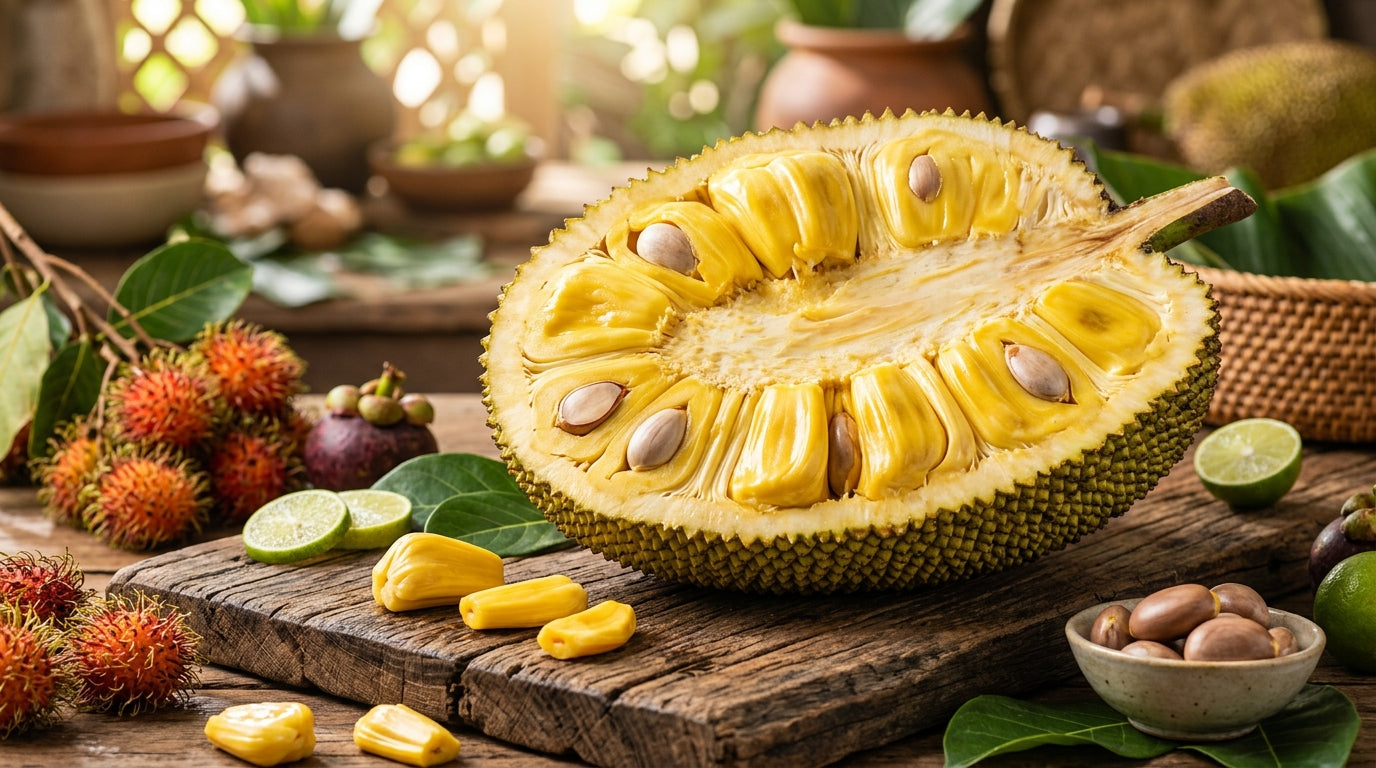
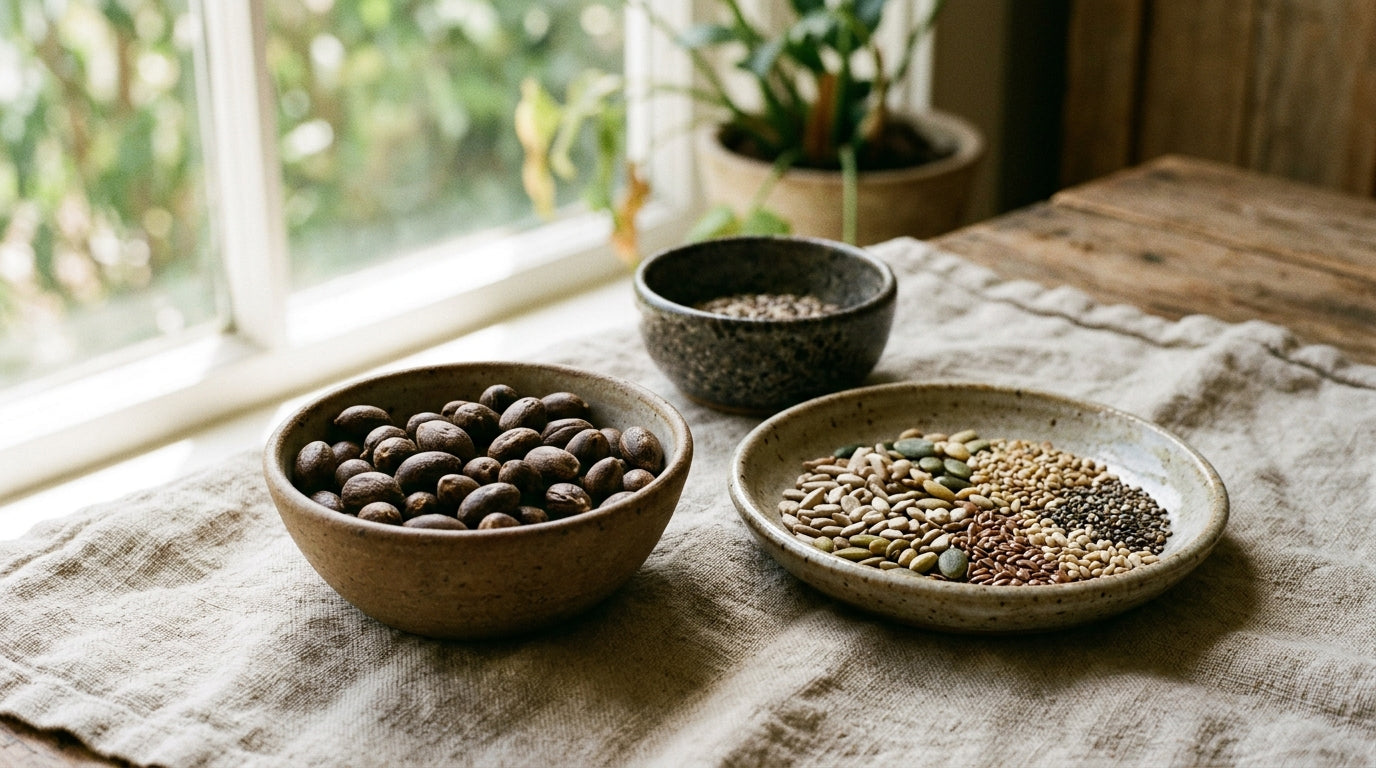
Jengkol bean (Archidendron jiringa) contains saponins as primary bioactive compounds that demonstrate antioxidant and antimicrobial activities through natural antioxidant mechanisms. However, the bean also contains djenkolic acid, which can cause crystalluria and renal inflammation if consumed without proper traditional preparation methods.

Origin
The Jengkol Bean (Archidendron pauciflorum) is a leguminous tree native to Southeast Asia, particularly Indonesia, Malaysia, and Thailand. Its distinctive flat, round seeds are a culturally iconic food, valued for their dense nutrition and unique flavor, despite containing djenkolic acid which requires careful preparation due to potential nephrotoxicity.
Potential benefits
- Provides a rich source of plant protein, essential for muscle repair and metabolic functions.
- Supports energy metabolism through its nutrient profile, contributing to sustained vitality.
- Delivers antioxidant compounds, including flavonoids and phenolics, that help combat oxidative stress.
- Exhibits preliminary antimicrobial properties, contributing to traditional medicinal applications.
- Offers a unique flavor and dense nutritional profile, highly valued in traditional Southeast Asian cuisines.
How it works
Saponins in jengkol bean peels, leaves, and seeds act as natural antioxidants, helping combat oxidative stress through general antioxidant mechanisms. The bioactive compounds also exhibit antimicrobial properties, though specific molecular pathways such as Nrf2 activation or AMPK signaling have not been definitively established. Djenkolic acid, a sulfur-containing amino acid unique to this legume, can form crystals in acidic urine, potentially leading to renal complications.
What the research says
Current evidence for jengkol bean is limited primarily to in vitro studies and nutritional analyses, with no human clinical trials available. In vitro ruminant feed studies showed that jengkol peel powder supplementation increased total volatile fatty acid production and protozoa population, supporting rumen fermentation. Research has extensively documented the toxicological profile of djenkolic acid, confirming its potential to cause crystalluria and kidney inflammation. The evidence base remains preliminary, with most studies focusing on nutritional composition and safety concerns rather than therapeutic efficacy.
Safety and interactions
Jengkol bean consumption carries significant safety concerns due to djenkolic acid content, which can cause djenkol poisoning characterized by crystalluria, acute kidney injury, and renal inflammation. Traditional preparation methods involving multiple boiling and soaking cycles are essential to reduce djenkolic acid levels before consumption. No specific drug interactions have been documented, but individuals with kidney disease should avoid consumption due to potential nephrotoxicity. Pregnant women should exercise caution given the lack of safety data and potential renal risks.
Suggested use
- Forms: Consumed cooked, boiled, or fermented in Indonesian and Malaysian cuisine.
- Preparation: Traditional methods, such as boiling and soaking, aim to reduce the concentration of djenkolic acid and mitigate toxicity.
- Dosage: Generally limited to occasional consumption in small quantities (under 50 grams per serving), strictly avoiding raw intake.
- Contraindication: Due to the presence of djenkolic acid, sensitive individuals risk nephrotoxicity (kidney damage) and crystalluria; consumption should be approached with caution and moderation.
Frequently asked questions
What makes jengkol bean potentially dangerous to consume?
Jengkol bean contains djenkolic acid, a sulfur-containing compound that can crystallize in acidic urine and cause kidney stones, acute kidney injury, and renal inflammation. This condition, known as djenkol poisoning, requires proper traditional preparation methods to reduce toxicity.
What are the main bioactive compounds in jengkol bean?
The primary bioactive compounds are saponins found in the peels, leaves, and seeds, which provide antioxidant and antimicrobial properties. The bean also contains flavonoids, phenolics, and the problematic djenkolic acid that requires careful preparation to neutralize.
How should jengkol bean be prepared safely for consumption?
Traditional preparation involves multiple cycles of boiling and soaking to reduce djenkolic acid levels. These methods are essential for safe consumption, as improper preparation can lead to crystalluria and serious kidney complications.
Is there clinical evidence supporting jengkol bean's health benefits?
Currently, no human clinical trials exist for jengkol bean, with evidence limited to in vitro studies and nutritional analyses. While preliminary research shows antioxidant and antimicrobial properties, therapeutic claims lack robust clinical validation.
What is the difference between jengkol varieties?
Two main varieties exist: jengkol gajah (elephant jengkol) and jengkol padi (paddy jengkol), which differ in their bioactive compound levels. Both varieties contain djenkolic acid and require similar traditional preparation methods for safe consumption.
Can jengkol bean be safely consumed by pregnant or breastfeeding women?
Jengkol bean contains compounds that may affect kidney function and should be approached cautiously during pregnancy and breastfeeding due to limited safety data in these populations. Women who are pregnant or nursing should consult with a healthcare provider before consuming jengkol bean or supplements derived from it. Traditional use does not guarantee safety for vulnerable populations, and individual risk assessment is recommended.
Does jengkol bean interact with common medications or medical treatments?
Jengkol bean's antimicrobial and bioactive properties may potentially interact with antibiotics, anticoagulants, or medications metabolized by the liver, though specific clinical interactions have not been extensively studied. The presence of compounds affecting kidney function could theoretically impact medications that depend on renal clearance. Anyone taking prescription medications should consult their healthcare provider before adding jengkol bean to their regimen.
Who would benefit most from consuming jengkol bean as a protein source?
Individuals seeking plant-based protein sources for muscle maintenance, athletes, and those following vegetarian or vegan diets may benefit from jengkol bean's substantial protein content. People looking to enhance antioxidant intake and support energy metabolism could also find value in its nutrient profile. However, those with existing kidney issues or digestive sensitivities should exercise caution due to the bean's concentrated bioactive compounds.
References
- https://www.ncbi.nlm.nih.gov/search/all/?term=Jengkol+Bean
- https://fdc.nal.usda.gov/fdc-app.html#/search?query=Jengkol+Bean
- https://www.ncbi.nlm.nih.gov/pmc/articles/PMC7282255/
- https://www.sciencedirect.com/science/article/abs/pii/S2405844020324702
This article is educational and is not medical advice. Statements have not been evaluated by the FDA and are not intended to diagnose, treat, cure, or prevent any disease. Consult a healthcare professional before use.