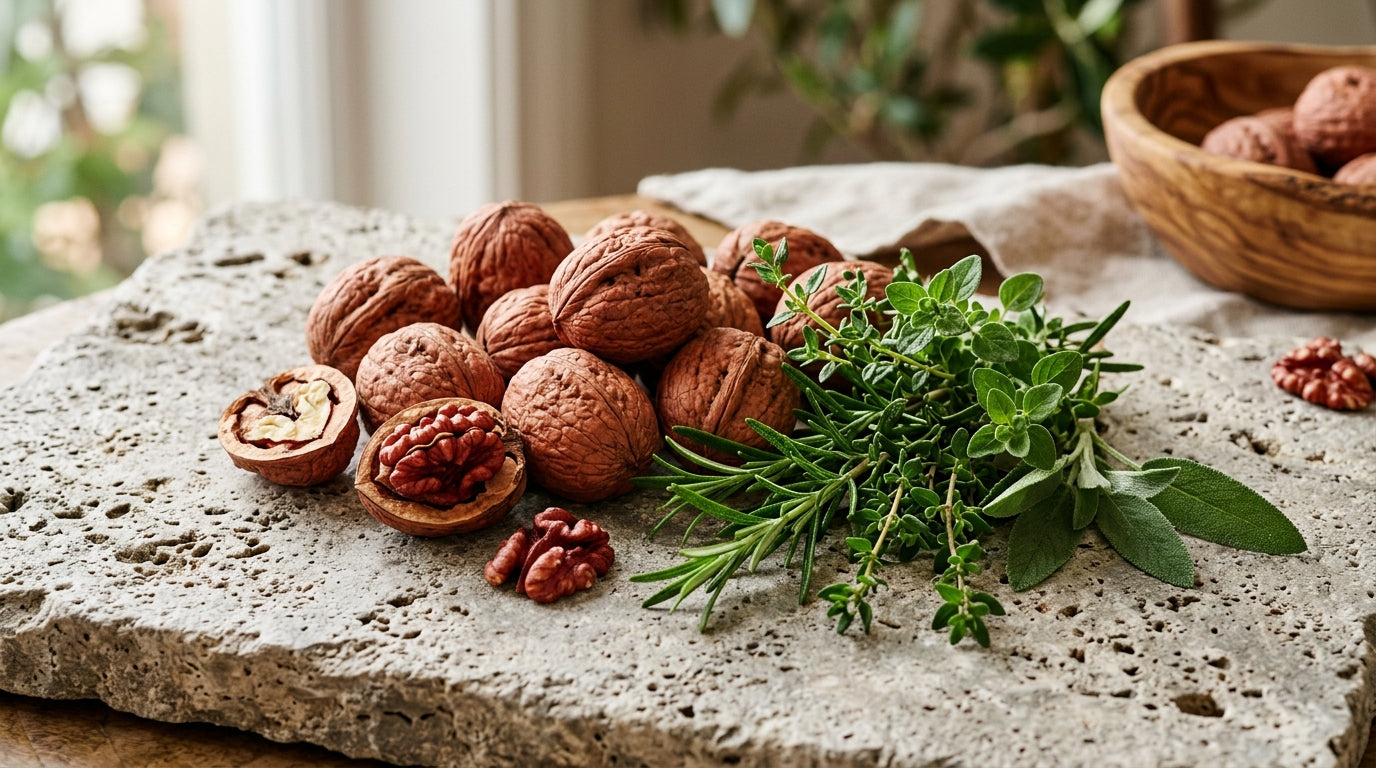
Chilean Wild Tamarind (Pithecellobium dulce) contains alkaloids, saponins, and terpenoids that demonstrate 92.5% protein inhibition activity and significant antioxidant effects through phosphomolybdate reduction pathways. This leguminous tree species exhibits anti-inflammatory mechanisms distinct from true tamarind (Tamarindus indica) with which it is often confused.

Origin
Chilean Wild Tamarind (Prosopis chilensis) is a resilient legume native to the dry valleys, coastal woodlands, and Andean foothills of Chile. It thrives in challenging environments, producing nutrient-dense pods. This superlegume is valued for its unique combination of plant-based protein, fiber, and adaptogenic compounds, making it a powerful ingredient for functional nutrition.
Potential benefits
- Enhances digestive function by providing prebiotic fiber that nourishes gut microbiota and supports regularity.
- Boosts immune resilience through its content of polyphenols and minerals that modulate immune responses.
- Supports metabolic health by aiding in healthy blood sugar regulation and lipid profiles.
- Improves cardiovascular function by contributing to healthy circulation and reducing oxidative stress.
- Aids stress adaptation through its adaptogenic compounds, helping the body manage physical and mental stressors.
- Promotes cognitive clarity by providing neuroprotective compounds that support brain health.
How it works
Pithecellobium dulce's alkaloids, saponins, and terpenoids exert anti-inflammatory effects through 92.5% protein inhibition, likely involving enzyme denaturation or blockade mechanisms. The aqueous extracts demonstrate antioxidant activity via phosphomolybdate reduction pathways. These bioactive compounds modulate immune responses and support digestive function through prebiotic fiber effects on gut microbiota.
What the research says
No human clinical trials exist specifically for Pithecellobium dulce, limiting evidence to in vitro studies demonstrating its phytochemical profile and bioactivity. Research is primarily preclinical, with most published data focusing on the related but distinct Tamarindus indica species. The existing evidence shows promise for antioxidant and anti-inflammatory effects, but robust human clinical trials are needed to establish therapeutic efficacy and safety profiles. Current health benefit claims are based on traditional use and limited laboratory studies rather than controlled human research.
Safety and interactions
No specific safety data, drug interactions, or contraindications are established for Pithecellobium dulce in clinical literature. The high content of tannins and potential alkaloids suggest possible gastrointestinal irritation in sensitive individuals, though this remains unconfirmed by studies. Pregnant and nursing women should avoid use due to insufficient safety data and unknown effects of alkaloid compounds on fetal development. Patients taking anticoagulant medications should exercise caution due to potential interactions with polyphenolic compounds, though specific interactions have not been documented.
Suggested use
- Traditionally roasted, ground into flour, or brewed into infusions; used in energy pastes and fermented probiotic tonics.
- Modern applications include protein blends, digestive powders, and nootropic snacks.
- Recommended dosage is 1–2 servings daily or 500–1000 mg of standardized extract.
Frequently asked questions
Is Chilean Wild Tamarind the same as regular tamarind?
No, Chilean Wild Tamarind (Pithecellobium dulce) is distinct from true tamarind (Tamarindus indica) despite similar names. They have different bioactive profiles, with P. dulce containing alkaloids, saponins, and terpenoids, while T. indica contains tartaric acid and different polyphenols.
What are the main health benefits of Chilean Wild Tamarind?
Based on limited research, Chilean Wild Tamarind may provide digestive support through prebiotic fiber and immune benefits via polyphenols and minerals. However, these benefits are primarily supported by traditional use and preliminary studies rather than rigorous clinical trials.
How much Chilean Wild Tamarind is safe to consume daily?
No established safe dosage exists for Chilean Wild Tamarind due to lack of clinical safety studies. Traditional preparations vary widely, but consumers should consult healthcare providers before use, especially given the presence of unstudied alkaloid compounds.
Can Chilean Wild Tamarind help with blood sugar control?
While traditional use suggests metabolic benefits, no clinical trials have specifically tested Chilean Wild Tamarind's effects on blood glucose levels. Claims about blood sugar regulation are based on general legume properties rather than species-specific research.
What's the difference between Chilean Wild Tamarind and Manila tamarind?
Chilean Wild Tamarind and Manila tamarind are the same species (Pithecellobium dulce), with Manila tamarind being the more common name. Both refer to the sweet-podded leguminous tree native to Central and South America, not the sour Tamarindus indica.
Does Chilean Wild Tamarind interact with blood sugar medications like metformin?
Chilean Wild Tamarind may have additive effects on blood sugar regulation due to its prebiotic fiber and polyphenol content, which could potentiate the effects of antidiabetic medications. If you are taking metformin or other blood sugar-lowering drugs, consult your healthcare provider before adding Chilean Wild Tamarind supplementation to monitor glucose levels and adjust medication dosing if necessary. This interaction is particularly relevant for individuals with diabetes or prediabetes who are already managing blood sugar pharmacologically.
Is Chilean Wild Tamarind safe to take during pregnancy and breastfeeding?
There is limited clinical evidence specifically evaluating Chilean Wild Tamarind safety during pregnancy and breastfeeding, so it is recommended to avoid supplementation during these periods unless directed by a healthcare provider. While the fiber content may support digestive health, the polyphenol compounds and their effects on fetal development have not been thoroughly studied in pregnant populations. Pregnant and nursing women should consult with their obstetrician before using any Chilean Wild Tamarind supplements.
What is the most bioavailable form of Chilean Wild Tamarind supplement?
Standardized extracts that concentrate polyphenols and prebiotic fiber typically offer superior bioavailability compared to whole fruit powder, as extraction processes increase the accessibility of active compounds to gut microbiota and intestinal absorption. Fermented or partially hydrolyzed forms may further enhance bioavailability by breaking down cell walls and increasing the availability of polyphenols for absorption. Whole fruit powders provide beneficial fiber but deliver lower concentrations of the bioactive polyphenol compounds per serving.
References
- https://www.ncbi.nlm.nih.gov/search/all/?term=Chilean+Wild+Tamarind
- https://fdc.nal.usda.gov/fdc-app.html#/search?query=Chilean+Wild+Tamarind
- https://www.ncbi.nlm.nih.gov/pmc/articles/PMC8501205/
- https://www.sciencedirect.com/science/article/pii/S1756464621003349
This article is educational and is not medical advice. Statements have not been evaluated by the FDA and are not intended to diagnose, treat, cure, or prevent any disease. Consult a healthcare professional before use.