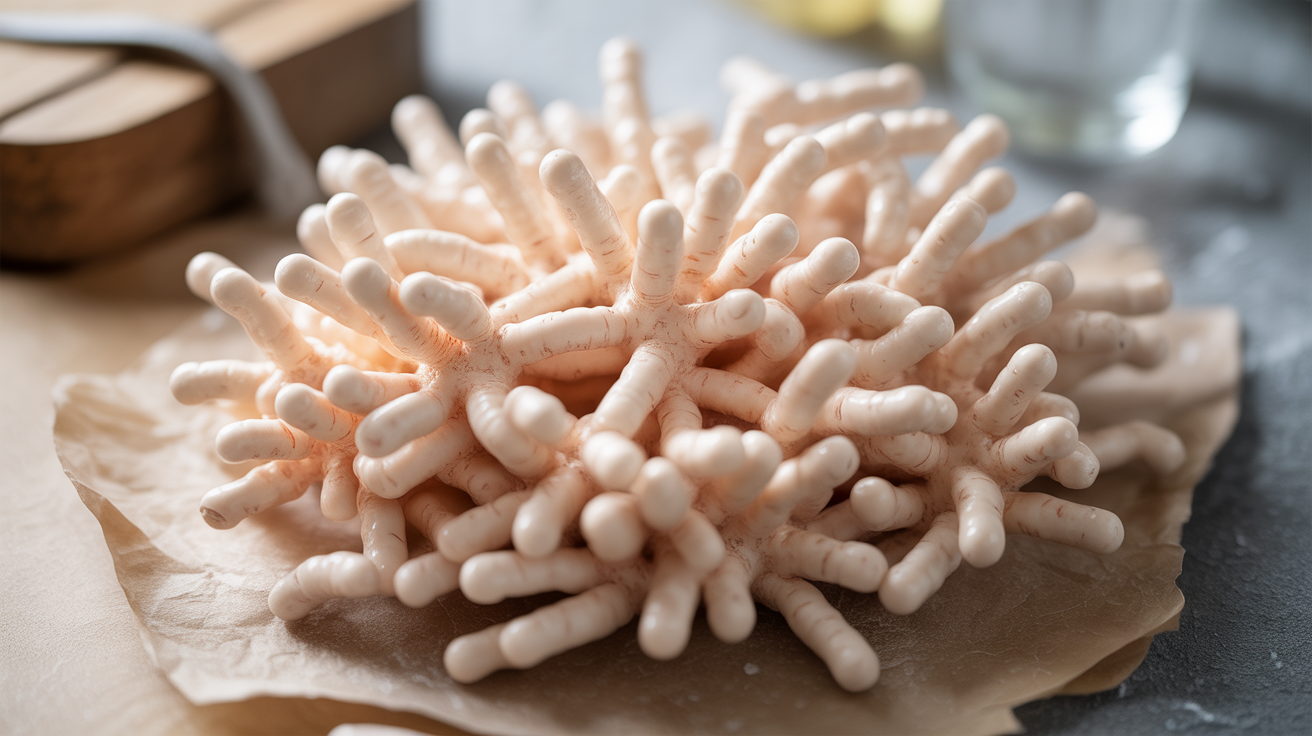
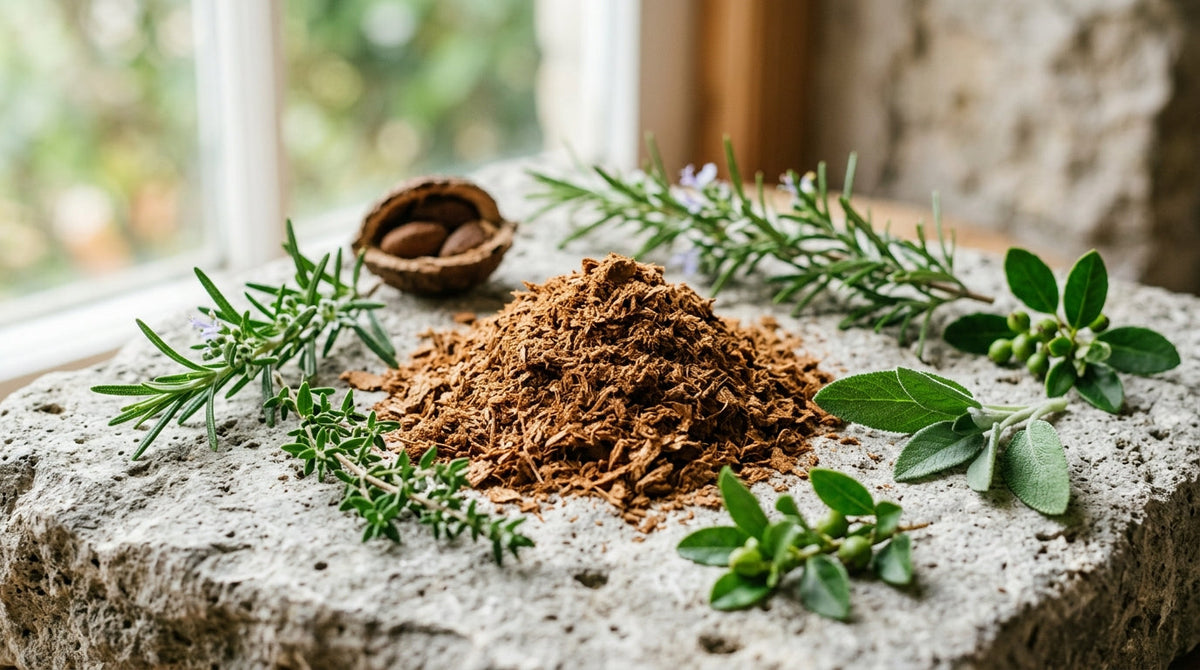
Currently, there are no reported human clinical trials, randomized controlled studies, or specific quantitative health results detailing the therapeutic efficacy of Bush Banana (Leichhardtia australis). Information on its health benefits primarily stems from ethnobotanical literature and observational studies within broader nutritional analyses of traditional Indigenous Australian diets. These traditional accounts recognize its nutritional value, including contributions to energy and digestive health, rather than specific therapeutic outcomes. Therefore, robust scientific evidence from clinical studies regarding dosage, safety, or specific health outcomes is absent.

Origin
Bush Banana (Marsdenia australis) is native to Central and Western Australia, particularly prevalent in arid and semi-arid regions where it thrives in dry inland areas. This resilient plant is a traditional staple, valued in functional nutrition for its foundational energy and gut health benefits.
Potential benefits
- Provides thiamine (Vitamin B1), supporting efficient energy metabolism and nervous system function.
- Offers dietary fiber, which aids in digestive regularity and promotes a healthy gut.
- Exhibits antioxidant activity through phenolic compounds, combating oxidative stress.
- Supports foundational nutritional needs, traditionally alleviating hunger as a staple food.
How it works
The direct mechanism of action for specific therapeutic benefits of Bush Banana (Leichhardtia australis) has not been identified in current scientific literature, as it is primarily regarded as an edible food source. However, its nutritional profile includes thiamine (Vitamin B1) which supports efficient energy metabolism, and dietary fiber aiding digestive health. The presence of phenolic compounds contributes to general antioxidant activity, combating oxidative stress at a cellular level, though specific pathways remain uninvestigated.
What the research says
Ethnobotanical literature recognizes Bush Banana's nutritional value and cultural importance. While its traditional uses are well-documented, specific modern scientific studies on its health benefits are primarily observational or part of broader nutritional analyses of Indigenous diets.
Safety and interactions
As Bush Banana (Leichhardtia australis) is primarily consumed as a traditional food source by Indigenous Australians, specific modern scientific data on its side effects, drug interactions, or contraindications is limited. There are no reported adverse effects from its traditional consumption, suggesting a generally safe profile when eaten as food. However, due to the lack of dedicated safety studies, specific recommendations for pregnant or breastfeeding individuals, or interactions with medications, cannot be provided. Individuals with allergies to similar plants should exercise caution, and consumption beyond traditional food quantities requires further research.
Suggested use
- Traditionally, Indigenous Australians consume young fruits and flowers raw, mature fruits cooked on hot ashes, and flowers for nectar.
- Modern applications integrate Bush Banana into contemporary bush tucker cuisine.
- Consumed as part of a diverse, balanced diet; suitable for both raw and cooked preparations depending on fruit maturity.
Frequently asked questions
What is Bush Banana and where does it grow?
Bush Banana refers to Leichhardtia australis, a perennial climbing vine native to arid and semi-arid regions of Central and Western Australia. It is highly valued by Indigenous Australians as an edible bush tucker plant.
What parts of the Bush Banana plant are traditionally consumed?
Indigenous Australians traditionally consume various parts, including the banana-like fruits, the seeds (which taste like peas), the roots, and young leaves. The plant's versatility makes it a significant food source.
What nutritional benefits does Bush Banana offer?
Bush Banana provides thiamine (Vitamin B1), which supports efficient energy metabolism and nervous system function. It also offers dietary fiber, aiding digestive regularity and promoting gut health.
Are there specific bioactive compounds in Bush Banana responsible for health benefits?
While Bush Banana exhibits antioxidant activity through phenolic compounds, specific bioactive compounds or pharmacological mechanisms responsible for distinct therapeutic health benefits have not been identified in current research. It is primarily valued for its nutritional content as a food.
Has Bush Banana been studied in clinical trials for its health benefits?
No human clinical trials, controlled studies, or quantitative health results are currently reported for Bush Banana. Its recognized health benefits are primarily based on ethnobotanical knowledge and traditional Indigenous consumption, as part of broader nutritional analyses.
Can Bush Banana be consumed fresh, or does it need to be cooked?
Bush Banana can be consumed both fresh and cooked, depending on ripeness and personal preference. When ripe, the fruit can be eaten raw and has a creamy texture similar to a regular banana. Traditionally, it is also cooked or roasted as part of indigenous cuisines, which may alter nutrient bioavailability and texture.
References
This article is educational and is not medical advice. Statements have not been evaluated by the FDA and are not intended to diagnose, treat, cure, or prevent any disease. Consult a healthcare professional before use.