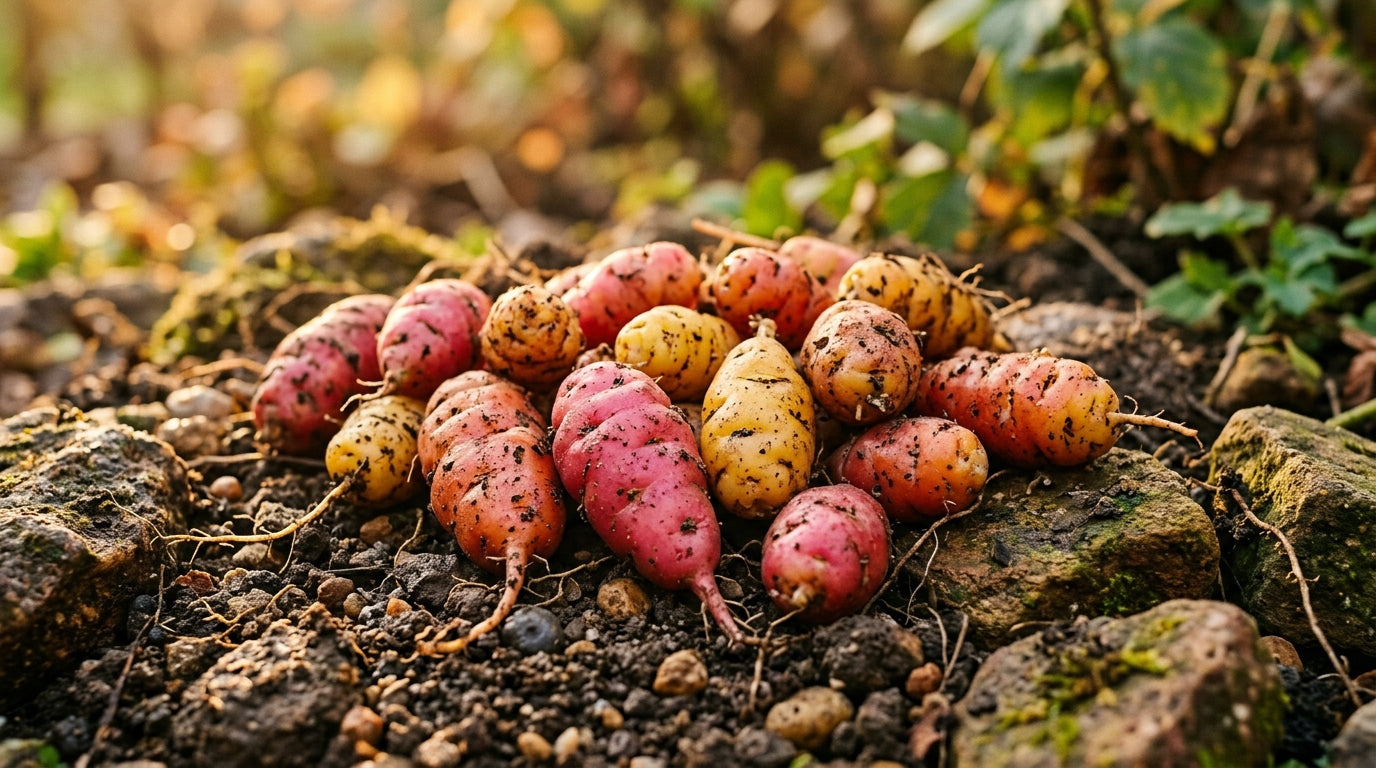
Ochna fruit contains bioactive biflavonoids including ochnaflavone and amentoflavone that inhibit COX-1/2 and lipoxygenase pathways, reducing inflammatory prostaglandin synthesis. Current research focuses primarily on leaf and seed extracts rather than the fruit itself, with no human clinical trials completed.

Origin
Ochna Fruit (Ochna species) is a vibrant fruit native to tropical and subtropical regions of Africa and Asia, thriving in diverse habitats like forests, grasslands, and riverbanks. This nutrient-dense fruit is traditionally valued for its immune-supporting, cardiovascular, and digestive benefits.
Potential benefits
- Supports immune resilience through its rich vitamin C and flavonoid content.
- Enhances cardiovascular wellness by promoting healthy circulation and reducing oxidative stress.
- Aids digestive health by providing dietary fiber and soothing properties.
- Contributes to skin vitality by protecting against environmental damage and supporting cellular regeneration.
- Modulates stress adaptation, supporting the body's response to daily stressors.
- Promotes cognitive clarity by reducing inflammation and supporting neural pathways.
How it works
Ochna fruit's biflavonoids, particularly ochnaflavone and amentoflavone, inhibit arachidonic acid pathways by blocking COX-1/2 and lipoxygenase enzymes, reducing prostaglandin H2 and inflammatory mediator production. These compounds also disrupt protein denaturation through electrostatic and hydrogen bond interference. The flavonoid glycosides demonstrate antimicrobial activity by interfering with bacterial cell wall synthesis and attachment mechanisms.
What the research says
Research on Ochna species remains limited to in vitro and animal studies, with no human clinical trials identified for the fruit specifically. Leaf extracts from O. rhizomatosa showed 40% parasitemia suppression and up to 46.44% curative antimalarial activity in mouse models. Antimicrobial studies demonstrated minimum inhibitory concentrations of 12.5 μg/mL for isolated compounds and 15 mg/mL for crude extracts against bacterial pathogens. Current evidence derives primarily from leaf and seed studies rather than fruit-specific research, necessitating human trials to establish clinical efficacy and safety.
Safety and interactions
In vitro studies indicate potential cytotoxic and genotoxic effects, with compounds altering cellular morphology and growth patterns. Pregnant and breastfeeding women should avoid Ochna fruit due to these cytotoxic risks and lack of safety data. The biflavonoids may interact with NSAIDs and anticoagulants through prostaglandin pathway modulation, potentially enhancing anticoagulant effects. Individuals with autoimmune or rheumatic conditions should exercise caution due to the fruit's protein denaturation properties that could affect immune system function.
Suggested use
- Traditionally consumed fresh or dried for immune and digestive support.
- Used in decoctions for respiratory wellness and in topical applications for skin conditions.
- Available in antioxidant-rich functional foods, immune-support supplements, and skincare formulations.
- Dosage: 100-200 grams of fresh fruit daily, or 500-1000 mg of extract.
Frequently asked questions
What are the main bioactive compounds in Ochna fruit?
Ochna fruit contains biflavonoids including ochnaflavone, amentoflavone, and agathisflavone, along with tocopherols (α-tocopherol up to 287.37 μg/g) and various phenolic compounds. However, most compound identification comes from leaf and seed studies rather than fruit-specific analysis.
Is there clinical evidence supporting Ochna fruit benefits?
No human clinical trials exist for Ochna fruit specifically. Current evidence derives from in vitro studies and animal models using primarily leaf extracts, showing antimicrobial activity with MIC values of 12.5 μg/mL and antimalarial effects up to 46.44% parasitemia inhibition.
Can Ochna fruit interact with medications?
Ochna fruit's biflavonoids may interact with NSAIDs and anticoagulant medications by modulating COX and lipoxygenase pathways. This could potentially enhance anticoagulant effects or interfere with anti-inflammatory drug metabolism, though specific interaction studies are lacking.
What are the potential side effects of Ochna fruit?
In vitro studies indicate potential cytotoxic and genotoxic effects, including altered cell morphology and growth disruption. The fruit may also cause protein denaturation effects that could impact immune function, particularly concerning for individuals with autoimmune conditions.
Is Ochna fruit safe during pregnancy?
Ochna fruit should be avoided during pregnancy and breastfeeding due to demonstrated cytotoxic effects in laboratory studies and complete lack of human safety data. The potential for cellular damage and unknown effects on fetal development make it unsuitable for pregnant women.
What are the best food sources of Ochna fruit and can I meet my nutritional needs through diet alone?
Ochna fruit is primarily found in tropical and subtropical regions, particularly in Africa and Asia, making it less accessible in Western markets as a whole food source. While consuming fresh Ochna fruit when available provides natural bioactive compounds with good absorption, most people outside these regions rely on standardized supplements to achieve consistent intake of its beneficial compounds. A balanced diet rich in other antioxidant fruits like berries, citrus, and tropical fruits can complement Ochna supplementation, but supplements offer a more reliable way to obtain therapeutic doses.
What is the most bioavailable form of Ochna fruit supplement, and what factors affect its absorption?
Standardized extracts of Ochna fruit typically offer higher bioavailability than whole fruit powders due to concentrated flavonoids and vitamin C content. Absorption is enhanced when Ochna supplements are taken with meals containing healthy fats, which support the uptake of fat-soluble antioxidants and flavonoids. The presence of food in the digestive tract also helps stabilize the delicate compounds and extends their availability for intestinal absorption.
Who benefits most from Ochna fruit supplementation, and are there specific populations that should prioritize it?
Individuals with high oxidative stress, compromised immune function, or poor circulation may benefit most from Ochna fruit's rich antioxidant and cardiovascular support properties. People living in high-pollution environments or those experiencing chronic stress may find value in its stress-modulating and protective compounds. Those seeking natural anti-inflammatory and digestive support without relying on synthetic alternatives are also well-suited to this ingredient, though it works best as part of a comprehensive wellness strategy.
References
- https://www.ncbi.nlm.nih.gov/search/all/?term=Ochna+Fruit
- https://fdc.nal.usda.gov/fdc-app.html#/search?query=Ochna+Fruit
- https://pubmed.ncbi.nlm.nih.gov/32476590
- https://www.sciencedirect.com/science/article/pii/S2213453019301567
- https://www.ncbi.nlm.nih.gov/pmc/articles/PMC7155503/
This article is educational and is not medical advice. Statements have not been evaluated by the FDA and are not intended to diagnose, treat, cure, or prevent any disease. Consult a healthcare professional before use.