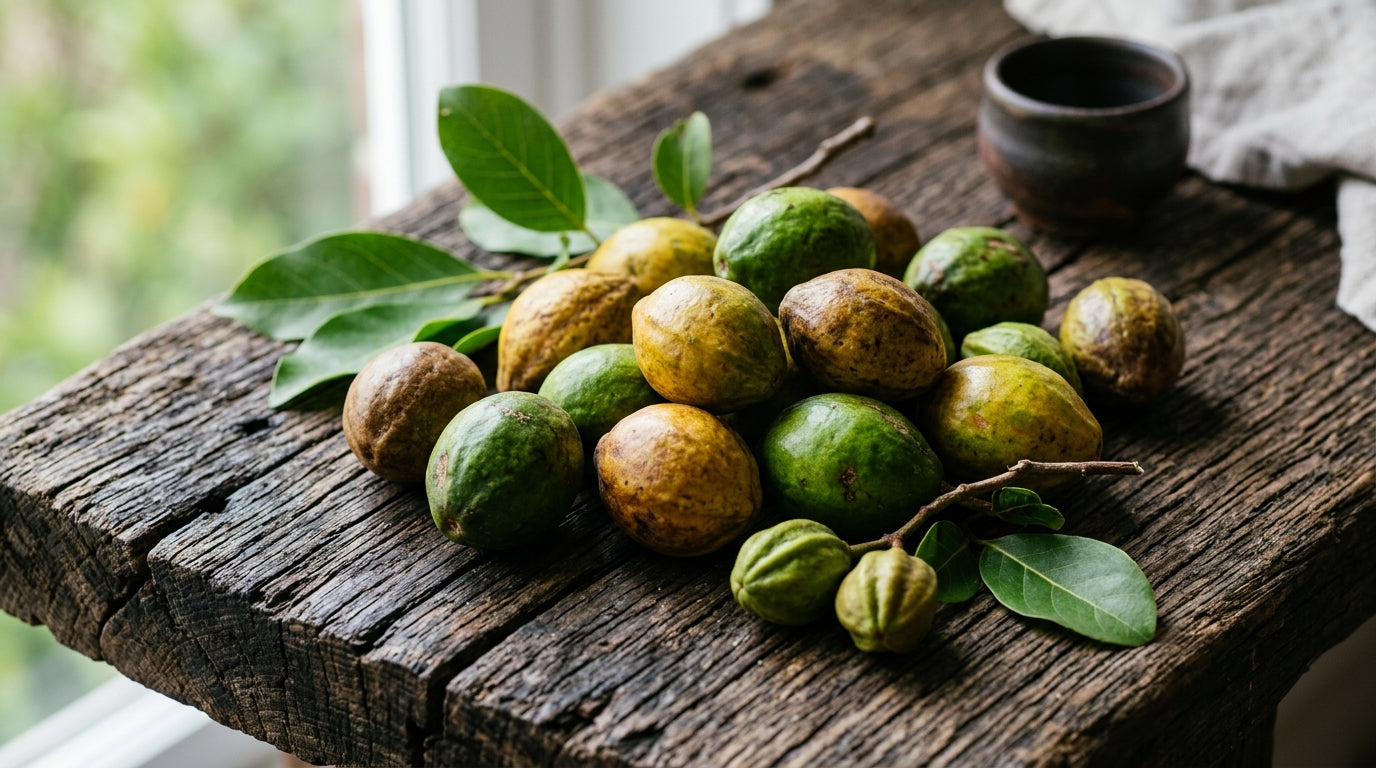
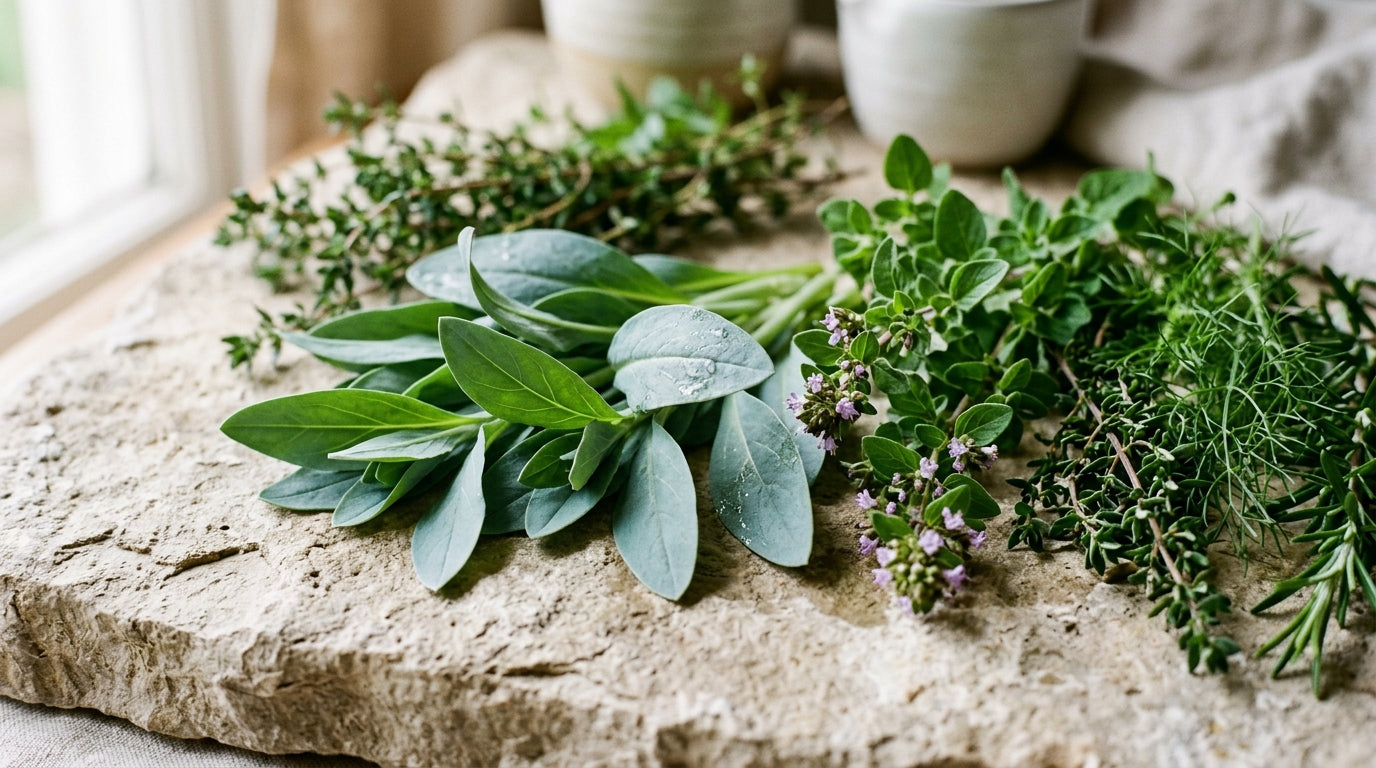
Okinawan Olive refers to olive leaf extract formulations marketed for longevity benefits, containing oleuropein (20-50 mg per dose) and hydroxytyrosol as primary bioactive compounds. These secoiridoid polyphenols inhibit NF-κB inflammatory pathways and activate SIRT1/AMPK cellular protection mechanisms.

Origin
Okinawan Olive (Olea europaea, Okinawan cultivar) is a fruit cultivated in the subtropical forests of Okinawa and the Ryukyu Islands of Japan. Renowned for its unique phytochemical profile, it is a cornerstone in functional nutrition for supporting cardiovascular health, cognitive function, and metabolic balance.
Potential benefits
- Supports cardiovascular health by enhancing endothelial function and modulating lipid profiles, primarily due to oleuropein and monounsaturated fats.
- Promotes cognitive function by protecting neural cells from oxidative stress and supporting neurogenesis.
- Boosts immune resilience through its rich polyphenol content, enhancing the body's defense mechanisms.
- Contributes to metabolic balance by improving insulin sensitivity and regulating blood sugar levels.
- Enhances stress adaptation by modulating physiological responses to stressors.
- Improves skin vitality through antioxidant protection and support for cellular regeneration.
How it works
Oleuropein inhibits NF-κB translocation, reducing pro-inflammatory cytokines IL-1β and TNF-α while suppressing NADPH oxidase and ROS production. Hydroxytyrosol acts as a direct ROS scavenger, downregulating inflammatory JAK/STAT kinases and upregulating anti-inflammatory IL-10. Both compounds activate SIRT1/AMPK pathways to promote autophagy and limit microglial activation.
What the research says
Clinical trials using olive leaf extract (500 mg/day, 8 weeks) demonstrated systolic blood pressure reduction of 11.5 mmHg in 40 participants. Small-scale studies (n=20) showed significant reductions in COX-2 and IL-8 gene expression versus placebo. Animal studies revealed 30% reduction in Aβ40 levels and improved amyloid clearance, though large randomized controlled trials exceeding 500 participants are lacking for Okinawan-branded formulations specifically.
Safety and interactions
Generally safe at 500-1000 mg daily doses with mild gastrointestinal upset occurring in 5-10% of users. May potentiate antihypertensive medications through additive blood pressure reduction and could enhance hypoglycemic effects of diabetes medications via AMPK activation. Contraindicated in pregnancy due to limited safety data and should be discontinued 2 weeks before surgery due to mild antiplatelet effects. No major CYP3A4 or CYP2D6 interactions confirmed clinically.
Suggested use
- Common forms: Fresh fruit, fermented tonics, teas, cold-pressed oil, standardized extracts.
- Dosage: 1–2 servings of fruit daily, or 500–1000 mg of standardized extract.
- Oil usage: Used culinarily and topically for skin rejuvenation and metabolic support.
- Traditional use: Fermented or brewed for heart, brain, and digestive health.
Frequently asked questions
What is the optimal dosage of Okinawan Olive extract?
Clinical studies support 500-1000 mg daily of olive leaf extract containing 20-50 mg oleuropein equivalents. Liquid formulations show 2x higher bioavailability compared to capsules, with peak plasma levels achieved within hours of administration.
How does Okinawan Olive differ from regular olive oil?
Okinawan Olive extract is derived from olive leaves rather than fruit, containing significantly higher concentrations of oleuropein and hydroxytyrosol. While olive oil provides monounsaturated fats, the leaf extract delivers concentrated polyphenols with enhanced anti-inflammatory activity.
Can Okinawan Olive help with blood pressure management?
Clinical trials demonstrate systolic blood pressure reductions of 11.5 mmHg with 500 mg daily doses over 8 weeks. The effect occurs through NF-κB pathway inhibition and improved endothelial function, though patients on antihypertensive medications should monitor for additive effects.
Is Okinawan Olive effective for cognitive health?
Animal studies show 30% reduction in amyloid-beta levels and improved brain clearance mechanisms through RAGE/HMGB1 pathway modulation. However, human cognitive trials specific to olive leaf extract remain limited, with most evidence derived from in vitro and animal models.
What are the main active compounds in Okinawan Olive?
Primary bioactives include oleuropein (20-50 mg per typical dose) and its metabolite hydroxytyrosol, both secoiridoid polyphenols. These compounds work synergistically with tyrosol and verbascoside to inhibit inflammatory pathways and enhance antioxidant defense systems.
Does Okinawan Olive interact with blood pressure medications or anticoagulants?
Okinawan Olive may potentiate the effects of blood pressure-lowering medications due to its vasodilatory properties, potentially requiring dose adjustments under medical supervision. Additionally, its polyphenol content possesses mild antiplatelet activity, so concurrent use with anticoagulants or antiplatelet drugs (such as warfarin or aspirin) should be discussed with a healthcare provider to avoid additive effects.
What is the most bioavailable form of Okinawan Olive for maximum health benefits?
Standardized extracts containing 20–40% oleuropein demonstrate superior bioavailability compared to whole fruit or crude oil formulations, as the extraction process concentrates bioactive polyphenols while reducing particle size for better absorption. Liquid extracts and softgel capsules typically show faster absorption kinetics than tablets, with peak plasma levels of oleuropein reached within 1–2 hours of oral administration.
Who should avoid Okinawan Olive supplementation or use it with caution?
Individuals with olive pollen allergies, those taking immunosuppressant medications, or people with severe hypotension should exercise caution, as Okinawan Olive may trigger allergic reactions or further lower blood pressure. Pregnant and nursing women should consult healthcare providers before supplementation, as safety data in these populations remains limited.
References
- https://www.ncbi.nlm.nih.gov/search/all/?term=Okinawan+Olive
- https://fdc.nal.usda.gov/fdc-app.html#/search?query=Okinawan+Olive
- https://www.sciencedirect.com/science/article/pii/S0926669021001360
- https://www.ncbi.nlm.nih.gov/pmc/articles/PMC7315674/
This article is educational and is not medical advice. Statements have not been evaluated by the FDA and are not intended to diagnose, treat, cure, or prevent any disease. Consult a healthcare professional before use.