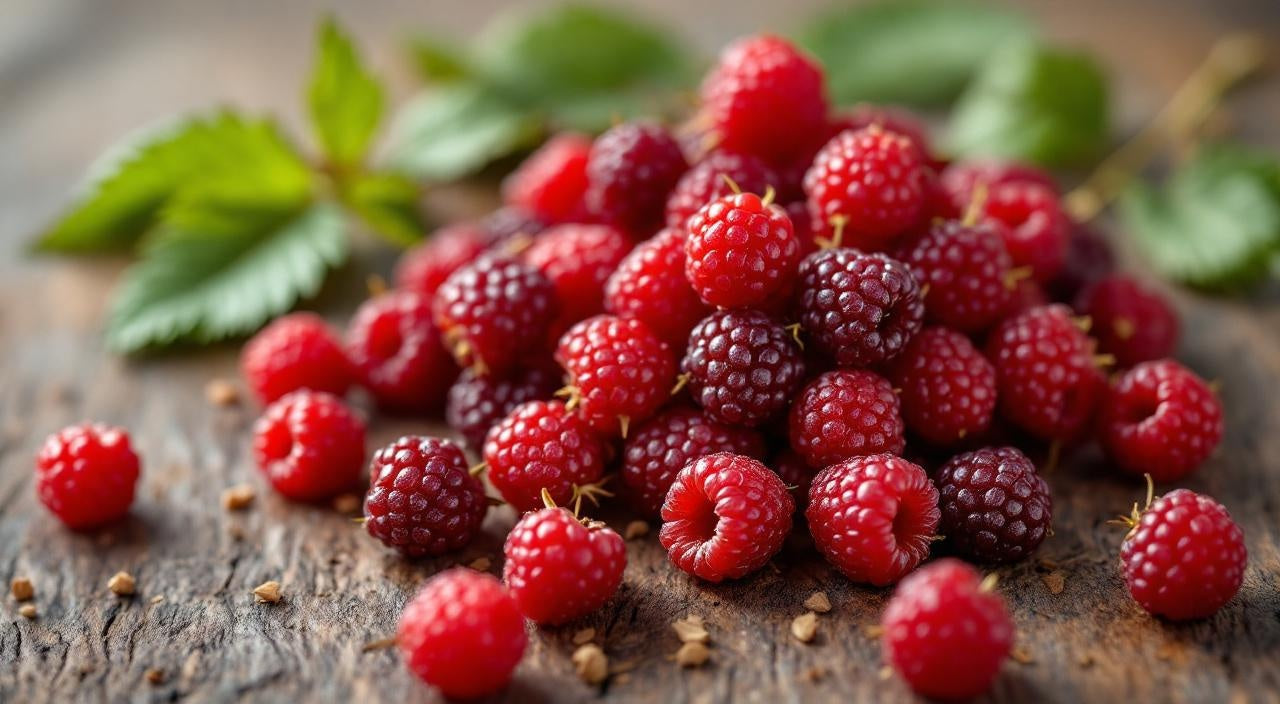
Direct clinical research on Queen Palm Fruit (Syagrus romanzoffiana) specifically investigating its health benefits in humans is very limited. The current understanding of 'palm fruit' bioactives largely stems from in vitro, ex vivo, and in vivo (rodent) studies on distinct oil palm fruit extracts (PFBc, WSPFE), which demonstrate potential for attenuating inflammation, improving antioxidant status, and immune modulation. While traditional uses and existing claims suggest benefits for skin health, immune function, and digestion, these require specific clinical validation for Queen Palm Fruit itself, as the research primarily focuses on extracts from Elaeis guineensis.

Origin
The fruit of *Syagrus romanzoffiana*, commonly known as Queen Palm, is native to South America, particularly Brazil, Argentina, and Paraguay. This palm thrives in tropical and subtropical climates with well-drained soils, producing small, edible fruits valued for their sweet flavor and nutritional content.
Potential benefits
- Exhibits potent antioxidant properties due to high flavonoid and carotenoid content, reducing oxidative stress.
- Provides anti-inflammatory benefits, contributing to overall systemic wellness.
- Supports digestive health and regularity through its dietary fiber content.
- Aids in skin health by supporting cellular repair and protection, attributed to Vitamins A and C.
- Enhances immune function through its Vitamin A and C content, bolstering natural defenses.
- Contributes to overall well-being as a nutrient-dense food source.
How it works
While specific mechanisms for Queen Palm Fruit are not extensively documented, studies on oil palm fruit extracts (PFBc, WSPFE) suggest their polyphenolic compounds, including caffeoylshikimic acid isomers, contribute to their observed biological activities. These extracts have been shown to exert anti-inflammatory effects by modulating pathways such as nitric oxide synthase (iNOS), cyclooxygenase-2 (COX-2), and nuclear factor-kappa B (NF-κB). Their antioxidant properties are primarily attributed to the direct scavenging of free radicals and enhancing endogenous antioxidant defenses.
What the research says
Research highlights Queen Palm Fruit's rich profile of carotenoids and flavonoids, substantiating its potent antioxidant and anti-inflammatory properties. Studies suggest its potential benefits for skin health, immune function, and digestive wellness, aligning with its traditional uses. Further clinical investigation is needed to fully explore its therapeutic applications.
Safety and interactions
Due to the limited direct scientific research on Queen Palm Fruit (Syagrus romanzoffiana) and the specific oil palm fruit extracts (PFBc, WSPFE) referenced, comprehensive safety data, potential side effects, and established drug interactions are not adequately documented. There is no specific information regarding contraindications or safe use during pregnancy and lactation. Therefore, individuals should exercise caution and consult a healthcare professional before using Queen Palm Fruit or its extracts, particularly if pregnant, breastfeeding, or taking other medications, to avoid potential unknown risks.
Suggested use
- Historically consumed fresh, fermented into beverages, or used in jams and jellies.
- Modern applications include smoothies, functional food products, and natural flavorings.
- Can be eaten ripe and raw, or processed into preserves and juices.
- Recommended dosage: 1–2 servings per day for antioxidant and digestive support.
Frequently asked questions
What are the main health benefits attributed to Queen Palm Fruit?
Direct research on Queen Palm Fruit (Syagrus romanzoffiana) is limited. However, general 'palm fruit' research, primarily on oil palm extracts, suggests antioxidant properties due to polyphenols and anti-inflammatory effects by modulating key inflammatory pathways. Traditionally, it's also associated with digestive and skin health.
What are the primary bioactive compounds in Queen Palm Fruit?
Specific bioactive compounds for Queen Palm Fruit are not extensively characterized. Research on related oil palm fruit extracts identifies polyphenols such as caffeoylshikimic acid (3 isomers), 4-hydroxybenzoate, protocatechuic acid, caffeic acid, and catechins as key bioactive components responsible for their potential health effects.
Is there specific scientific research supporting the health benefits of Queen Palm Fruit?
Scientific research specifically on the bioactive properties and health benefits of Queen Palm Fruit (Syagrus romanzoffiana) is very limited. The available scientific literature often refers to general 'palm fruit' bioactives, which are primarily derived from oil palm (Elaeis guineensis) fruit extracts, not Queen Palm.
How does Queen Palm Fruit potentially exert its effects in the body?
Based on research concerning oil palm fruit extracts, the effects are attributed to their rich polyphenol content. These compounds contribute to antioxidant activity by scavenging free radicals and to anti-inflammatory effects by modulating inflammatory pathways like iNOS, COX-2, and NF-κB, potentially offering systemic wellness benefits.
Is Queen Palm Fruit the same as the fruit used for palm oil?
No, Queen Palm Fruit (Syagrus romanzoffiana) is distinct from the fruit used for commercial palm oil production, which primarily comes from the African Oil Palm (Elaeis guineensis). While both are palm fruits, their botanical origins and specific bioactive compositions may differ, and research on one does not directly translate to the other.
Is Queen Palm Fruit safe to take during pregnancy and breastfeeding?
While Queen Palm Fruit is nutrient-dense and contains beneficial vitamins like A and C, there is limited clinical data on its safety specifically during pregnancy and breastfeeding. Pregnant and nursing women should consult their healthcare provider before adding Queen Palm Fruit supplements to their routine, as individual sensitivities and potential interactions with prenatal vitamins may vary. Whole food sources of Queen Palm Fruit are generally considered safer than concentrated supplements during these periods.
References
- https://www.ncbi.nlm.nih.gov/search/all/?term=Queen+Palm+Fruit
- https://fdc.nal.usda.gov/fdc-app.html#/search?query=Queen+Palm+Fruit
- https://www.ncbi.nlm.nih.gov/pmc/articles/PMC7146350
- https://pubmed.ncbi.nlm.nih.gov/41830335
This article is educational and is not medical advice. Statements have not been evaluated by the FDA and are not intended to diagnose, treat, cure, or prevent any disease. Consult a healthcare professional before use.