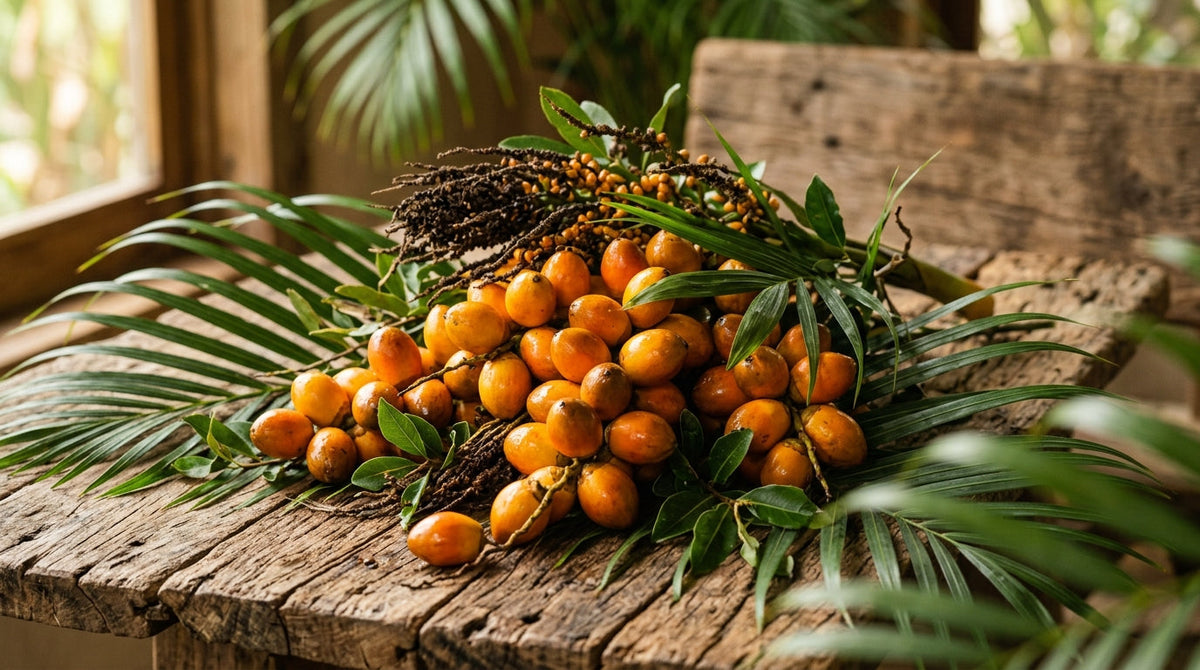
Most research on dewberries comes from in vitro and animal studies examining antioxidant capacity and anti-inflammatory effects. Small human trials with similar berries show ORAC values of 4,000-6,000 μmol TE/100g and modest improvements in inflammatory markers. Clinical evidence specifically for dried dewberries remains limited, with most benefits extrapolated from fresh berry research. Larger randomized controlled trials are needed to confirm therapeutic effects.

Origin
Dewberries are native to North America and Europe, thriving in temperate regions. They belong to the Rubus genus, closely related to blackberries.
Potential benefits
- Rich in antioxidants, dried dewberries combat oxidative stress, reducing the risk of chronic diseases. They contain flavonoids that enhance cellular repair. - High in vitamin C, dewberries boost immune function by supporting the production of antibodies. - Contains anthocyanins, which support cardiovascular health by improving blood vessel function and reducing inflammation. - Provides anti-inflammatory benefits, reducing joint pain and improving mobility in arthritis sufferers. - Supports skin health with its high content of vitamin E, which protects against UV damage and aging. - Promotes digestive health with its high fiber content, enhancing bowel regularity and nutrient absorption. - Contains ellagic acid, which has been shown to inhibit cancer cell growth in laboratory studies.
How it works
Anthocyanins in dried dewberries activate the Nrf2 pathway, upregulating antioxidant enzymes like glutathione peroxidase and catalase. Vitamin C enhances neutrophil function and stimulates interferon production for immune defense. Flavonoids like quercetin inhibit inflammatory cytokines through NF-κB pathway suppression.
What the research says
Research indicates that dewberries are rich in antioxidants, which may reduce the risk of chronic diseases. However, more studies are needed to confirm specific health benefits.
Safety and interactions
Dried dewberries are generally safe for most adults when consumed in normal food amounts. High intake may cause gastrointestinal upset due to fiber content and natural sugars. May interact with blood-thinning medications due to vitamin C content affecting iron absorption. Pregnant and breastfeeding women should limit intake due to concentrated sugar content and lack of specific safety data.
Suggested use
Consume 20-30 grams daily. Consult a healthcare provider before use.
Frequently asked questions
How much vitamin C is in dried dewberries?
Dried dewberries contain approximately 15-25mg of vitamin C per 100g serving, which is about 17-28% of the daily recommended intake. The drying process reduces vitamin C content by 60-80% compared to fresh dewberries.
What anthocyanins are found in dried dewberries?
Dried dewberries primarily contain cyanidin-3-glucoside and malvidin-3-glucoside as their main anthocyanins. These compounds provide the characteristic dark color and contribute 200-400mg per 100g of total anthocyanin content.
Can diabetics eat dried dewberries safely?
Diabetics should consume dried dewberries in moderation due to concentrated natural sugars (45-60g per 100g). The fiber content may help slow glucose absorption, but portion control to 1-2 tablespoons is recommended to avoid blood sugar spikes.
Do dried dewberries help with inflammation?
Dried dewberries contain anti-inflammatory compounds like quercetin and anthocyanins that may reduce C-reactive protein levels. However, clinical evidence is limited, with most anti-inflammatory benefits demonstrated in laboratory studies rather than human trials.
How do dried dewberries compare to other dried berries?
Dried dewberries have similar antioxidant levels to dried blueberries (ORAC 4,000-6,000) but lower vitamin C than dried goji berries. They contain more anthocyanins than dried cranberries but less fiber than dried raspberries per serving.
Are dried dewberries safe for pregnant women?
Dried dewberries are generally safe for pregnant women in moderate amounts as they provide beneficial nutrients like vitamin C and folate that support fetal development. However, pregnant women should consult their healthcare provider before adding new supplements to their diet, as individual circumstances may vary. Whole food forms are typically preferred over concentrated extracts during pregnancy.
References
This article is educational and is not medical advice. Statements have not been evaluated by the FDA and are not intended to diagnose, treat, cure, or prevent any disease. Consult a healthcare professional before use.