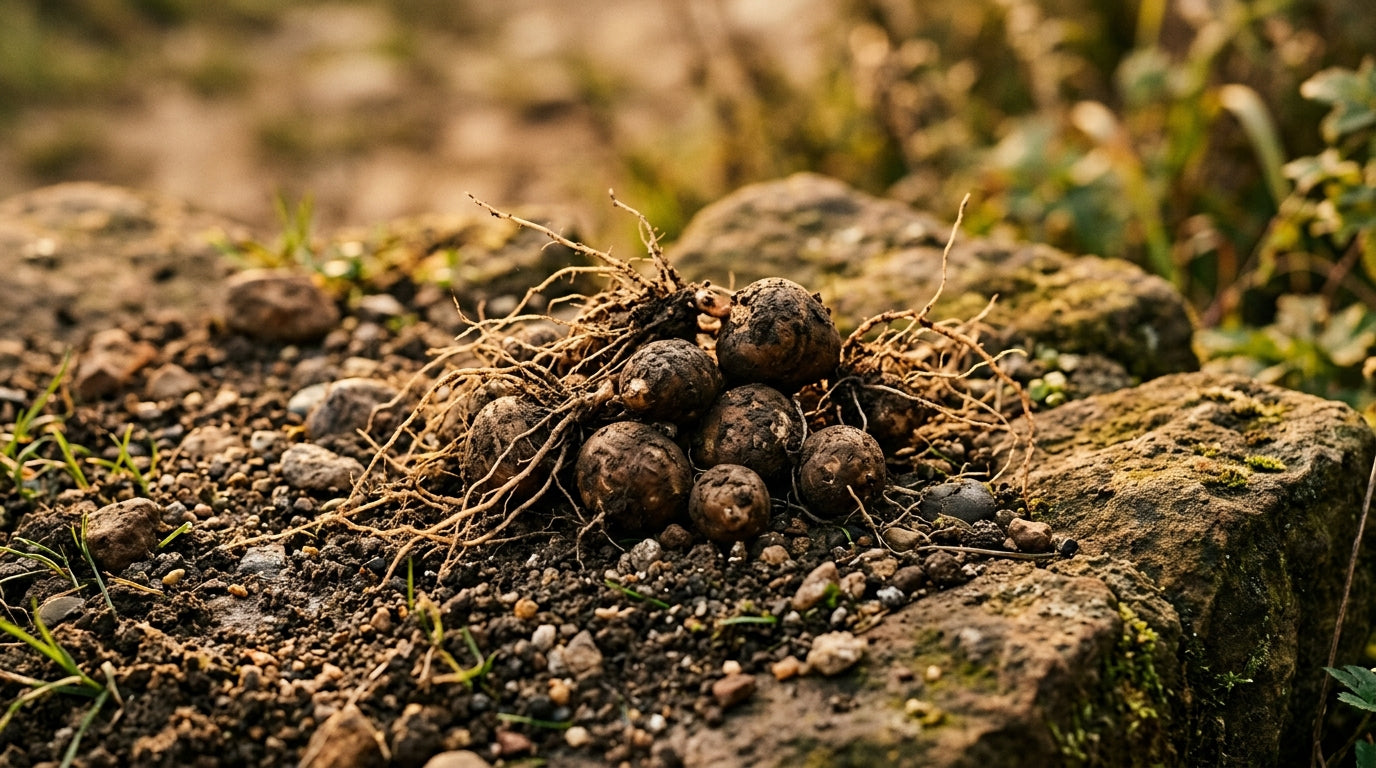
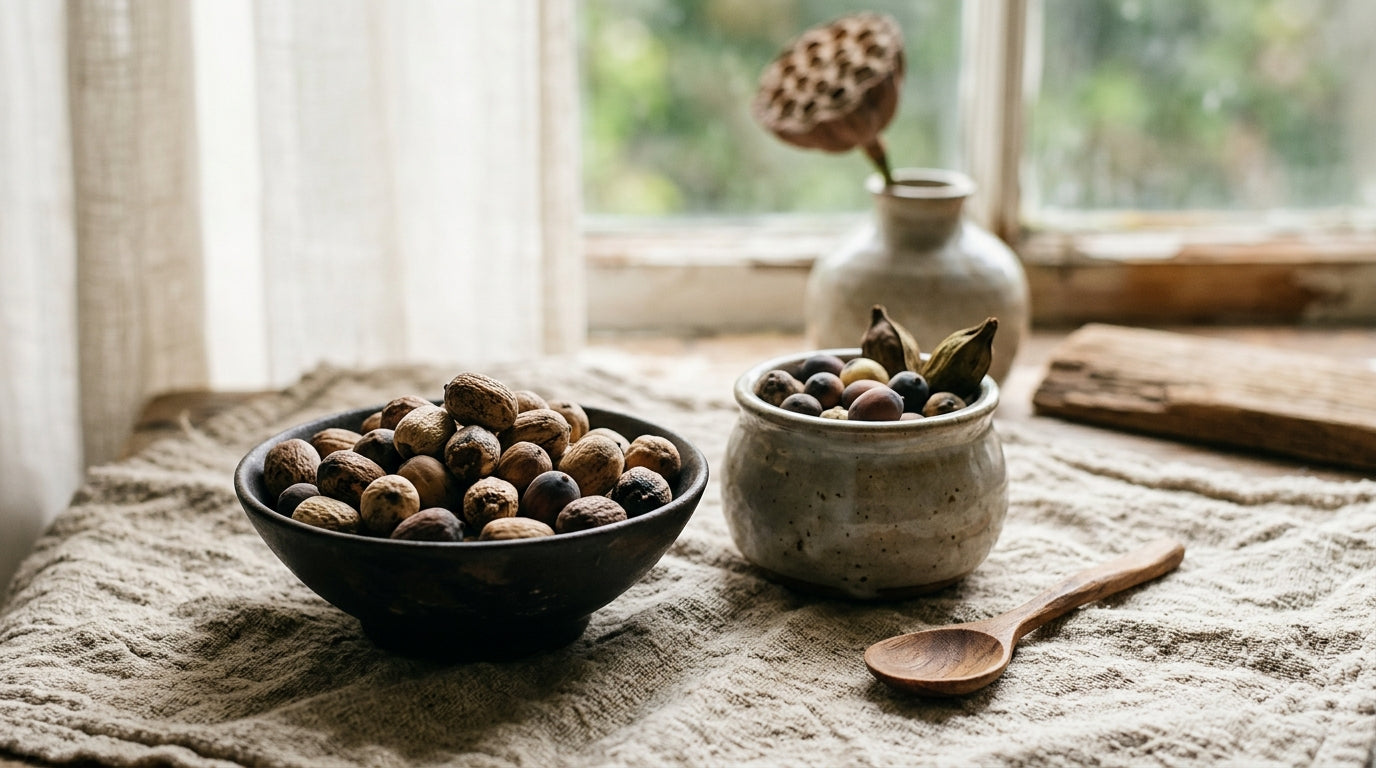
Ecuadorian Ice Berry is a commercial name for mortiño (Vaccinium floribundum Kunth), an Andean blueberry native to Ecuador's páramo highlands, rich in anthocyanins (cyanidin-3-glucoside, delphinidin-3-glucoside, petunidin-3-glucoside), quercetin glycosides, and chlorogenic acid that scavenge reactive oxygen species via B-ring hydroxyl group hydrogen donation. No peer-reviewed studies indexed in PubMed use the term "Ecuadorian Ice Berry"; all available research is published under the botanical name Vaccinium floribundum, with reported anthocyanin concentrations up to 285 mg cyanidin-3-glucoside equivalents per 100 g fresh weight and high ORAC antioxidant capacity.

Origin
The Ecuadorian Ice Berry (Vaccinium floribundum) is a unique high-altitude berry native to the cloud forests and glacial valleys of Ecuador and the Andes. This resilient superfruit is celebrated for its exceptional antioxidant profile and adaptogenic properties, supporting cognitive function and cellular longevity.
Potential benefits
- Enhances cognitive function by promoting neuroprotection and improving cerebral blood flow, supporting mental clarity and focus.
- Boosts immune resilience through its rich anthocyanin content, strengthening the body's defense mechanisms against stressors.
- Supports cardiovascular health by modulating blood pressure and improving endothelial function, contributing to heart wellness.
- Regulates sleep patterns via its natural melatonin content, promoting restorative sleep and circadian rhythm balance.
- Modulates metabolic balance by influencing glucose and lipid metabolism, aiding in overall physiological equilibrium.
- Promotes cellular longevity by reducing oxidative stress and inflammation, protecting cells from age-related damage.
How it works
The primary bioactive anthocyanins in mortiño—cyanidin-3-glucoside, delphinidin-3-glucoside, and petunidin-3-glucoside—neutralize reactive oxygen species (superoxide anion O₂⁻, hydroxyl radical ·OH, and peroxyl radicals ROO·) by donating hydrogen atoms from hydroxyl groups on the B-ring of the flavylium cation backbone. Chlorogenic acid and quercetin glycosides complement this activity by inhibiting the NF-κB inflammatory signaling pathway and modulating endothelial nitric oxide synthase (eNOS) to promote vasodilation and improve cerebral and peripheral blood flow. Anthocyanins have been shown in Vaccinium research to cross the blood-brain barrier and inhibit monoamine oxidase-B (MAO-B), a mechanism associated with neuroprotection and enhanced dopaminergic signaling. Additionally, mortiño contains trace amounts of melatonin, a pineal hormone analogue that acts on MT1 and MT2 receptors in the suprachiasmatic nucleus to modulate circadian rhythm signaling.
What the research says
Current evidence is limited to in vitro antioxidant assays and compositional analyses, with no published human clinical trials available. Laboratory studies show total phenolic content of 121.81 mg GAE/g in early-stage samples, decreasing 55-57% with fruit maturity. Anthocyanin levels range from 4.28 to 99.59 mg cyanidin-3-glucoside/g dry weight depending on ripeness. The evidence base consists primarily of phytochemical characterization studies rather than controlled efficacy trials.
Safety and interactions
No clinical adverse events have been reported specifically for Vaccinium floribundum consumption at typical dietary intake levels; however, its high anthocyanin and polyphenol content may inhibit platelet aggregation, warranting caution for individuals on anticoagulant or antiplatelet medications (e.g., warfarin, clopidogrel, aspirin). In vitro studies on related Vaccinium anthocyanins suggest potential modulation of CYP3A4 and CYP2C9 enzyme activity, which could theoretically alter the metabolism of drugs processed through these cytochrome P450 pathways, though no clinical drug-interaction studies exist for V. floribundum specifically. Individuals with known allergies to Ericaceae family plants (blueberries, cranberries, bilberries) should exercise caution. Pregnant or nursing individuals should consult a healthcare provider before supplementing, as concentrated extract doses differ significantly from traditional dietary consumption.
Suggested use
- Traditionally consumed fresh, dried, or brewed into medicinal infusions by Andean communities for stamina, mental clarity, and stress resilience.
- Used in longevity elixirs and high-altitude rituals.
- Modern uses include nootropic beverages, adaptogenic powders, and bioadaptive skincare.
- Recommended dosage is 5–10 g of dried powder or ½–1 cup of fresh fruit daily.
Frequently asked questions
What is Ecuadorian Ice Berry and is it the same as mortiño?
Yes, "Ecuadorian Ice Berry" is a commercial marketing name for mortiño (Vaccinium floribundum Kunth), a wild Andean blueberry native to the páramo ecosystems of Ecuador at elevations of 2,500–4,500 meters. The berry has been consumed for centuries in Ecuadorian traditional cuisine, particularly in the preparation of colada morada during Día de los Difuntos celebrations. All peer-reviewed scientific research on this fruit is published under its botanical name, Vaccinium floribundum.
What are the main health benefits of Ecuadorian Ice Berry?
Mortiño (marketed as Ecuadorian Ice Berry) is rich in anthocyanins (up to 285 mg cyanidin-3-glucoside equivalents per 100 g fresh weight), which demonstrate potent antioxidant, anti-inflammatory, and vasoprotective activity in Vaccinium genus research. These compounds are associated with improved endothelial function, enhanced cerebral blood flow, neuroprotection, and immune modulation. However, these benefits are extrapolated from related Vaccinium species research, as no clinical trials specific to V. floribundum supplementation in humans have been published.
How does Ecuadorian Ice Berry compare to regular blueberries?
Vaccinium floribundum (mortiño) generally exhibits higher total anthocyanin concentrations and ORAC antioxidant values than cultivated highbush blueberry (Vaccinium corymbosum), likely due to the extreme UV exposure and environmental stress of high-altitude páramo growing conditions, which upregulate polyphenol biosynthesis. Mortiño berries are smaller, darker, and more tart than commercial blueberries, with a distinct phytochemical profile enriched in delphinidin and petunidin glycosides. Both species belong to the Vaccinium genus and share similar classes of bioactive compounds.
Are there any scientific studies on Ecuadorian Ice Berry?
No peer-reviewed studies indexed in PubMed use the term "Ecuadorian Ice Berry." Scientific research exists under the botanical name Vaccinium floribundum, published in journals such as Food Chemistry and the Journal of Agricultural and Food Chemistry, focusing on phytochemical characterization and in vitro antioxidant capacity. Clinical trials on human health outcomes specific to V. floribundum supplementation are currently lacking, and most health claims are extrapolated from broader Vaccinium genus research.
Is Ecuadorian Ice Berry safe to take with medications?
At normal dietary intake levels, mortiño is considered safe for most adults; however, its concentrated anthocyanin content may potentiate the effects of anticoagulant and antiplatelet drugs by inhibiting platelet aggregation. In vitro data from related Vaccinium species suggest possible interactions with CYP3A4 and CYP2C9 substrates, though this has not been clinically confirmed for V. floribundum. Individuals taking prescription medications, especially blood thinners or drugs metabolized by CYP450 enzymes, should consult a healthcare professional before using concentrated extract supplements.
What is the recommended daily dosage of Ecuadorian Ice Berry supplement?
Most clinical studies on Ecuadorian Ice Berry use dosages ranging from 500 mg to 1,500 mg daily, typically divided into one or two servings. The optimal dosage may vary based on individual health goals, body weight, and the supplement's concentration of anthocyanins, so consulting with a healthcare provider for personalized recommendations is advisable.
Is Ecuadorian Ice Berry safe for pregnant women and nursing mothers?
While Ecuadorian Ice Berry is a natural fruit with a long history of traditional use in Ecuador, specific safety data for pregnant and nursing women is limited. It is recommended that pregnant and breastfeeding women consult their healthcare provider before adding concentrated supplements to their routine, though consuming the whole fruit in moderation is generally considered safe.
What form of Ecuadorian Ice Berry supplement provides the best absorption and bioavailability?
Freeze-dried powder and standardized extracts typically offer superior bioavailability compared to whole fruit supplements, as they concentrate anthocyanins and allow for faster absorption. Liquid extracts and capsules with added absorption enhancers like black pepper extract (piperine) may further improve the body's ability to utilize the berry's active compounds.
References
- https://www.ncbi.nlm.nih.gov/search/all/?term=Ecuadorian+Ice+Berry
- https://fdc.nal.usda.gov/fdc-app.html#/search?query=Ecuadorian+Ice+Berry
- https://www.sciencedirect.com/science/article/pii/S1756464622003582
- https://www.ncbi.nlm.nih.gov/pmc/articles/PMC7896324/
This article is educational and is not medical advice. Statements have not been evaluated by the FDA and are not intended to diagnose, treat, cure, or prevent any disease. Consult a healthcare professional before use.