Direct human clinical trials specifically evaluating the efficacy of Hairy Melon for specific health outcomes are limited. Current scientific understanding largely stems from nutritional analyses confirming its Vitamin C and water content, which support its traditional uses for hydration and antioxidant properties. Ethnobotanical evidence underscores its historical dietary and medicinal role in Asian cultures, primarily valuing its cooling and detoxifying attributes based on traditional observation rather than modern clinical endpoints.

Origin
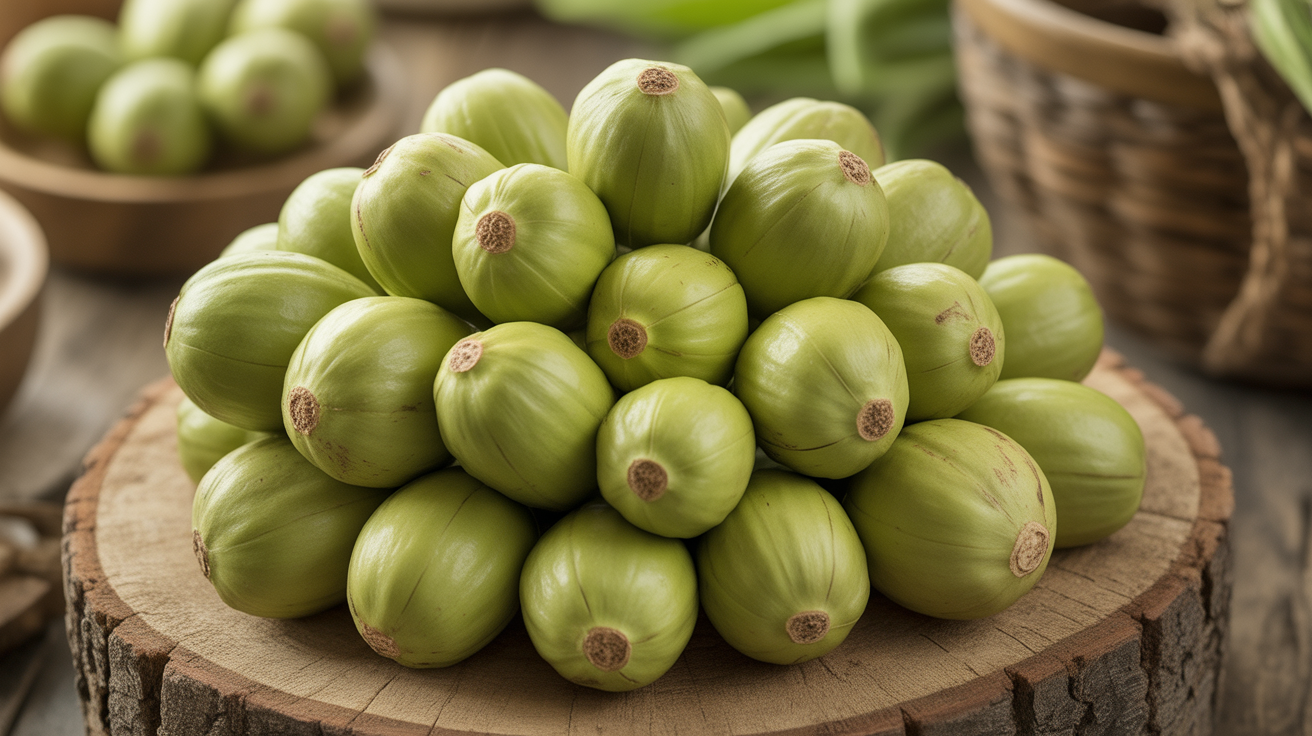
Hairy Melon (Benincasa hispida var. chieh-qua), also known as Fuzzy Melon or Moa Gwa, is believed to have originated in Indo-China and northern India, with cultivation in China dating back to at least 500 AD. It thrives in subtropical and tropical climates with fertile, well-drained soils and abundant sunlight. This immature fruit is prized for its cooling properties, hydrating nature, and gentle culinary presence, contributing to digestive and immune health.
Potential benefits
- Exhibits antioxidant activity through its high Vitamin C content, neutralizing free radicals and mitigating oxidative damage.
- Supports immune function by enhancing the body’s defense mechanisms via Vitamin C and essential micronutrients.
- Aids digestive health with dietary fiber that promotes bowel regularity and microbiome balance.
- Provides hydration and supports electrolyte balance due to its high water and potassium content.
- Contributes to weight management due to its low-calorie density and high water content.
- Supports energy metabolism through its B vitamins, aiding nervous system function.
How it works
The primary known mechanism for Hairy Melon's observed benefits relates to its high ascorbic acid (Vitamin C) content. Vitamin C acts as a potent antioxidant, directly neutralizing reactive oxygen species and free radicals to mitigate cellular oxidative damage. Beyond this, specific mechanistic pathways for other potential bioactives in Hairy Melon are not extensively characterized in scientific literature.
What the research says
Studies affirm the antioxidant and hydrating qualities of Hairy Melon, particularly attributed to its ascorbic acid content. Ethnobotanical sources highlight its relevance in both dietary and medicinal contexts within Asian cultures, emphasizing its cooling and detoxifying properties. Its nutritional profile and culinary versatility contribute to its growing recognition in global health food markets.
Safety and interactions
As a commonly consumed food vegetable, Hairy Melon is generally regarded as safe when consumed in typical dietary amounts. Specific scientific studies on adverse effects, drug interactions, or contraindications for Hairy Melon are not well-documented in clinical literature. However, individuals with known allergies to cucurbitaceae family plants should exercise caution. Due to the lack of specific research, pregnant or breastfeeding individuals should consult a healthcare professional before using it medicinally, though dietary consumption is generally considered safe.
Suggested use
- Traditionally featured in Traditional Chinese Medicine for its cooling and detoxifying effects, used to reduce internal heat and support digestion.
- Commonly cooked in broths, stews, and stir-fries in Asian cuisine.
- Modern usage embraces its low-calorie density and versatility in health-conscious, vegan, and functional recipes.
- Dosage: Incorporate generously into daily meals as a hydrating and nutrient-rich vegetable.
Frequently asked questions
What are the primary health benefits of Hairy Melon?
Hairy Melon is primarily valued for its high water content, providing significant hydration. It also contains Vitamin C, contributing to antioxidant activity, and dietary fiber, which supports healthy digestion and gut function.
How does Hairy Melon differ from Bitter Melon?
Hairy Melon (Benincasa hispida var. chieh-qua) is a mild-flavored cucurbit vegetable distinct from Bitter Melon (Momordica charantia). While both are gourds, Bitter Melon is known for its intense bitter taste and extensive research into specific bioactive compounds, which is not the case for Hairy Melon.
Is Hairy Melon good for weight management?
Yes, Hairy Melon can be beneficial for weight management due to its high water content and low calorie count. Its dietary fiber also promotes satiety, helping to reduce overall food intake, making it a healthy addition to a balanced diet.
What are the traditional uses of Hairy Melon?
In traditional Asian cultures, Hairy Melon is widely used in both culinary and medicinal contexts. It is ethnobotanically valued for its perceived cooling and detoxifying properties, often incorporated into soups and dishes to balance body heat.
Are there any specific bioactive compounds in Hairy Melon?
While Hairy Melon is rich in Vitamin C, which provides antioxidant benefits, specific bioactive compounds beyond general nutritional components are not extensively studied or isolated for this particular variety. Research into other cucurbit bioactives primarily focuses on distinct plants like bitter melon.
Can Hairy Melon be consumed daily, and what is a typical serving size?
Hairy Melon can be safely consumed daily as part of a balanced diet, with a typical serving size of 1-2 cups of fresh melon or one whole fruit depending on size. Since it is primarily water and fiber with minimal caloric density, daily consumption supports hydration and digestive health without risk of overconsumption. Individual intake may vary based on dietary goals and digestive tolerance, particularly for those new to high-fiber foods.
References
This article is educational and is not medical advice. Statements have not been evaluated by the FDA and are not intended to diagnose, treat, cure, or prevent any disease. Consult a healthcare professional before use.