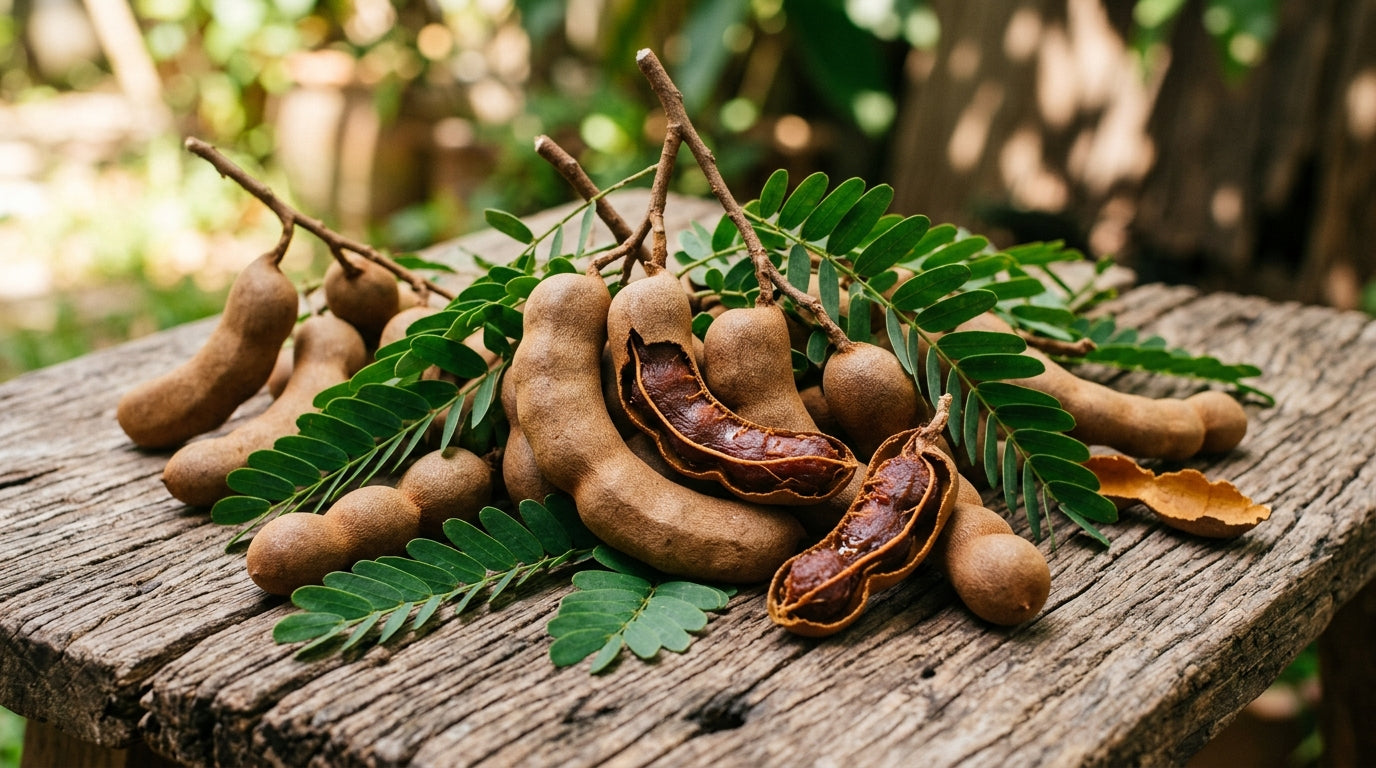
Sapodilla fruit (Manilkara zapota) contains high concentrations of phenolic compounds and flavonoids that inhibit TNF-α release in human PBMC cells dose-dependently (10-40 mg/mL), comparable to hydrocortisone. The fruit's quercetin and gallic acid content inhibits inflammatory enzymes including 5-LOX (IC50=4.851 μg/mL) and COX-2 while blocking NF-κB signaling pathways.

Origin
Sapotillo (Manilkara zapota) is a tropical fruit native to the lowlands and forested foothills of Mexico, Guatemala, and Colombia. It thrives in warm, humid climates and is valued for its sweet, caramel-like flavor and nutrient density. This fruit is a cherished ingredient in traditional diets, contributing to vitality, beauty, and gut balance.
Potential benefits
- Supports immune function through its rich vitamin C content, enhancing cellular defense.
- Enhances digestion by providing dietary fiber, promoting bowel regularity and gut health.
- Promotes skin and hair health with vitamins A and C, supporting collagen production and cellular regeneration.
- Regulates blood sugar levels, contributing to metabolic balance and sustained energy.
- Improves cardiovascular function by supporting healthy circulation and nutrient delivery.
- Provides sustained energy through natural sugars and essential nutrients, boosting overall vitality.
How it works
Sapodilla's phenolic compounds, particularly gallic acid (up to 126 mg GAE/100g), and flavonoids like quercetin inhibit pro-inflammatory pathways by blocking TNF-α release in LPS-activated human PBMC cells. These bioactives suppress 5-LOX and COX-2 enzymes, prevent NF-κB nuclear translocation, and reduce PGE2 synthesis. The fruit's vitamin C and phenolics scavenge reactive oxygen species while activating Nrf2/HO1/SOD antioxidant pathways.
What the research says
Clinical evidence remains limited to one preliminary human trial in elderly subjects showing increased total antioxidant capacity and vitamin levels with decreased nitric oxide after fresh sapodilla consumption. Animal studies demonstrate 92.75% paw edema reduction at 6 hours, outperforming diclofenac 100 mg/kg. In vitro studies show dose-dependent TNF-α inhibition in human immune cells (10-40 mg/mL extract). Large randomized controlled trials are needed to establish clinical efficacy and optimal dosing protocols.
Safety and interactions
No major safety concerns, drug interactions, or contraindications are reported in current studies, with extracts showing low cytotoxicity profiles. However, the fruit's glucocorticoid-like TNF-α inhibition suggests potential caution with immunosuppressive medications, though this interaction remains untested. High phenolic and flavonoid content may theoretically affect one-carbon metabolism drugs like methotrexate through folate pathway modulation. Safety in pregnancy, lactation, and pediatric populations has not been established through formal studies.
Suggested use
- Common Forms: Traditionally consumed fresh, mashed in tonics, or sun-dried and powdered.
- Modern Applications: Incorporated into smoothies, skincare products, functional snacks, and wellness supplements.
- Dosage: 1–2 servings of fresh fruit or 500–1000 mg of powdered extract daily for vitality and gut support.
Frequently asked questions
What are the main bioactive compounds in sapodilla fruit?
Sapodilla contains phenolic compounds (up to 126 mg GAE/100g), flavonoids like quercetin (90 mg QCE/100g in peel extracts), and vitamins A, C, and E. The highest concentrations of bioactives are found in peels and seeds rather than pulp.
How does sapodilla fruit reduce inflammation?
Sapodilla's gallic acid and quercetin inhibit inflammatory enzymes 5-LOX and COX-2, block NF-κB signaling, and reduce TNF-α release in immune cells. Animal studies show 92.75% reduction in inflammatory edema, exceeding standard anti-inflammatory drugs.
Is there clinical evidence for sapodilla's health benefits?
Human clinical data is limited to one small trial in elderly subjects showing increased antioxidant capacity and vitamin levels. Most evidence comes from in vitro studies and animal models, requiring larger randomized trials for clinical validation.
What parts of sapodilla contain the most beneficial compounds?
Peels contain the highest phenolic content (126 mg GAE/100g) and flavonoids (90 mg QCE/100g), followed by seeds (65.3 mg GAE/100g phenolics). These residual parts show stronger antioxidant activity than the edible pulp.
Are there any safety concerns with consuming sapodilla?
Current studies report no major safety concerns or adverse effects in human trials. However, its anti-inflammatory effects may theoretically interact with immunosuppressive drugs, and safety data for pregnancy and children is lacking.
Is sapotillo fruit safe for people with diabetes or those managing blood sugar?
Sapotillo fruit contains compounds that help regulate blood sugar levels and has a moderate glycemic index, making it suitable for people managing diabetes when consumed in appropriate portions. However, individuals with diabetes should monitor their intake as the fruit does contain natural sugars, and it's advisable to consult with a healthcare provider before adding it to a diabetes management plan.
Can sapotillo fruit interact with blood pressure or heart medications?
While sapotillo fruit supports cardiovascular health through its nutrient profile, it does not have documented direct interactions with common blood pressure or heart medications. However, because it may have mild blood sugar and blood pressure effects, individuals taking cardiovascular medications should inform their healthcare provider before consuming sapotillo supplements regularly.
Is fresh sapotillo fruit more beneficial than sapotillo extract or powder supplements?
Fresh sapotillo fruit retains the full spectrum of fiber, vitamins, and bioactive compounds in their natural matrix, which may enhance absorption and provide synergistic benefits compared to extracts. Powders and extracts offer concentrated bioactive compounds and convenient dosing, but may lack the dietary fiber and nutrient complexity of whole fruit, making them suitable for different supplementation goals.
References
- https://www.ncbi.nlm.nih.gov/search/all/?term=Sapotillo+Fruit
- https://fdc.nal.usda.gov/fdc-app.html#/search?query=Sapotillo+Fruit
- https://pubmed.ncbi.nlm.nih.gov/31940218
- https://www.sciencedirect.com/science/article/pii/S0308814619303721
- https://www.ncbi.nlm.nih.gov/pmc/articles/PMC7039493/
This article is educational and is not medical advice. Statements have not been evaluated by the FDA and are not intended to diagnose, treat, cure, or prevent any disease. Consult a healthcare professional before use.