Indian Kudzu (Pueraria tuberosa) contains puerarin (8.31%), daidzein (1.70%), and genistein (1.37%) as primary isoflavonoids that function as DPP-IV inhibitors and GLP-1 receptor agonists, modulating glucose homeostasis, lipid metabolism, and NF-κB-mediated inflammation. A comprehensive pharmacological review confirmed puerarin's cardioprotective, neuroprotective, antioxidant, and anti-diabetic properties across multiple preclinical models (Zhou YX et al., Phytother Res, 2014; PMID 24339367).

Origin
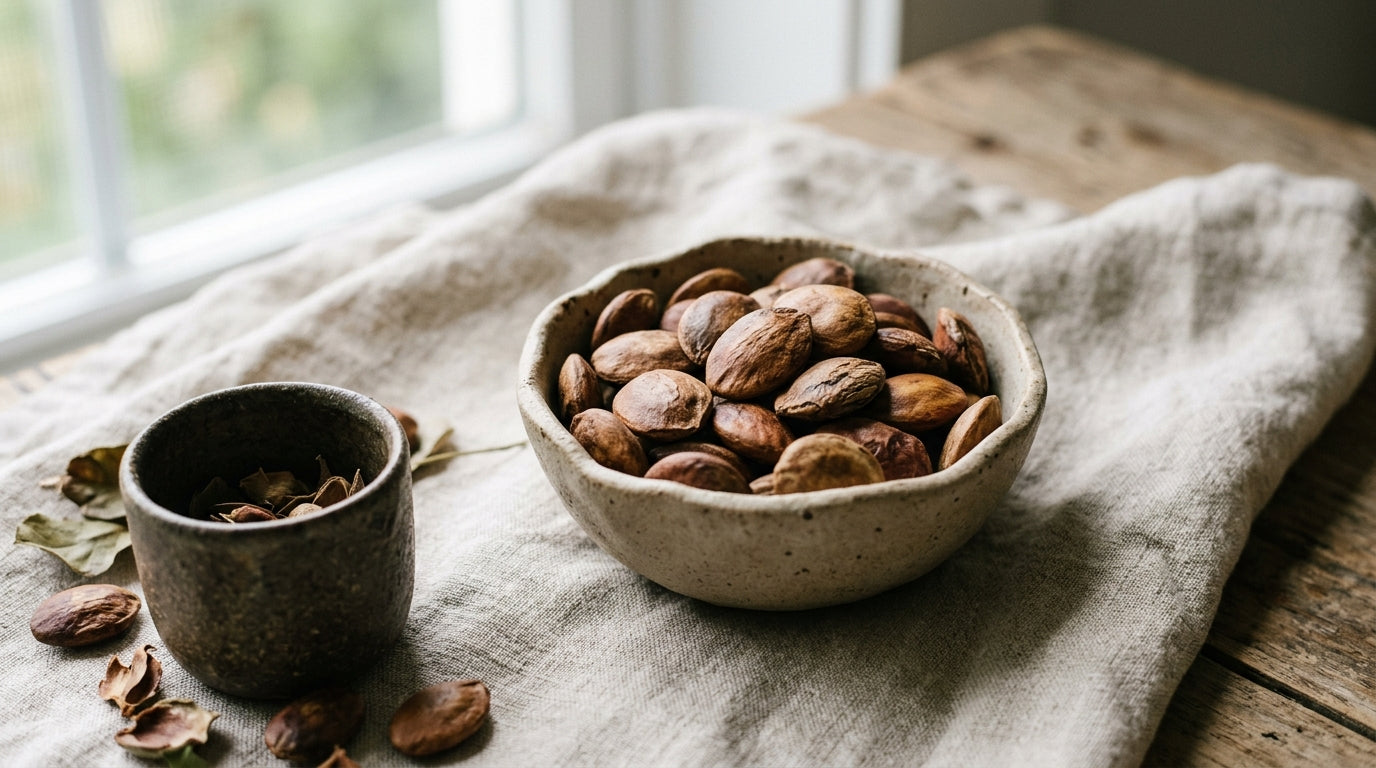
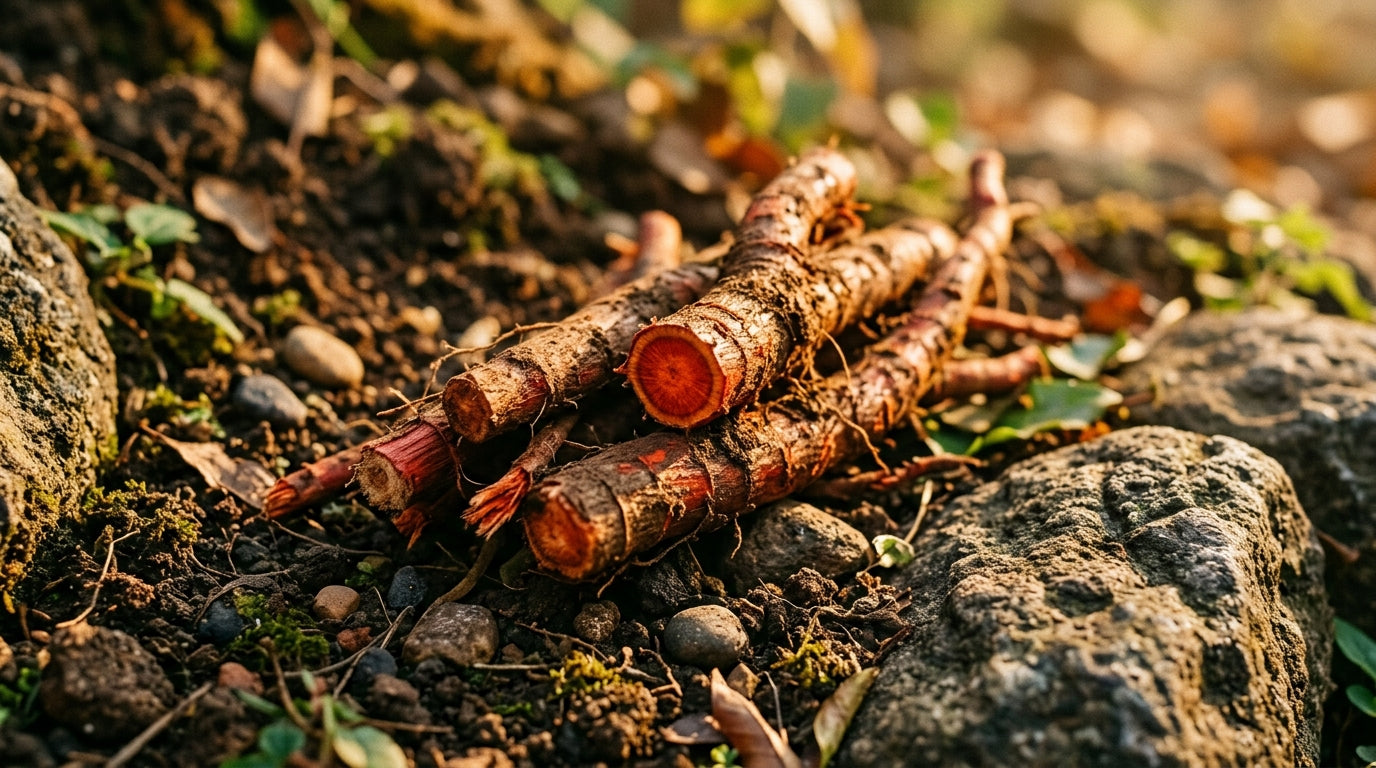
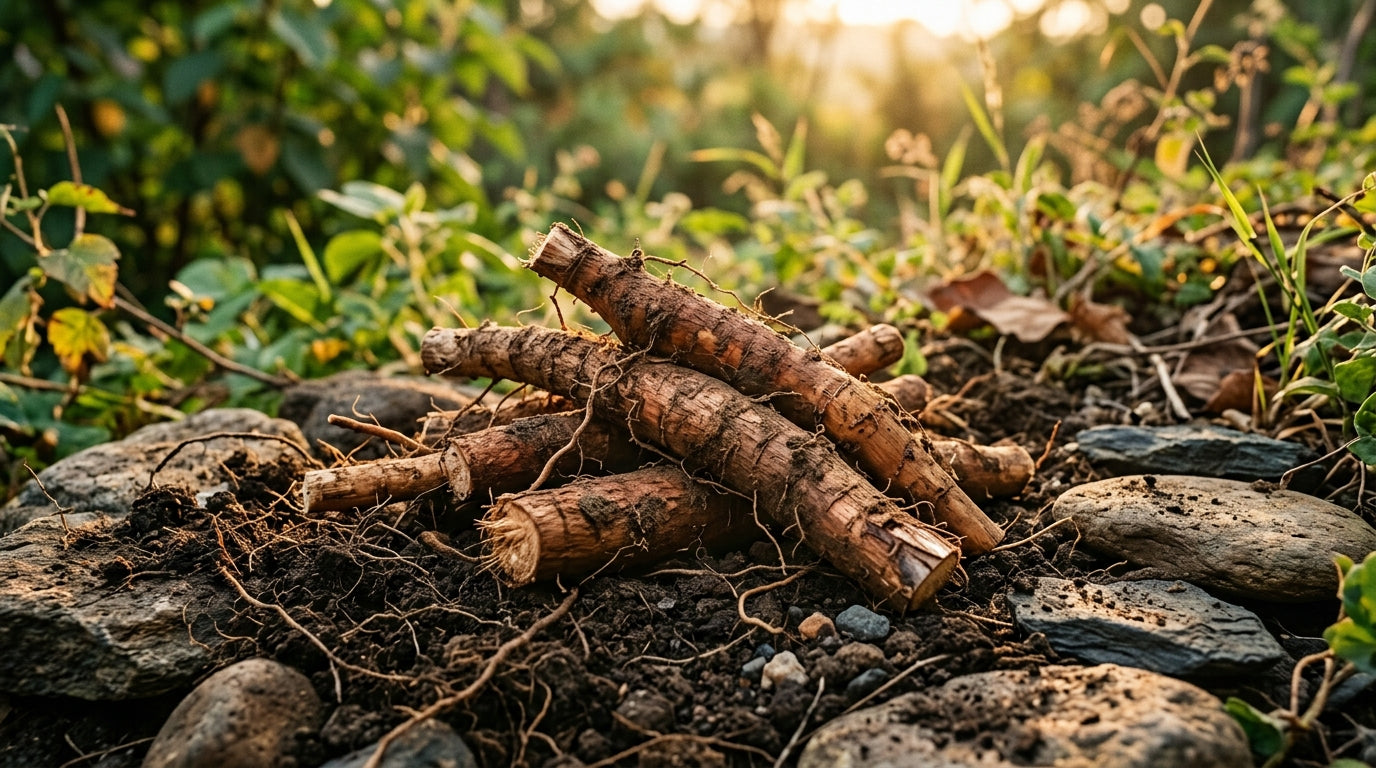
Indian Kudzu (Pueraria tuberosa) is a perennial vine native to the Indian subcontinent, thriving in tropical and subtropical climates. Its starchy tubers are traditionally valued for their adaptogenic and rejuvenating properties, making it a significant botanical in functional wellness.
Potential benefits
- Supports hormonal balance, particularly with phytoestrogens like puerarin and daidzein.
- Enhances cardiovascular health by modulating lipid profiles and supporting arterial function.
- Protects against oxidative stress through its rich content of isoflavonoids and antioxidants.
- Supports cognitive function by reducing neuroinflammation and promoting neural protection.
- Aids digestive wellness by modulating gut microbiota and supporting mucosal integrity.
- Contributes to stress resilience through adaptogenic properties, helping the body cope with various stressors.
How it works
Puerarin and its co-occurring isoflavonoids daidzein and genistein inhibit dipeptidyl peptidase-IV (DPP-IV), prolonging incretin GLP-1 half-life and enhancing GLP-1 receptor signaling, which reduces pancreatic β-cell apoptosis and improves insulin secretion and glucose homeostasis. These compounds concurrently suppress sodium-glucose cotransporter 2 (SGLT2) activity, inhibit protein-tyrosine phosphatase 1B (PTP1B), and block alpha-glucosidase to attenuate postprandial hyperglycemia (Wong KH et al., 2011; PMID 21315814). Puerarin further downregulates NF-κB nuclear translocation, reducing TNF-α, IL-6, and COX-2 expression, while simultaneously activating the Nrf2/ARE pathway to upregulate endogenous antioxidant enzymes including superoxide dismutase (SOD) and glutathione peroxidase (GPx) (Zhou YX et al., 2014; PMID 24339367). Network pharmacology analyses confirm that kudzu isoflavonoids engage estrogen receptor-α, PI3K-Akt, and MAPK/ERK signaling cascades, explaining their pleiotropic effects on bone density, cardiovascular protection, and neuroprotection (Liu ZW et al., 2025; PMID 39940967).
What the research says
Current evidence for Indian Kudzu remains primarily preclinical, with no published human clinical trials providing quantitative outcomes. Animal studies demonstrate glucose-lowering effects in STZ-induced diabetic rats through DPP-IV inhibition and immune system enhancement via isoflavonoid content. Nephroprotective effects have been observed in animal models, showing reduced DNA damage and cellular necrosis through antioxidant mechanisms. Human clinical trials with specific dosages, participant numbers, and measured outcomes like HbA1c reduction are needed to validate these preliminary findings.
Safety and interactions
Indian Kudzu isoflavonoids, particularly puerarin and daidzein, may potentiate the effects of anticoagulant and antiplatelet medications (e.g., warfarin, aspirin) due to their vasodilatory and mild blood-thinning properties, warranting clinical monitoring. The phytoestrogenic activity of daidzein and genistein may interfere with hormone-sensitive conditions and tamoxifen or aromatase inhibitor therapy; individuals with estrogen receptor-positive cancers should consult an oncologist before use. In vitro evidence suggests puerarin may modulate CYP1A2 and CYP3A4 enzyme activity, potentially altering the metabolism of drugs such as theophylline, certain statins, and benzodiazepines. Hypoglycemic medications (metformin, sulfonylureas, insulin) should be co-administered cautiously as kudzu isoflavonoids may additively lower blood glucose levels.
Suggested use
- Traditional Forms: Consumed as decoctions, powders, or herbal preparations in Ayurvedic medicine.
- Modern Forms: Available as powdered extracts, capsules, and tinctures in adaptogenic supplements.
- Dosage: Typically 500-1000 mg of standardized extract daily, or as directed by a healthcare practitioner.
- Timing: Often taken daily to support long-term hormonal and adaptogenic benefits.
Frequently asked questions
How much Indian Kudzu should I take daily for best results?
The typical recommended dose of Indian Kudzu (Pueraria tuberosa) standardized extract is 500–1000 mg per day, taken consistently to support long-term hormonal, adaptogenic, and metabolic benefits. Traditional Ayurvedic preparations used decoctions and powders, while modern formulations come as capsules or tinctures. Because potency varies by standardization level—particularly for puerarin content—it is advisable to follow product-specific labeling or consult a healthcare practitioner, especially if managing blood sugar or cardiovascular conditions.
Can Indian Kudzu help balance hormones naturally?
Indian Kudzu contains phytoestrogens—primarily puerarin, daidzein, and genistein—that bind to estrogen receptors and exert mild estrogenic activity. This mechanism may help modulate hormonal fluctuations associated with menopause or hormonal imbalance. Daidzein and genistein are well-characterized phytoestrogens with demonstrated receptor-binding activity in preclinical models. While promising, clinical evidence in humans remains limited, and individuals with hormone-sensitive conditions should consult a doctor before use.
Does Indian Kudzu reduce inflammation?
Yes, preclinical evidence indicates that puerarin, the primary isoflavonoid in Indian Kudzu, suppresses inflammation by downregulating NF-κB nuclear translocation, which reduces pro-inflammatory cytokines such as TNF-α. This mechanism was highlighted in a comprehensive review by Zhou YX et al. (Phytother Res, 2014; PMID 24339367). By interrupting this central inflammatory signaling pathway, Indian Kudzu may support conditions driven by chronic low-grade inflammation, though human clinical trials are still needed to confirm these effects.
Is Indian Kudzu safe to take with diabetes medications?
Indian Kudzu's isoflavonoids act via multiple glucose-lowering mechanisms—DPP-IV inhibition, SGLT2 suppression, PTP1B inhibition, and alpha-glucosidase blockade—which closely overlap with the mechanisms of common diabetes drugs. Combining it with medications like metformin, DPP-IV inhibitors, or SGLT2 inhibitors could potentially enhance glucose-lowering effects and increase hypoglycemia risk. Always consult your healthcare provider before adding Indian Kudzu to a diabetes management regimen, and monitor blood glucose levels closely.
What are the side effects of Indian Kudzu?
Indian Kudzu is generally considered well-tolerated at traditional and supplemental doses, but specific safety data in humans is limited. Due to its phytoestrogenic activity, individuals with hormone-sensitive conditions such as estrogen-receptor-positive cancers, endometriosis, or uterine fibroids should exercise caution. Potential concerns include gastrointestinal discomfort and interactions with blood-sugar-lowering medications. Long-term safety data from robust clinical trials is currently lacking, so use under professional supervision is recommended, particularly for vulnerable populations.
Can Indian Kudzu support heart health?
Indian Kudzu demonstrates cardioprotective properties through its isoflavonoid content, particularly puerarin, which helps modulate lipid profiles, improve arterial function, and reduce oxidative stress on vascular tissue. Wong KH et al. (2011; PMID 21315814) documented isoflavonoid-mediated improvements in insulin sensitivity and vascular function. Additionally, puerarin's anti-inflammatory activity via NF-κB suppression may reduce inflammation-driven cardiovascular risk. These effects are well-supported preclinically, though large-scale human cardiovascular outcome trials are still needed.
Does Indian Kudzu have any cognitive or brain health benefits?
Preclinical research suggests Indian Kudzu may support cognitive function through puerarin's neuroprotective properties, including reduction of neuroinflammation and protection against oxidative stress-induced neuronal damage. The landmark review by Zhou YX et al. (Phytother Res, 2014; PMID 24339367) identified neuroprotective activity as one of puerarin's core pharmacological profiles. The NF-κB inhibitory action also limits inflammatory cascades that contribute to neurodegenerative processes. Human clinical studies specifically targeting cognition are limited and represent an area requiring further investigation.
How does Indian Kudzu work as an adaptogen?
Indian Kudzu is used in Ayurvedic medicine as an adaptogen, meaning it is believed to help the body maintain homeostasis under physical and psychological stress. Its antioxidant isoflavonoids—puerarin, daidzein, and genistein—reduce oxidative burden that typically rises under chronic stress. Additionally, its anti-inflammatory mechanisms via NF-κB suppression may blunt stress-induced inflammatory responses. While the adaptogenic classification is rooted in traditional use and supported by its broad antioxidant and anti-inflammatory pharmacology, dedicated human stress-response clinical trials remain limited.
What are the main health benefits of Indian Kudzu root?
Indian Kudzu root provides evidence-based support for blood sugar regulation, cardiovascular health, antioxidant defense, and hormonal balance through its isoflavonoids puerarin, daidzein, and genistein. A comprehensive review in Phytotherapy Research documented puerarin's cardioprotective, anti-diabetic, neuroprotective, and anti-inflammatory activities in preclinical models (PMID 24339367). Traditional use and modern pharmacological analysis also support benefits for digestive wellness and stress resilience (PMID 21315814).
How does Indian Kudzu help with blood sugar and diabetes?
Puerarin and related isoflavonoids inhibit DPP-IV, PTP1B, alpha-glucosidase, and SGLT2 — four key enzymatic targets involved in glucose absorption and insulin signaling. Wong KH et al. (2011) reviewed evidence showing kudzu root improved insulin sensitivity and glucose tolerance in diabetic animal models (PMID 21315814). These multi-target mechanisms suggest Indian Kudzu may complement conventional diabetes management, though human clinical trials are still needed.
References
- https://www.ncbi.nlm.nih.gov/search/all/?term=Indian+Kudzu
- https://fdc.nal.usda.gov/fdc-app.html#/search?query=Indian+Kudzu
- https://www.sciencedirect.com/science/article/pii/S1878535219300827
- https://www.ncbi.nlm.nih.gov/pmc/articles/PMC7375731/
This article is educational and is not medical advice. Statements have not been evaluated by the FDA and are not intended to diagnose, treat, cure, or prevent any disease. Consult a healthcare professional before use.