Current evidence for Ligustrum lucidum comes primarily from animal and cell culture studies rather than human clinical trials. Animal studies suggest potential benefits for osteoarthritis pain reduction and cartilage protection, while laboratory studies show anti-cancer activity against glioma and liver cancer cell lines. The preliminary nature of this research means human efficacy and optimal dosing remain unestablished. More robust clinical trials are needed to validate therapeutic applications.

Origin
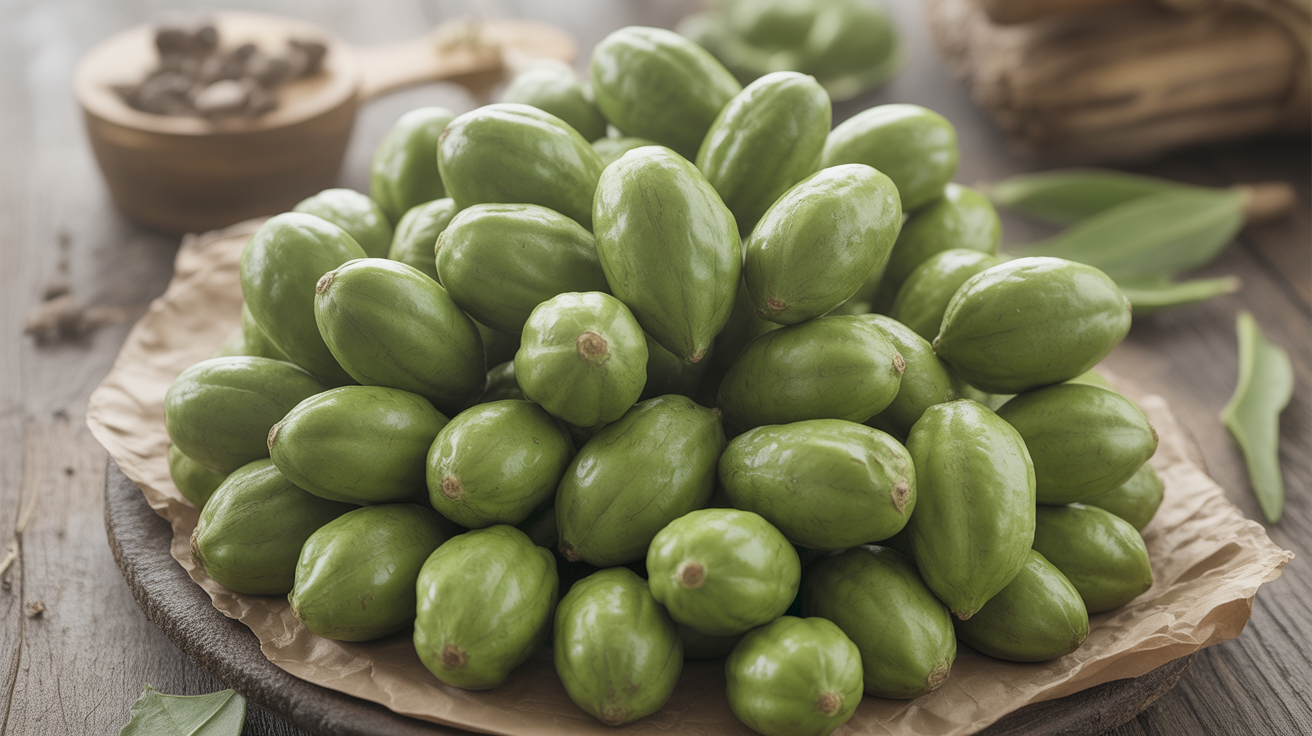
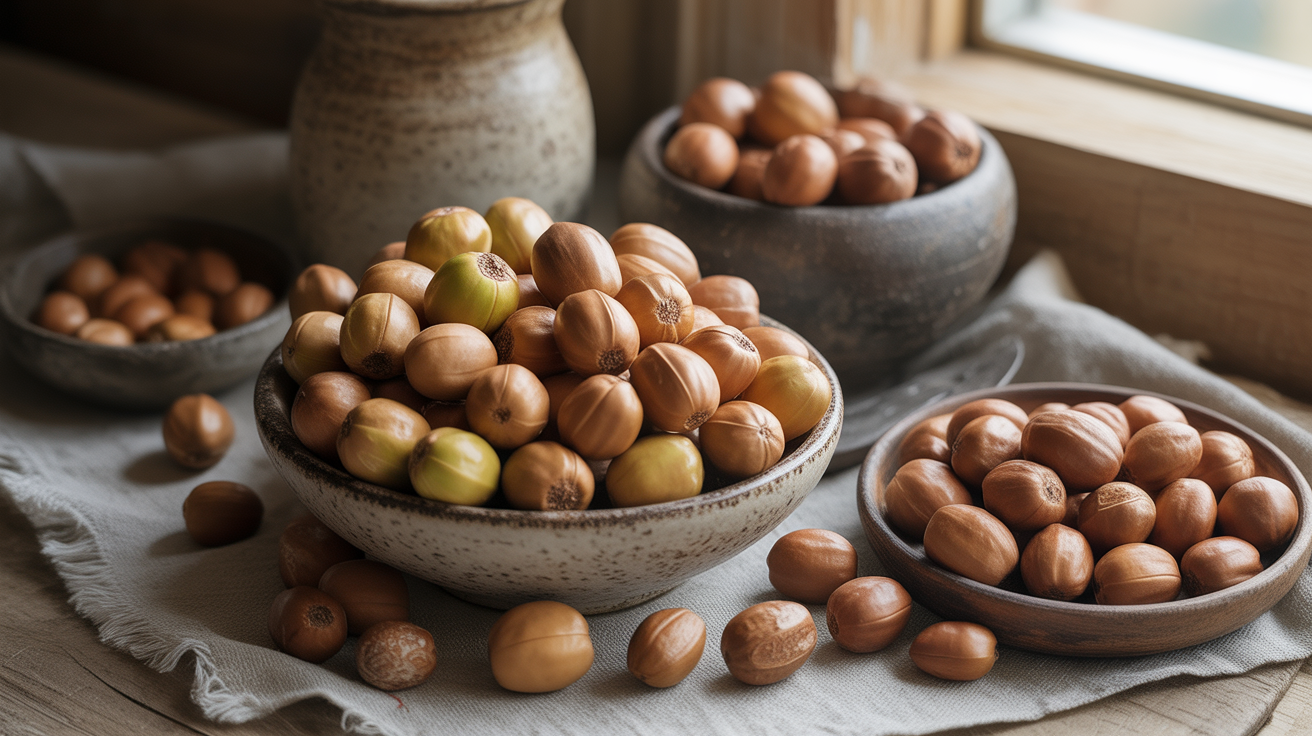
Ligustrum lucidum, known as Nü-zhen-zi or glossy privet fruit, is the mature fruit of a deciduous shrub native to East Asia. The fruit is harvested in autumn, dried, and traditionally processed via wine-steaming or salt-steaming methods to enhance its pharmacodynamics for treating kidney-yin deficiency conditions.
Potential benefits
• May support joint health and reduce pain in osteoarthritis (preliminary evidence from animal studies showing reduced pain hypersensitivity and improved cartilage markers) • Potential anti-cancer properties against glioma and hepatocellular carcinoma (preliminary evidence from cell and animal studies showing tumor growth inhibition) • May help restore kidney-yin balance and metabolic function (preliminary evidence from rat studies showing normalized cAMP/cGMP ratios) • Possible immune system support through enhanced lymphocyte proliferation (preliminary evidence from in vitro studies) • May reduce neuroinflammation through TLR4 pathway modulation (preliminary evidence from preclinical depression models)
How it works
Ligustrum lucidum's oleanolic acid and ligustroside compounds inhibit inflammatory mediators including NF-κB and cyclooxygenase pathways. The herb's triterpene saponins modulate immune responses and may suppress tumor cell proliferation through apoptosis induction and cell cycle arrest mechanisms.
What the research says
No human clinical trials, RCTs, or meta-analyses have been conducted on Ligustrum lucidum. Current evidence is limited to preclinical animal and in vitro studies, including research on osteoarthritis in rats, glioma xenograft mice models, and hepatocellular carcinoma cell lines (PMID: 25017491).
Safety and interactions
Ligustrum lucidum is generally considered safe when used appropriately in traditional preparations, but comprehensive safety data is limited. Potential side effects may include gastrointestinal upset and allergic reactions in sensitive individuals. The herb may interact with immunosuppressive medications due to its immune-modulating properties. Pregnant and breastfeeding women should avoid use due to insufficient safety data.
Suggested use
No clinically studied human dosages exist. Preclinical studies used: methanol extract 50-100 mg/kg (animal studies) or 1-30 mg/mL (in vitro); aqueous extract 100 μg/mL intra-articular or 50-800 μg/mL (in vitro); supercritical CO₂ extract 5-100 mg/L (in vitro). Consult a healthcare provider before starting any new supplement.
Frequently asked questions
What are the active compounds in Ligustrum lucidum?
The primary bioactive compounds include oleanolic acid, ligustroside, and various triterpene saponins. These compounds are responsible for the herb's anti-inflammatory and potential therapeutic effects.
How much Ligustrum lucidum should I take daily?
No standardized human dosage has been established through clinical trials. Traditional Chinese Medicine typically uses 6-15 grams of dried herb daily, but consultation with a qualified practitioner is recommended for appropriate dosing.
Can Ligustrum lucidum help with arthritis pain?
Animal studies suggest potential benefits for osteoarthritis through reduced pain sensitivity and improved cartilage markers. However, human clinical trials are needed to confirm these effects and determine effective dosages for arthritis management.
Is Ligustrum lucidum safe to take with medications?
The herb may interact with immunosuppressive drugs due to its immune-modulating properties. Always consult healthcare providers before combining with prescription medications, especially those affecting immune function or blood clotting.
What's the difference between Ligustrum lucidum and other Ligustrum species?
Ligustrum lucidum (Glossy Privet) contains higher concentrations of oleanolic acid compared to other species like Ligustrum vulgare. This specific species is the one traditionally used in Chinese medicine for its therapeutic properties.
Is Ligustrum lucidum safe during pregnancy and breastfeeding?
Ligustrum lucidum should be avoided during pregnancy and breastfeeding due to insufficient safety data in these populations. Traditional use suggests it may affect hormone levels and uterine function, making it prudent to consult a healthcare provider before use if you are pregnant, planning pregnancy, or nursing.
References
- https://pubmed.ncbi.nlm.nih.gov/?term=ligustrum+lucidum
- https://pubmed.ncbi.nlm.nih.gov/25017491
- https://pubmed.ncbi.nlm.nih.gov/40803605
This article is educational and is not medical advice. Statements have not been evaluated by the FDA and are not intended to diagnose, treat, cure, or prevent any disease. Consult a healthcare professional before use.