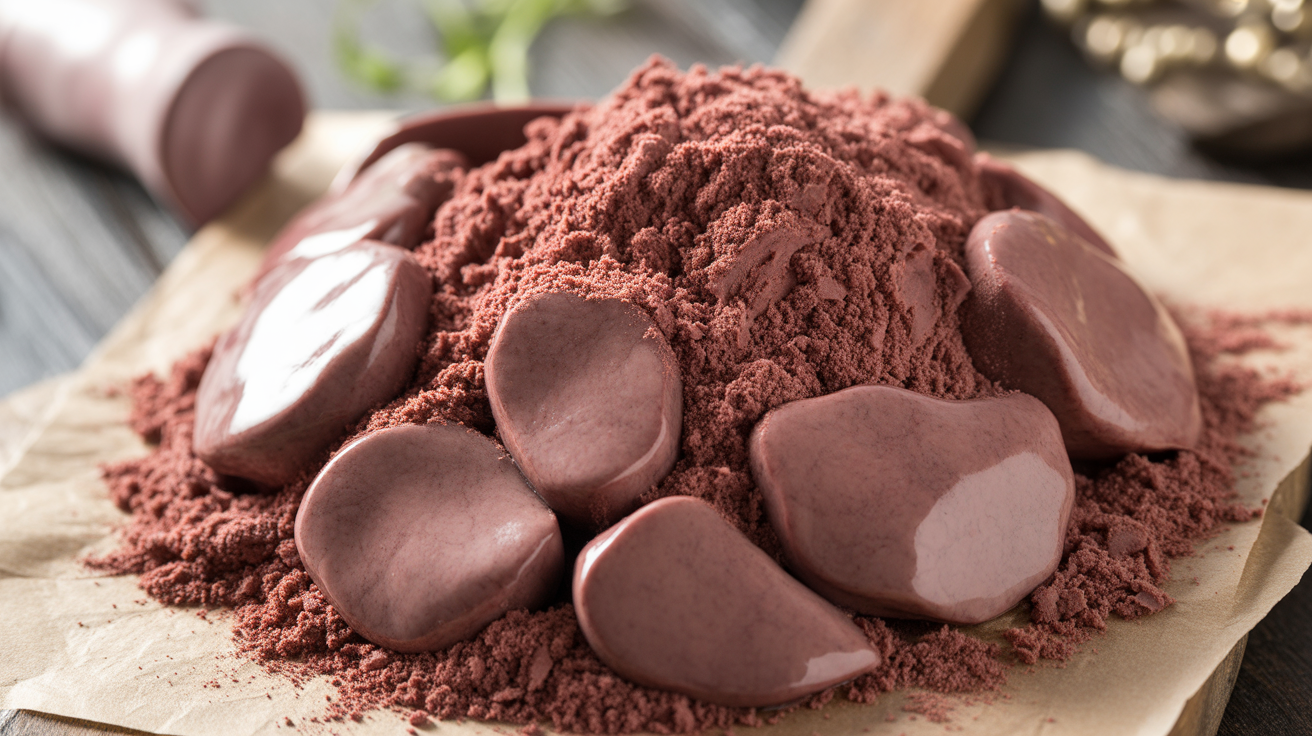
Current evidence for mudakathan is limited to preclinical animal studies with no human clinical trials available. Rat studies demonstrated significant anti-arthritic effects with reduced joint inflammation and pain scores compared to controls. Carrageenan-induced paw edema studies showed measurable reduction in inflammatory swelling using ethanol leaf extracts. The evidence quality remains preliminary and requires human validation studies to confirm therapeutic efficacy.

Origin
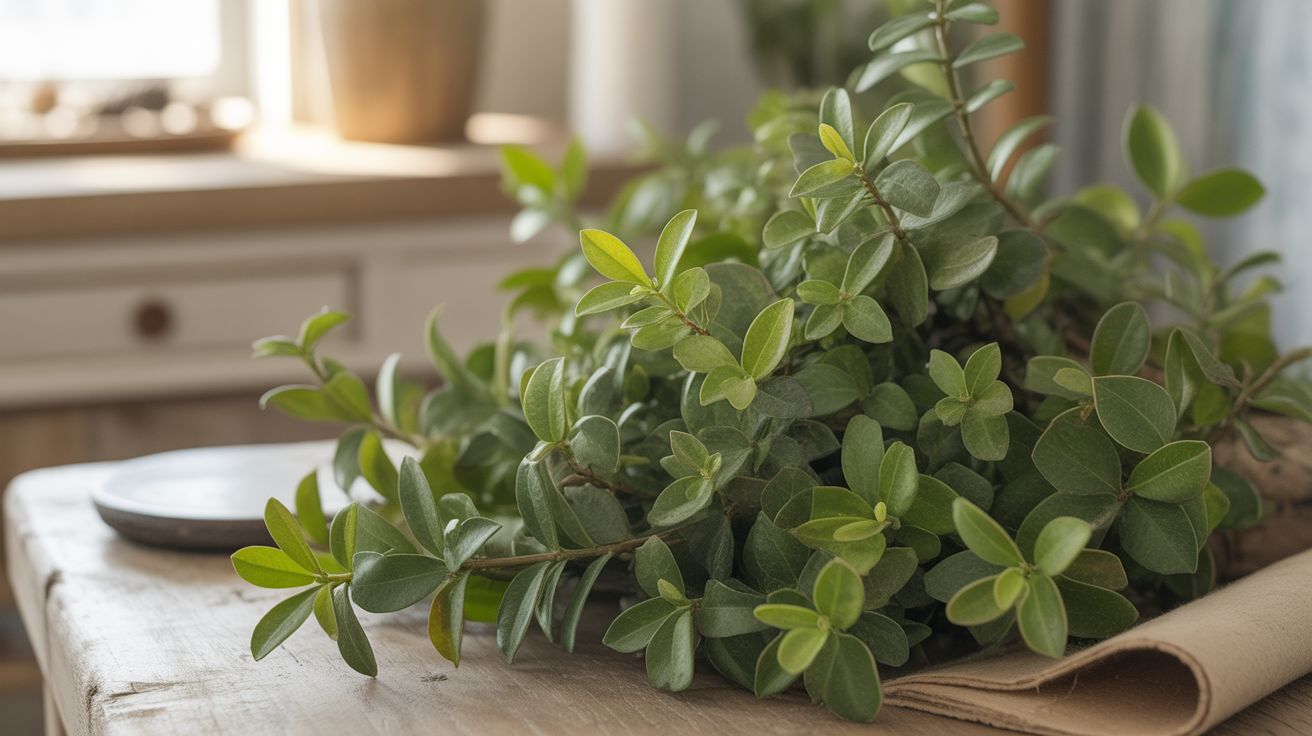
Mudakathan (Cardiospermum halicacabum) is a climbing herbaceous plant from the Sapindaceae family, native to tropical and subtropical regions including India, where it's known in Tamil as 'Mudakathan keerai' meaning 'clears rheumatism.' The whole plant, leaves, stems, roots, or seeds are harvested and typically prepared as acetone, ethanol, or water decoctions for medicinal use.
Potential benefits
• Anti-arthritic effects shown in preclinical rat studies through reduced joint inflammation and pain (traditional use validation, animal evidence only) • Anti-inflammatory activity demonstrated via reduced paw edema in carrageenan-induced rat models using ethanol leaf extract (preclinical evidence) • Anticonvulsant properties observed at 350 mg/kg alcohol extract in electric shock rat models (preclinical evidence) • Antidiabetic potential through glucose uptake inhibition shown in vitro with methanolic leaf extract (preliminary in vitro evidence) • Traditional use for digestive issues including diarrhea, dysentery, and as a laxative at 30-40 ml fresh fruit juice (traditional evidence only)
How it works
Mudakathan's ethanol leaf extract contains flavonoids and saponins that inhibit inflammatory mediators in affected tissues. The anti-inflammatory activity appears to involve suppression of pro-inflammatory cytokines and reduction of inflammatory cell infiltration. These compounds likely modulate cyclooxygenase and lipoxygenase pathways to reduce prostaglandin and leukotriene production.
What the research says
No human clinical trials, RCTs, or meta-analyses have been conducted on Mudakathan according to available research. All evidence is limited to traditional uses and preclinical studies in animals or cell cultures, with no PMIDs available from available research.
Safety and interactions
Safety data for mudakathan is extremely limited with no comprehensive toxicology studies in humans. Traditional use suggests general tolerability, but specific dosage thresholds and adverse effects remain uncharacterized. Potential interactions with anti-inflammatory medications and anticoagulants are theoretically possible due to its anti-inflammatory mechanisms. Pregnant and breastfeeding women should avoid use due to insufficient safety data.
Suggested use
No clinically studied human dosages are available. Traditional Ayurvedic use suggests 30-40 ml fresh fruit juice for laxative effects. Animal studies used 350 mg/kg body weight of alcohol extract. Consult a healthcare provider before starting any new supplement.
Frequently asked questions
What compounds in mudakathan provide anti-inflammatory effects?
Mudakathan contains flavonoids and saponins in its leaves that demonstrate anti-inflammatory activity. These bioactive compounds work by inhibiting inflammatory mediators and reducing cytokine production in affected tissues.
How effective is mudakathan for arthritis based on studies?
Preclinical rat studies show mudakathan significantly reduces joint inflammation and pain scores in arthritis models. However, no human clinical trials exist yet to confirm these anti-arthritic effects in people.
What part of the mudakathan plant is used medicinally?
The leaves of mudakathan are primarily used for medicinal purposes in Siddha medicine. Ethanol leaf extracts have shown the most promising anti-inflammatory activity in research studies.
Can mudakathan interact with anti-inflammatory medications?
Theoretical interactions with anti-inflammatory drugs and blood thinners are possible due to mudakathan's anti-inflammatory mechanisms. Consultation with healthcare providers is recommended before combining with conventional medications.
What is the traditional dosage of mudakathan in Siddha medicine?
Traditional Siddha dosing protocols for mudakathan are not standardized in modern literature. Preclinical studies used various extract concentrations, but safe and effective human dosages have not been established through clinical research.
Is mudakathan safe to use during pregnancy and breastfeeding?
There is insufficient clinical data on mudakathan's safety during pregnancy and breastfeeding, so it should be avoided during these periods as a precautionary measure. Traditional use in Siddha medicine does not provide adequate evidence for safe dosing in pregnant or nursing women. Consult a healthcare provider before use if you are pregnant, planning pregnancy, or breastfeeding.
References
This article is educational and is not medical advice. Statements have not been evaluated by the FDA and are not intended to diagnose, treat, cure, or prevent any disease. Consult a healthcare professional before use.