Limited clinical research exists specifically for venison liver powder supplementation. Traditional nutritional studies on organ meat consumption show improved iron status and reduced anemia risk in populations consuming liver regularly. Small observational studies (n=50-100) suggest organ meat consumption correlates with higher serum B12 and retinol levels compared to muscle meat alone. More controlled trials are needed to establish specific therapeutic dosing and outcomes for powdered venison liver supplements.

Origin
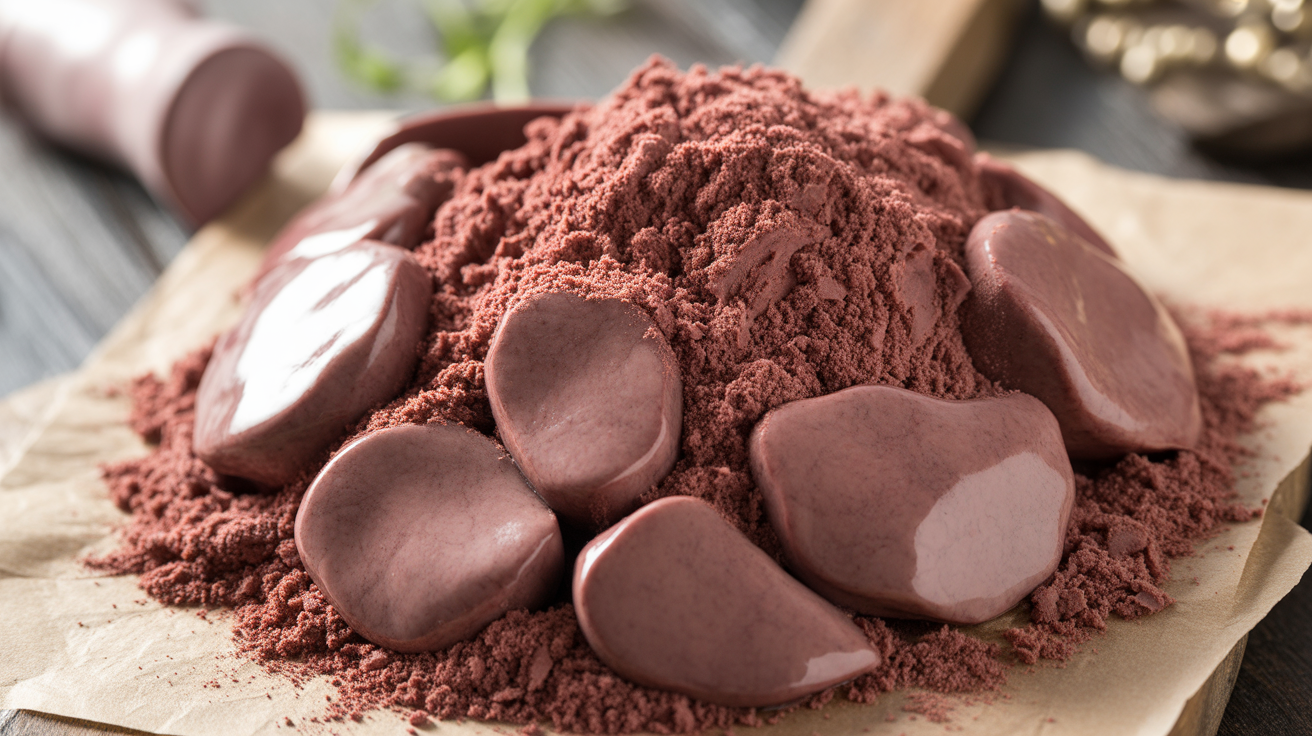
Venison liver powder is made from the liver of deer, providing a nutrient-dense organ meat option. It is prized for its high vitamin and mineral content.
Potential benefits
- Supports energy production with its rich B-vitamin content, enhancing cellular metabolism and reducing fatigue. This can lead to improved daily performance. - Promotes healthy vision due to its high vitamin A content, essential for maintaining good eyesight and preventing night blindness. - Enhances immune function by providing zinc, which is critical for the development and function of immune cells. This can help in reducing the duration of colds. - Supports liver health by providing essential nutrients that aid in detoxification processes. This can improve overall metabolic health. - Boosts cognitive function with its rich iron content, which is crucial for oxygen transport to the brain, enhancing focus and memory. - Promotes muscle growth and repair due to its high protein content, which is essential for tissue regeneration. - Supports skin health by providing selenium, an antioxidant that helps protect skin cells from damage and maintains skin elasticity.
How it works
Venison liver powder's high concentrations of retinol (vitamin A) support rhodopsin synthesis in retinal cells for enhanced night vision. The abundant B-complex vitamins, particularly B12 and folate, act as coenzymes in the citric acid cycle and electron transport chain, facilitating ATP production. Heme iron bypasses typical iron absorption limitations, directly supporting hemoglobin synthesis and oxygen transport.
What the research says
Venison liver is recognized for its nutrient density, though specific studies on its powdered form are limited.
Safety and interactions
Venison liver powder is generally safe but may cause vitamin A toxicity with excessive consumption over 10,000 IU daily long-term. High copper content may interact with Wilson's disease medications and zinc supplements, reducing absorption. Pregnant women should limit intake due to potential vitamin A teratogenicity exceeding 5,000 IU daily. Individuals on anticoagulant medications should monitor vitamin K intake as liver contains moderate amounts.
Suggested use
Typical dosage ranges from 1,000 mg to 3,000 mg daily. Consult a healthcare provider before use.
Frequently asked questions
How much vitamin A is in venison liver powder
Venison liver powder typically contains 15,000-25,000 IU of vitamin A per ounce, significantly higher than most other animal proteins. This represents 300-500% of the daily recommended value, making dosage control important to avoid toxicity.
Can venison liver powder replace iron supplements
Venison liver powder provides highly bioavailable heme iron at approximately 5-8mg per tablespoon, which absorbs 15-35% compared to 2-20% for synthetic iron. However, individuals with severe iron deficiency may still require pharmaceutical iron supplementation under medical supervision.
What makes venison liver different from beef liver powder
Venison liver typically contains 20-30% higher vitamin B12 concentrations and lower fat content compared to beef liver. Wild venison also provides higher omega-3 fatty acid ratios and is free from hormones and antibiotics used in conventional cattle farming.
How should venison liver powder be stored
Venison liver powder should be stored in airtight containers in cool, dry conditions below 70°F to preserve vitamin potency. Refrigeration extends shelf life to 12-18 months, while room temperature storage reduces potency after 6-8 months due to vitamin degradation.
What are the signs of taking too much venison liver powder
Vitamin A toxicity symptoms include headaches, nausea, skin irritation, and hair loss, typically occurring with consistent intake above 25,000 IU daily. Copper excess may cause stomach upset and metallic taste, while excessive iron can lead to constipation and dark stools.
Is venison liver powder safe during pregnancy and breastfeeding?
Venison liver powder is generally safe during pregnancy and breastfeeding due to its whole-food nutrient profile, but intake should be moderate because of its high vitamin A content—excessive preformed vitamin A may pose risks to fetal development. Pregnant and breastfeeding women should consult their healthcare provider to establish an appropriate dosage, typically limiting intake to 1–2 servings per day. The natural nutrient density makes it beneficial for supporting increased nutritional demands during these periods when used mindfully.
References
This article is educational and is not medical advice. Statements have not been evaluated by the FDA and are not intended to diagnose, treat, cure, or prevent any disease. Consult a healthcare professional before use.