Ceiba seed oil contains approximately 40% bioactive fatty acids—primarily linoleic acid (~18–22%), oleic acid (~15–20%), and palmitic acid—alongside quercetin and kaempferol polyphenols that restore cellular membrane integrity, modulate lipid metabolism via PPAR-α/γ activation, and exhibit DPPH free-radical scavenging activity comparable to ascorbic acid (Ullah MN et al., 2024; PMID 39348638). Germinating ceiba seeds demonstrate significantly enhanced total phenolic content and antioxidant capacity over raw seeds, suggesting that bioactivation through germination amplifies protective phytochemical yields relevant to cardiovascular, hepatoprotective, and anti-inflammatory health outcomes (Ravi Kiran C et al., 2015; PMID 26442618).

Origin
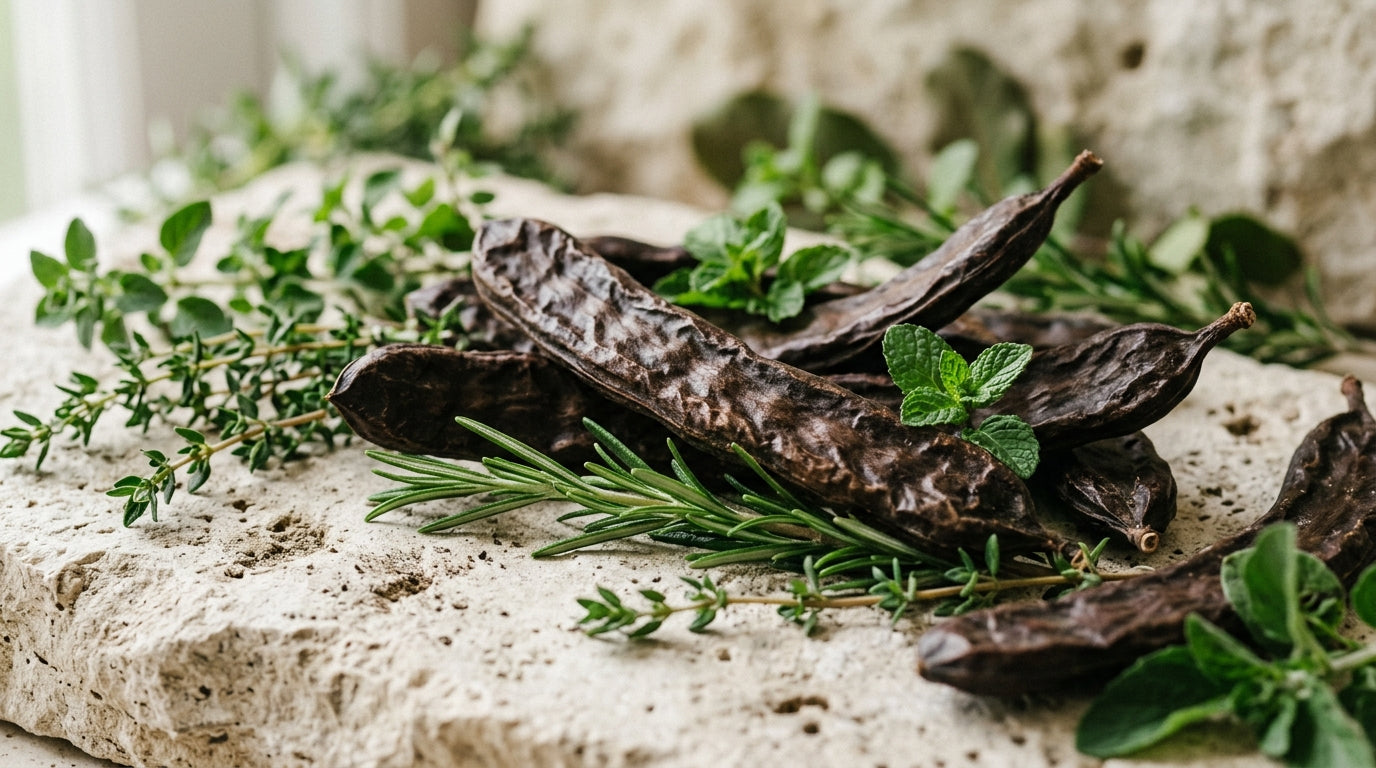
Ceiba seed (Ceiba pentandra) is derived from the majestic Ceiba tree, also known as the Kapok tree, native to tropical regions of Central and South America, Africa, and Southeast Asia. These nutrient-dense seeds are valued for their rich profile of healthy fats, proteins, and bioactive compounds, supporting cardiovascular wellness, digestive health, and metabolic function.
Potential benefits
- Supports cardiovascular wellness by regulating cholesterol and enhancing circulation.
- Combats oxidative stress, promoting cellular vitality and healthy aging.
- Aids digestive health and gut microbiome balance through its high fiber content.
- Enhances liver detoxification and metabolic function, supporting overall systemic health.
- Supports muscle repair, cognitive function, and stress resilience with essential amino acids and adaptogenic properties.
- Promotes joint health and skin vitality through its nourishing compounds.
How it works
Ceiba seed's linoleic acid (omega-6, ~18–22%) and oleic acid (omega-9, ~15–20%) integrate into phospholipid bilayers, restoring cellular membrane fluidity and activating peroxisome proliferator-activated receptors PPAR-α and PPAR-γ, which upregulate genes governing fatty acid β-oxidation, triglyceride clearance, and insulin-sensitizing adipokine secretion (Ullah MN et al., 2024; PMID 39348638). The polyphenolic fraction—rich in quercetin and kaempferol—exerts potent antioxidant activity by donating hydrogen atoms to neutralize DPPH, hydroxyl, and superoxide radicals, while simultaneously chelating pro-oxidant transition metal ions (Fe²⁺, Cu²⁺) and inhibiting NF-κB–mediated pro-inflammatory cytokine transcription. Germination-induced enzymatic hydrolysis further liberates bound phenolics and converts conjugated flavonoid glycosides into more bioavailable aglycone forms, enhancing Nrf2/ARE pathway activation and upregulating endogenous antioxidant enzymes including superoxide dismutase (SOD), catalase (CAT), and glutathione peroxidase (GPx) (Ravi Kiran C et al., 2015; PMID 26442618). Additionally, anti-angiogenic compounds in Ceiba species inhibit VEGF-mediated endothelial tube formation, potentially modulating aberrant vascularization pathways relevant to tumor growth (Nam NH et al., 2003; PMID 12601670).
What the research says
Current research on Ceiba pentandra focuses primarily on in vitro studies and animal models rather than human clinical trials for seed-specific applications. Animal studies in STZ-induced diabetic rats demonstrated plasma glucose reduction, while castor oil-induced diarrhea models showed protective effects. However, no quantified human clinical trial data exists specifically for Ceiba seed extracts, with most pharmacological evidence derived from crude plant extracts rather than isolated seed compounds. The evidence base remains preliminary and requires controlled human studies for clinical validation.
Safety and interactions
Ceiba seed and its oil are generally considered safe when consumed in traditional dietary quantities; however, no large-scale human clinical trials have formally established tolerable upper intake levels, recommended dosages, or comprehensive adverse-effect profiles. Due to the high linoleic acid content (~18–22%), individuals taking anticoagulant or antiplatelet medications (e.g., warfarin, aspirin, clopidogrel) should exercise caution, as omega-6 fatty acid metabolites may modulate eicosanoid-mediated platelet aggregation and theoretically potentiate bleeding risk. While specific CYP450 interactions for ceiba seed have not been documented in the pharmacological literature, the quercetin and kaempferol polyphenol fraction is known to inhibit CYP3A4 and CYP2C9 in vitro, which could alter the pharmacokinetics of co-administered drugs metabolized by these enzymes. Pregnant and lactating individuals, as well as those with known allergies to Malvaceae or Bombacaceae family plants, should consult a qualified healthcare provider before supplementation.
Suggested use
- Common forms: Roasted seeds, standardized extract.
- For roasted seeds: Consume 20-30 grams daily.
- For standardized extract: 500-1000 mg daily.
- Recommended for cardiovascular and digestive support.
Frequently asked questions
What are the main health benefits of ceiba seed?
Ceiba seed offers a range of evidence-supported benefits rooted in its bioactive fatty acid and polyphenol profile. Its linoleic and oleic acids support cardiovascular health by activating PPAR-α/γ receptors that regulate triglyceride clearance and cholesterol metabolism. Its quercetin and kaempferol polyphenols neutralize free radicals with DPPH scavenging activity comparable to ascorbic acid. Additional reported benefits include liver detoxification support, digestive health from its fiber content, joint and skin nourishment, and stress resilience attributed to its essential amino acid content.
Does germinated ceiba seed have stronger antioxidant effects than raw ceiba seed?
Yes. Research by Ravi Kiran C et al. (2015, PMID 26442618) demonstrated that germinating ceiba seeds significantly increases total phenolic content and overall antioxidant capacity compared to raw seeds. The germination process appears to bioactivate or amplify phytochemical yields, making germinated ceiba seed a potentially more potent source of protective antioxidants relevant to cardiovascular, hepatoprotective, and anti-inflammatory health outcomes.
Can ceiba seed help with oxidative stress and healthy aging?
Ceiba seed's polyphenolic compounds—particularly quercetin and kaempferol—donate hydrogen atoms to neutralize damaging free radicals including DPPH, hydroxyl, and superoxide species. This antioxidant mechanism helps reduce oxidative stress, a key driver of cellular aging and chronic disease. Research by Ullah MN et al. (2024, PMID 39348638) confirmed that ceiba seed oil's polyphenol fraction exhibits free-radical scavenging activity comparable to ascorbic acid, supporting its potential role in promoting cellular vitality and healthy aging.
What is the recommended daily dosage of ceiba seed extract?
For standardized ceiba seed extract, a commonly referenced daily dosage is 500–1000 mg, suitable for cardiovascular and digestive support. If consuming whole roasted ceiba seeds, 20–30 grams per day is the suggested amount. As with any supplement, starting at the lower end of the range is advisable. Individuals with existing medical conditions or those taking medications should consult a healthcare professional before beginning supplementation, as clinical dosing guidelines for ceiba seed remain limited in peer-reviewed literature.
How does ceiba seed oil support heart health at a cellular level?
Ceiba seed oil contains approximately 18–22% linoleic acid (omega-6) and 15–20% oleic acid (omega-9), which integrate into phospholipid bilayers to restore cellular membrane fluidity. These fatty acids activate PPAR-α and PPAR-γ receptors, upregulating genes involved in fatty acid β-oxidation, triglyceride clearance, and insulin-sensitizing adipokine secretion. This dual mechanism of membrane restoration and metabolic gene regulation supports cardiovascular wellness by helping normalise lipid profiles and improving circulatory function (Ullah MN et al., 2024; PMID 39348638).
Is ceiba seed safe to take alongside common supplements like omega-3 or vitamin C?
No significant adverse interactions between ceiba seed and common supplements such as omega-3 fatty acids or vitamin C have been reported in the available literature. Ceiba seed oil's omega-6 and omega-9 fatty acids may complement omega-3 supplementation in supporting balanced fatty acid profiles. Its polyphenols also work synergistically with vitamin C as antioxidants. However, because clinical interaction data is limited, it is prudent to consult a healthcare provider, especially if combining with medications that affect lipid metabolism or blood clotting.
Can ceiba seed support gut health and digestion?
Ceiba seed is noted for its high fiber content, which contributes to digestive health by promoting gut motility, supporting regularity, and contributing to a balanced gut microbiome. Dietary fiber acts as a prebiotic substrate, feeding beneficial gut bacteria and supporting the gut-immune axis. While specific clinical trials on ceiba seed fiber and gut microbiome outcomes are currently limited, its fiber and polyphenol content align with established mechanisms by which seed-based foods support gastrointestinal health.
What does ceiba seed contain that may support muscle repair and cognitive function?
Ceiba seed contains essential amino acids that are associated with muscle protein synthesis and repair following physical exertion. Its fatty acid profile, including linoleic acid, supports cell membrane integrity in neuronal tissues, which is relevant to cognitive function. Additionally, the seed's antioxidant polyphenols—quercetin and kaempferol—may reduce neuroinflammation and oxidative damage linked to cognitive decline. While these mechanisms are plausible based on constituent analysis, dedicated clinical trials specifically examining ceiba seed's effects on muscle recovery and cognition are still needed.
How much ceiba seed should I take daily for cardiovascular support?
Current guidance suggests consuming 20–30 grams of roasted ceiba seeds daily or 500–1000 mg of a standardized extract for cardiovascular and digestive support. The cardiovascular benefit is mechanistically linked to linoleic acid (~18–22%) and oleic acid (~15–20%) activating PPAR-α and PPAR-γ receptors, which regulate triglyceride clearance and cholesterol metabolism. As formal clinical dosing trials are limited, it is advisable to start at the lower end of the range and consult a healthcare provider, particularly if you are managing existing lipid or cardiovascular conditions.
Can ceiba seed oil help lower cholesterol?
Ceiba seed oil contains linoleic acid and oleic acid that activate PPAR-α and PPAR-γ nuclear receptors, upregulating genes involved in fatty acid β-oxidation and triglyceride clearance—mechanisms directly relevant to cholesterol regulation. Polyphenols quercetin and kaempferol further support lipid metabolism by reducing oxidative modification of LDL particles. While Ullah MN et al. (2024; PMID 39348638) confirmed this lipid-modulating fatty acid profile, large-scale human clinical trials specifically on ceiba seed and cholesterol outcomes remain limited. It should complement, not replace, evidence-based lipid management strategies.
References
- https://www.ncbi.nlm.nih.gov/search/all/?term=Ceiba+Seed
- https://fdc.nal.usda.gov/fdc-app.html#/search?query=Ceiba+Seed
- https://www.sciencedirect.com/science/article/pii/S2213453019302092
- https://www.ncbi.nlm.nih.gov/pmc/articles/PMC7265223/
This article is educational and is not medical advice. Statements have not been evaluated by the FDA and are not intended to diagnose, treat, cure, or prevent any disease. Consult a healthcare professional before use.