Research on Lippia consists primarily of in vitro and animal studies rather than human clinical trials. Laboratory studies show L. alba essential oil demonstrated cytotoxic effects in SUM149 and MDA-MB-231 breast cancer cells, with LDH activity increases of 23.3% and 53.3% respectively. L. adoensis var. koseret extracts showed antimicrobial activity with minimum inhibitory concentrations as low as 143 μg/mL against bacterial strains. Evidence remains limited to preclinical studies without human safety or efficacy data.

Origin
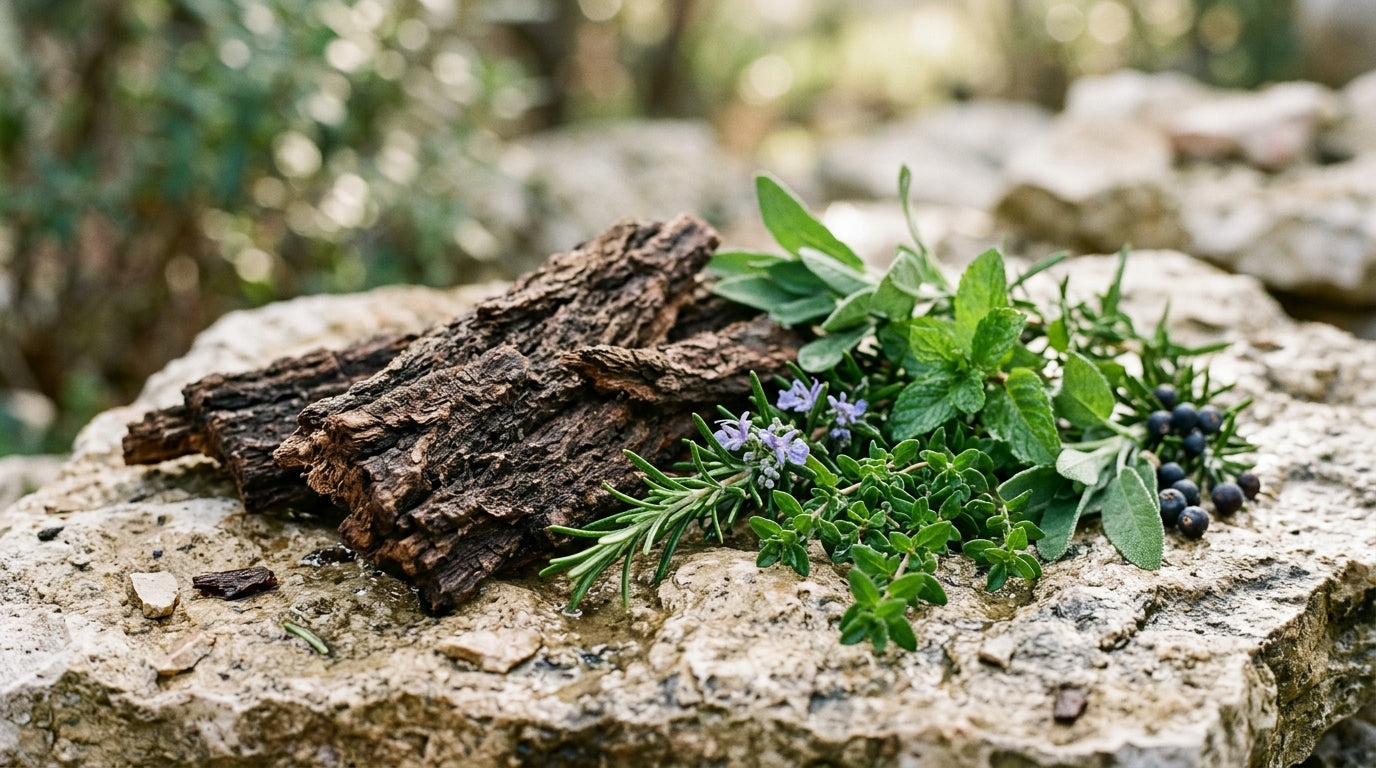
Lippia Leaf, often referring to various Lippia species such as Lippia javanica or Lippia multiflora, is native to tropical and subtropical regions of Africa, Central, and South America. These aromatic leaves are valued in traditional medicine for their diverse therapeutic properties, particularly for respiratory and nervous system support.
Potential benefits
- Supports respiratory clarity: by acting as an expectorant and soothing inflamed airways.
- Promotes nervous system: calm and reduces anxiety through anxiolytic compounds.
- Enhances digestive harmony: by alleviating spasms and reducing gastrointestinal discomfort.
- Strengthens immune defense: through its inherent antimicrobial and anti-inflammatory properties.
- Contributes to hormonal: balance by modulating certain physiological pathways.
How it works
Lippia leaf phenolic compounds and flavonoids scavenge free radicals, reduce tocopherol radicals, and chelate metals through antioxidant pathways. Polyphenols activate AMP-activated protein kinase (AMPK), down-regulate nuclear factor κB, and upregulate adiponectin for metabolic regulation. Antimicrobial effects occur through disruption of bacterial cell membrane phospholipid bilayers, increasing permeability and causing cell death.
What the research says
Scientific studies, largely in vitro and animal models, support the various Lippia species' anti-inflammatory, antimicrobial, and anxiolytic properties, attributed to their diverse essential oil and flavonoid profiles. Research validates traditional uses for respiratory, nervous system, and digestive support.
Safety and interactions
No specific safety data, adverse effects, drug interactions, or contraindications for Lippia leaf preparations are documented in current research literature. The available studies focus on bioactive compound characterization and laboratory biological activities rather than clinical safety assessment. Pregnant and nursing women should avoid use due to insufficient safety data. Patients taking medications should consult healthcare providers before use given the lack of interaction studies.
Suggested use
- Tea/Infusion: Steep 1–2 teaspoons of dried leaves in hot water for 10–12 minutes; consume daily for respiratory support, calming, or digestive harmony.
- Extract: Consume 400–800 mg of extract daily in supplements or formulations.
- Topical: Crush fresh leaves into poultices for skin infections or apply in steam baths for respiratory issues.
Frequently asked questions
What are the main bioactive compounds in Lippia leaf?
Lippia leaf contains phenolic compounds, flavonoids, alkaloids, tannins, flavones, flavanols, and polyphenols as primary bioactive constituents. Methanol leaf extracts of L. multiflora show the highest antioxidant activity with IC₅₀ values of 0.559 μg/mL in DPPH assays.
How does Lippia leaf work for respiratory support?
Lippia leaf functions as an expectorant and soothes inflamed airways through its anti-inflammatory phenolic compounds and flavonoids. These compounds scavenge free radicals and reduce oxidative stress that contributes to respiratory inflammation.
What is the difference between Lippia species?
Various Lippia species include L. alba (studied for cytotoxicity), L. multiflora (highest antioxidant activity), L. citriodora (metabolic regulation), and L. sidoides (immunomodulatory effects). Each species contains different concentrations of bioactive compounds with varying therapeutic applications.
Is there clinical evidence supporting Lippia leaf benefits?
Current evidence consists primarily of in vitro and animal studies rather than human clinical trials. While laboratory studies demonstrate antioxidant, antimicrobial, and anti-inflammatory properties, human safety and efficacy data remain limited.
What are the antimicrobial effects of Lippia leaf?
Lippia leaf phytochemicals disrupt bacterial cell membrane phospholipid bilayers, increasing membrane permeability and causing cell death. L. adoensis var. koseret extracts show minimum inhibitory concentrations as low as 143 μg/mL against tested bacterial strains.
Is Lippia leaf safe to take during pregnancy and breastfeeding?
Lippia leaf is traditionally used in herbal medicine, but safety data specific to pregnancy and breastfeeding is limited. Pregnant and nursing women should consult a healthcare provider before using Lippia leaf supplements, as some compounds may have uterine stimulant properties. It is generally recommended to err on the side of caution during these sensitive periods.
References
- https://www.ncbi.nlm.nih.gov/search/all/?term=Lippia+Leaf
- https://fdc.nal.usda.gov/fdc-app.html#/search?query=Lippia+Leaf
- https://www.sciencedirect.com/science/article/pii/S0378874121004017
- https://www.ncbi.nlm.nih.gov/pmc/articles/PMC7589861
This article is educational and is not medical advice. Statements have not been evaluated by the FDA and are not intended to diagnose, treat, cure, or prevent any disease. Consult a healthcare professional before use.