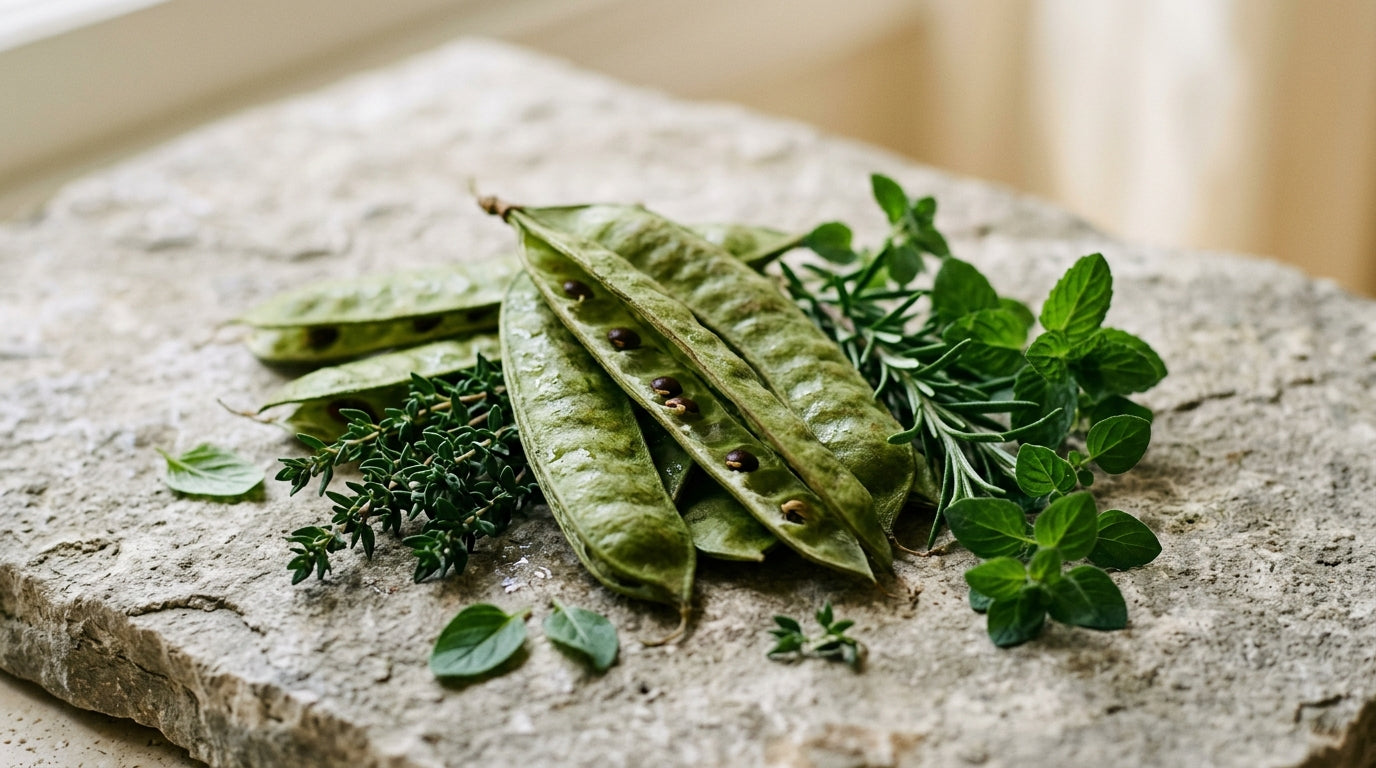
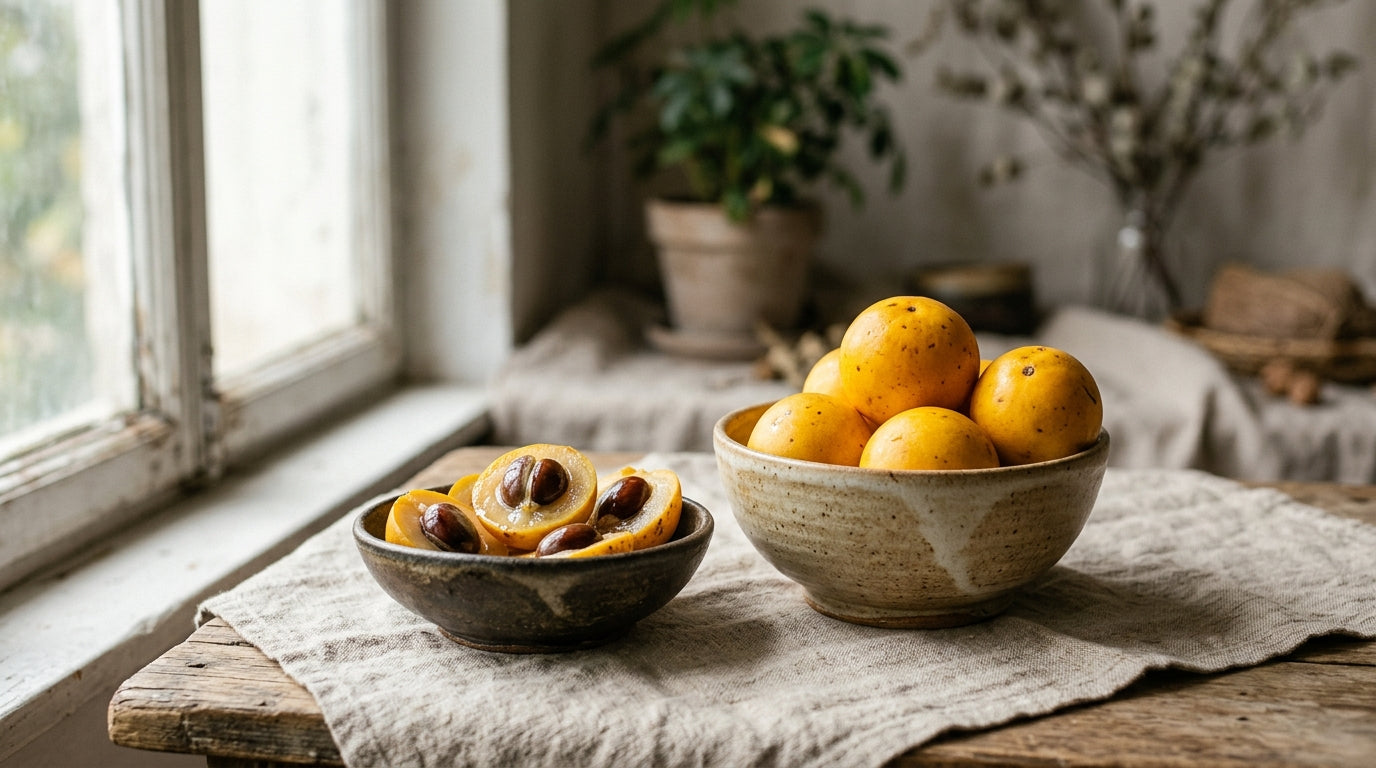
Mulberry leaf (Morus alba) contains 1-deoxynojirimycin (DNJ), which inhibits α-glucosidase enzyme to regulate glucose metabolism and improve insulin sensitivity. The leaves also provide rutin, gallic acid, and other flavonoids that deliver antioxidant protection through free radical scavenging and anti-inflammatory pathways.

Origin
Mulberry (Morus spp.) is a deciduous fruit tree native to temperate and subtropical regions of Asia, Europe, and North America, particularly thriving in East Asia. The small, sweet-tart berries are available in black, red, and white varieties, and are celebrated for their rich antioxidant and nutrient profile. Both the fruit and leaves have been utilized for centuries in traditional medicine for their diverse health benefits.
Potential benefits
- Provides robust antioxidant protection through anthocyanins, resveratrol, and vitamin C, neutralizing free radicals.
- Enhances immune function with high levels of vitamin C and zinc, supporting defense against infections.
- Promotes digestive health via dietary fiber that aids regularity and supports gut microbiota.
- Supports cardiovascular health by regulating blood pressure and cholesterol levels with resveratrol and potassium.
- Modulates blood sugar levels through compounds like 1-deoxynojirimycin (DNJ) that inhibit carbohydrate digestion.
- Improves skin health by promoting collagen production and protecting against oxidative damage with antioxidants.
- Supports cognitive function through resveratrol and polyphenols that protect against neurodegenerative processes.
How it works
1-Deoxynojirimycin (DNJ) inhibits α-glucosidase enzyme, delaying carbohydrate breakdown and improving glucose metabolism. Rutin and other flavonoids scavenge DPPH/ABTS radicals while upregulating antioxidant enzymes like SOD and glutathione peroxidase. Anti-inflammatory effects occur through suppression of TNF-α, IL-6, and NF-κB pathways.
What the research says
Current evidence is primarily based on in vitro and animal studies, with limited human clinical trial data available. Preclinical research shows DNJ achieves 76% inhibition of melanoma cell proliferation and mulberry proteins enhance B/T cell proliferation at 125-2000 µg/mL concentrations. Studies demonstrate increased SOD/glutathione levels and reduced inflammatory markers in laboratory models. Robust randomized controlled trials in humans are needed to establish definitive therapeutic efficacy and optimal dosing protocols.
Safety and interactions
Mulberry leaf is generally well-tolerated at traditional doses of 3-9g daily, with minimal toxicity reported in preclinical studies. Potential hypoglycemia risk exists due to α-glucosidase inhibition, requiring caution with diabetes medications and insulin. High doses may cause gastrointestinal upset including diarrhea and bloating from carbohydrate malabsorption. Contraindicated in pregnancy/breastfeeding due to insufficient safety data, and should be discontinued before surgery due to blood sugar effects.
Suggested use
- Consumed fresh as a snack, dried, or incorporated into smoothies, jams, juices, and teas.
- Dosage: 1 cup (approx. 140g) of fresh mulberries or 1/4 cup (approx. 30g) of dried mulberries daily.
- Store fresh mulberries in the refrigerator and consume within a few days due to perishability.
Frequently asked questions
What is the main active compound in mulberry leaf?
1-Deoxynojirimycin (DNJ) is the primary bioactive compound, functioning as a cyclic imino sugar that inhibits α-glucosidase enzyme. This mechanism delays carbohydrate breakdown and helps regulate blood glucose levels similar to pharmaceutical diabetes medications.
How does mulberry leaf affect blood sugar levels?
DNJ in mulberry leaves inhibits α-glucosidase enzyme, which slows the breakdown of complex carbohydrates into simple sugars. This results in delayed glucose absorption and improved insulin sensitivity, though patients on diabetes medications should monitor for potential hypoglycemia.
What antioxidants are found in mulberry leaves?
Mulberry leaves contain rutin, gallic acid, quercetin, and luteolin glycosides as primary antioxidant compounds. These flavonoids demonstrate strong DPPH and ABTS radical scavenging activity while upregulating endogenous antioxidant enzymes like SOD and glutathione peroxidase.
Can mulberry leaf interact with medications?
Yes, mulberry leaf can cause additive hypoglycemic effects when combined with insulin or oral diabetes medications. The flavonoids may also weakly inhibit CYP3A4 enzyme, potentially affecting metabolism of drugs like statins and cyclosporine.
What is the traditional dosage for mulberry leaf?
Traditional Chinese medicine typically uses 3-9 grams of dried mulberry leaf daily as a decoction. However, standardized extracts may require different dosing, and patients should consult healthcare providers before use, especially if taking diabetes medications.
What foods are naturally high in mulberry and can I get enough from diet alone?
Fresh mulberries, mulberry leaves, and mulberry tea are the primary dietary sources of this ingredient's active compounds. While consuming whole mulberries provides anthocyanins and fiber, the concentrated levels of bioactive compounds found in standardized mulberry leaf extracts are difficult to achieve through diet alone, especially for therapeutic benefits related to blood sugar and cardiovascular support. Most people who seek specific health benefits from mulberry use supplements rather than relying on occasional fruit consumption.
Is mulberry safe for children and during pregnancy?
Mulberry fruit is generally recognized as safe for children as a food source, but mulberry leaf supplements during pregnancy should be discussed with a healthcare provider due to limited safety data in this population. While traditional use suggests safety, the concentrated compounds in supplemental forms have not been extensively studied in pregnant or nursing women. Children may safely consume mulberry fruit, though supplement dosing should be determined by a pediatrician.
What does clinical research show about mulberry's effects on cardiovascular health?
Clinical studies indicate that mulberry leaf extract can help reduce blood pressure and support healthy cholesterol levels, attributed to its anthocyanin and polyphenol content. A number of peer-reviewed trials have demonstrated modest improvements in endothelial function and arterial flexibility in subjects taking mulberry supplements. However, more large-scale, long-term human studies are needed to establish definitive cardiovascular benefits compared to other nutritional interventions.
References
- https://fdc.nal.usda.gov/fdc-app.html#/search?query=Mulberry
- https://fdc.nal.usda.gov/fdc-app.html#/search?query=Mulberry+Bark
- https://fdc.nal.usda.gov/fdc-app.html#/search?query=Mulberry+Root
- https://www.frontiersin.org/articles/10.3389/fphar.2021.679050/full
- https://www.ncbi.nlm.nih.gov/search/all/?term=Mulberry
- https://www.ncbi.nlm.nih.gov/search/all/?term=Mulberry+Bark
- https://www.ncbi.nlm.nih.gov/search/all/?term=Mulberry+Root
- https://doi.org/10.1016/j.foodchem.2020.127842
- https://pubmed.ncbi.nlm.nih.gov/30679045
- https://www.ncbi.nlm.nih.gov/pmc/articles/PMC7159923/
- https://www.ncbi.nlm.nih.gov/pmc/articles/PMC7264631/
- https://www.ncbi.nlm.nih.gov/pmc/articles/PMC7498960/
This article is educational and is not medical advice. Statements have not been evaluated by the FDA and are not intended to diagnose, treat, cure, or prevent any disease. Consult a healthcare professional before use.