Armillaria mellea demonstrates antioxidant activity with DPPH IC50 values of 608.32 μg/mL through chlorogenic acid and δ-tocopherol compounds. The mushroom exhibits α-amylase inhibition of 34.90-41.98% for antidiabetic effects and antimicrobial activity against Candida albicans and Pseudomonas aeruginosa via quorum sensing disruption.

Origin
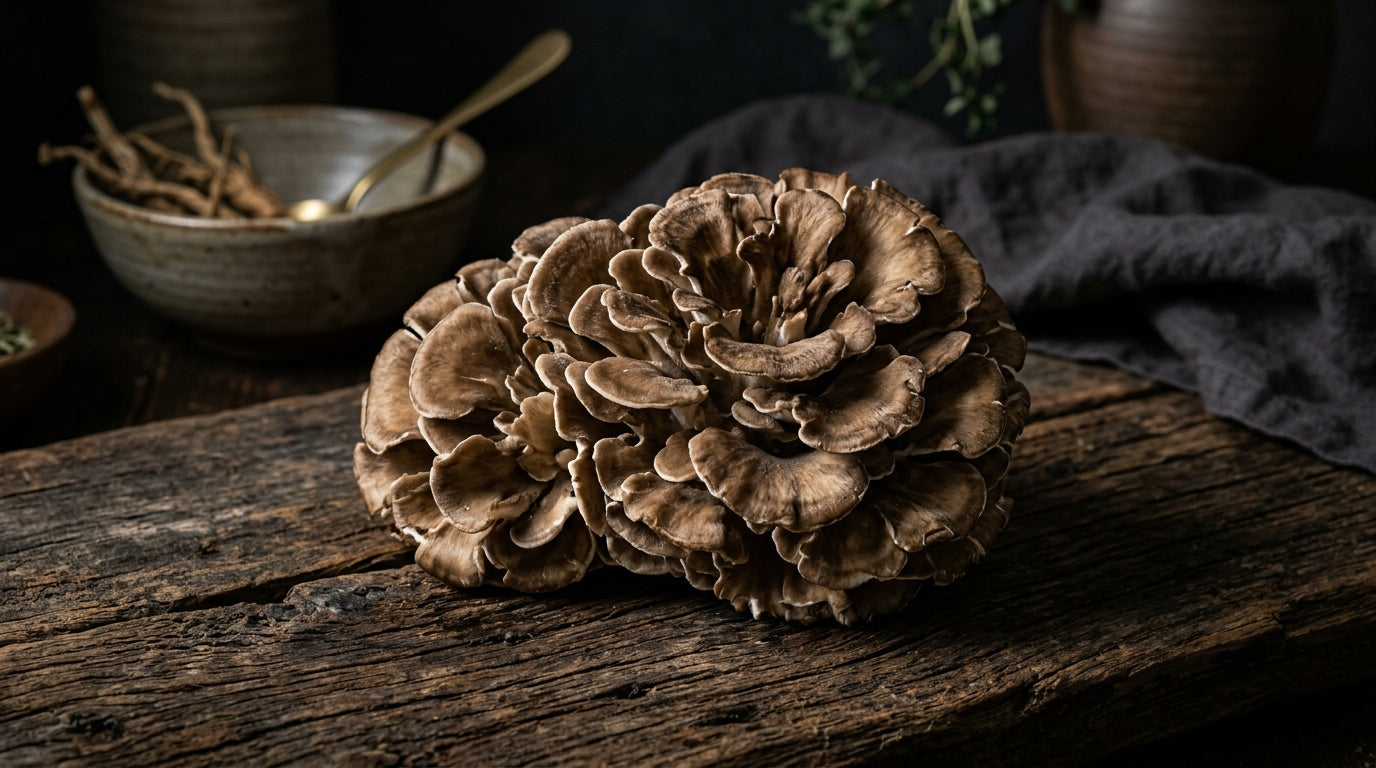
Armillaria mellea, commonly known as honey mushroom, is a group of parasitic fungi characterized by its honey-colored caps and earthy flavor. These mushrooms thrive in clusters on decaying trees and stumps across temperate forests globally. Valued for its unique taste and versatility, Armillaria mellea offers notable nutritional and medicinal properties, contributing to functional nutrition.
Potential benefits
- Provides robust antioxidant protection through phenolic compounds and ergothioneine, which neutralize free radicals and protect cells from oxidative damage.
- Enhances immune function as bioactive polysaccharides stimulate white blood cell activity.
- Exhibits anti-inflammatory properties that help reduce systemic inflammation and support joint health.
- Demonstrates antimicrobial activity, with extracts showing antibacterial and antifungal effects beneficial for fighting infections.
- Supports cardiovascular health with compounds that help regulate blood pressure and improve circulation.
- Promotes digestive health through dietary fiber, which aids regularity and supports a balanced gut microbiome.
- Contributes to energy metabolism and reduces fatigue as a source of B vitamins.
How it works
Chlorogenic acid and δ-tocopherol provide antioxidant protection through free radical scavenging mechanisms, while polysaccharides interact with pattern recognition receptors (PRRs) for immune modulation. The mushroom inhibits α-amylase enzyme activity by 34.90-41.98% for glucose regulation and disrupts bacterial quorum sensing pathways to reduce biofilm formation at sub-MIC concentrations.
What the research says
Current evidence derives exclusively from in vitro laboratory studies with no human clinical trials available. Studies demonstrate measurable antioxidant activity (DPPH IC50: 608.32 μg/mL), moderate α-amylase inhibition (34.90-41.98%), and minimal acetylcholinesterase inhibition (1.94-7.76%). Cytotoxicity testing shows low toxicity with IC50 values of 212.06 to >400 μg/mL against cell lines, indicating relative safety in laboratory conditions.
Safety and interactions
Laboratory studies indicate low cytotoxicity with IC50 values ranging from 212.06 to >400 μg/mL against various cell lines, showing no toxicity to tumor or non-tumor cells. No documented drug interactions, contraindications, or adverse effects have been reported in available research. However, comprehensive safety data from human studies is lacking, and pregnant or nursing women should exercise caution due to insufficient safety data. Individuals with mushroom allergies should avoid consumption.
Suggested use
- Common Forms: Consumed cooked as whole mushrooms.
- Preparation: Must be cooked thoroughly (sautéed, roasted, added to soups/stews) to neutralize potential toxins. Parboiling for 5-10 minutes can enhance digestibility.
- Dosage: A typical serving size is 1/2 to 1 cup of cooked mushrooms.
- Contraindications: Avoid consuming raw or improperly identified honey mushrooms due to potential gastrointestinal upset and toxicity from certain species.
Frequently asked questions
What is the main active compound in honey mushroom?
Chlorogenic acid is the most abundant polyphenolic compound in honey mushroom, contributing significantly to its antioxidant activity with DPPH IC50 values of 608.32 μg/mL. Other key bioactive compounds include δ-tocopherol, malic acid, and various polysaccharides.
How effective is honey mushroom for diabetes management?
In vitro studies show honey mushroom extracts inhibit α-amylase enzyme activity by 34.90-41.98%, which could help regulate glucose absorption. However, α-glucosidase inhibition is minimal at only 0.55-2.79%, and no human clinical trials have confirmed antidiabetic effects.
Can honey mushroom fight bacterial infections?
Laboratory studies demonstrate honey mushroom exhibits antimicrobial activity against various pathogens including Candida albicans and Pseudomonas aeruginosa. The mushroom reduces bacterial virulence and biofilm formation at sub-minimum inhibitory concentrations through quorum sensing disruption mechanisms.
Is honey mushroom safe to consume regularly?
Cytotoxicity studies show honey mushroom extracts have low toxicity with IC50 values of 212.06 to >400 μg/mL against cell lines. While considered safe as a functional food based on laboratory data, comprehensive human safety studies are lacking for long-term consumption recommendations.
What antioxidant benefits does honey mushroom provide?
Honey mushroom provides robust antioxidant protection through phenolic compounds like chlorogenic acid and ergothioneine, with DPPH assay showing IC50 values of 608.32 μg/mL for methanolic extracts. The reducing power ranges from 0.034-0.102 μg/mL, helping neutralize free radicals and protect against oxidative cellular damage.
What is the recommended daily dosage of honey mushroom extract?
Most clinical studies use honey mushroom extract in doses ranging from 500–2,000 mg daily, typically divided into one or two servings. The optimal dosage depends on the extract concentration and your individual health goals, so starting with 500–1,000 mg daily and adjusting based on tolerance is recommended. Consult a healthcare provider to determine the appropriate dose for your specific needs.
Does honey mushroom interact with common medications?
Honey mushroom may interact with immunosuppressant medications since it enhances immune function, potentially reducing their effectiveness. Additionally, if you take blood-thinning medications like warfarin, consult your doctor before supplementing, as some mushroom compounds have mild anticoagulant properties. Always inform your healthcare provider about honey mushroom supplementation to avoid contraindications with your current medications.
What is the difference between honey mushroom powder and extract forms?
Honey mushroom extract is more concentrated and bioavailable than powder, typically delivering higher levels of active polysaccharides and bioactive compounds in smaller doses. Powder provides a more economical option but requires larger serving sizes to achieve comparable benefits and may have lower absorption rates. Extract forms are generally preferred for therapeutic applications, while powder suits those seeking whole-food supplementation or culinary use.
References
- https://www.ncbi.nlm.nih.gov/search/all/?term=Honey+Mushroom
- https://fdc.nal.usda.gov/fdc-app.html#/search?query=Honey+Mushroom
- https://pubmed.ncbi.nlm.nih.gov/32189345
This article is educational and is not medical advice. Statements have not been evaluated by the FDA and are not intended to diagnose, treat, cure, or prevent any disease. Consult a healthcare professional before use.