While "Georgian Pear Vinegar" lacks specific clinical trial data, research primarily focuses on prickly pear vinegar derived from Opuntia ficus-indica. Studies on fruit vinegars, including prickly pear, are generally in preliminary stages, often involving in vitro or animal models investigating antioxidant capacity, digestive health benefits, and effects on blood sugar regulation. These investigations highlight the roles of acetic acid and polyphenols, but rigorous human clinical trials establishing efficacy and optimal dosages for specific health outcomes are limited. Current evidence suggests potential benefits, but further large-scale, placebo-controlled human studies are needed to confirm these effects.

Origin
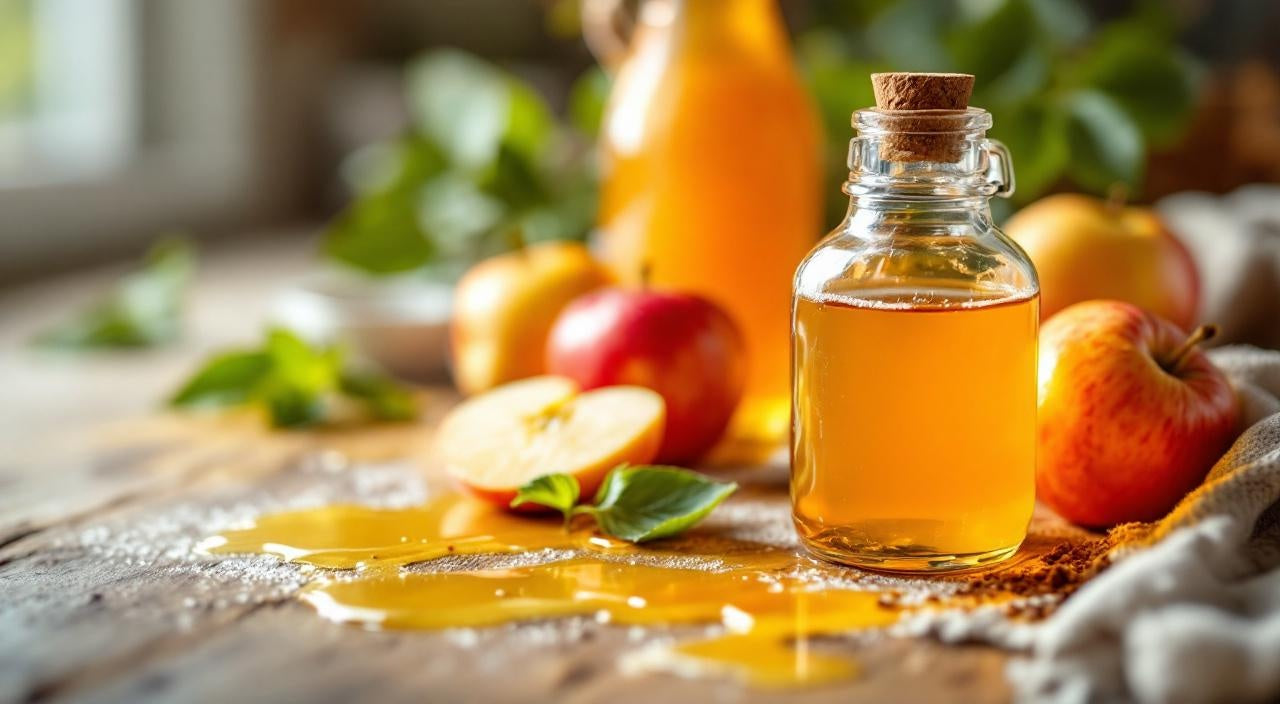
Georgian Pear Vinegar is a traditional fermented product sourced from the fertile, mountainous regions of Georgia, where the temperate climate and rich, mineral-rich soils create ideal growing conditions for pears (*Pyrus spp.*). It is crafted by fermenting ripe pears into a tangy, aromatic vinegar with a mild fruity flavor and complex, layered acidity. This vinegar symbolizes the agricultural richness of Georgia, embodying traditional fermentation methods passed down through generations, and is valued for its functional properties.
Potential benefits
- Supports digestive health by stimulating digestive enzymes and promoting a healthy gut environment.
- Aids liver function and detoxification processes through its acetic acid content and antioxidant profile.
- Helps regulate blood sugar levels by improving insulin sensitivity and slowing glucose absorption.
- Provides antioxidant protection, reducing oxidative stress and inflammation throughout the body.
- Exhibits antimicrobial properties, contributing to immune system support.
- Contributes to cardiovascular health by supporting healthy blood pressure and cholesterol levels.
How it works
The fermentation process, involving initial alcoholic and subsequent acetic fermentation by Acetobacter spp., significantly increases the total phenolic content (TPC) by extracting and biotransforming phenolics from the prickly pear fruit, especially from seeds and peels. This enhanced TPC contributes to the vinegar's antioxidant capacity, while the primary organic acid, acetic acid, provides antimicrobial effects by permeating and disrupting microbial cell membranes. These actions collectively support digestive health, modulate blood sugar, and offer protective cellular benefits.
What the research says
Research on fruit vinegars, including pear vinegar, focuses on their potential benefits for digestive health, antioxidant capacity, and blood sugar regulation. Studies often highlight the role of acetic acid and polyphenols in these effects, though specific clinical trials on Georgian Pear Vinegar may be limited.
Safety and interactions
Specific safety profiles and drug interactions for prickly pear vinegar are not detailed in current research. Generally, vinegars are highly acidic; excessive consumption may cause tooth enamel erosion, throat irritation, or exacerbate acid reflux. Individuals with gastrointestinal sensitivities, ulcers, or those taking medications affecting blood sugar or potassium levels should use with caution and consult a healthcare professional. Due to lack of specific data, pregnant or breastfeeding individuals should avoid use or seek medical advice.
Suggested use
- Forms: Liquid vinegar.
- Culinary Use: Traditionally used in Georgian cuisine for pickling, salad dressings, and marinades. Can be used as a tangy dressing, marinade base, or for sauces and glazes.
- Functional Use: Diluted in water for a refreshing, detoxifying beverage or added to hot teas for digestive support.
- Dosage: Recommended daily intake is 1 to 2 tablespoons for optimal health benefits.
Frequently asked questions
What is 'Georgian Pear Vinegar' often confused with?
'Georgian Pear Vinegar' does not appear in scientific literature; the term likely refers to prickly pear vinegar, which is made from the fruit of the Opuntia ficus-indica cactus. This distinction is crucial for understanding its bioactive compounds and health properties.
How is prickly pear vinegar produced?
Prickly pear vinegar is typically produced through a two-step fermentation process. First, yeasts convert sugars in the prickly pear juice or whole fruit into alcohol, followed by Acetobacter spp. converting the alcohol into acetic acid. This process enhances the bioactive content and contributes to its distinct flavor profile.
What are the main active components in prickly pear vinegar?
The primary active components include acetic acid, a range of total phenolic compounds (TPC), and other antioxidants. Fermentation specifically enhances the extraction and biotransformation of phenolics, especially from the fruit's seeds and peels, increasing its antioxidant capacity.
What health benefits are associated with prickly pear vinegar?
Research on prickly pear vinegar suggests potential benefits for digestive health due to its acetic acid, enhanced antioxidant capacity from its phenolic profile, and a role in blood sugar regulation by improving insulin sensitivity. These benefits are still under investigation, and more human clinical trials are needed.
Is prickly pear vinegar a probiotic?
While fermented, prickly pear vinegar is not typically considered a direct source of live probiotics in its final bottled form, as the acetic acid fermentation process significantly reduces microbial viability. However, its organic acids and polyphenols can indirectly support a healthy gut microbiome by acting as prebiotics or influencing gut conditions.
Does Georgian pear vinegar interact with diabetes medications or blood sugar management drugs?
Georgian pear vinegar may potentiate the effects of insulin and blood sugar-lowering medications due to its ability to improve insulin sensitivity and slow glucose absorption. Individuals taking diabetes medications should consult their healthcare provider before supplementing, as combined effects could lead to hypoglycemia. Dose adjustments of medications may be necessary when adding this vinegar to your regimen.
References
- https://www.ncbi.nlm.nih.gov/search/all/?term=Georgian+Pear+Vinegar
- https://fdc.nal.usda.gov/fdc-app.html#/search?query=Georgian+Pear+Vinegar
- https://pubmed.ncbi.nlm.nih.gov/?term=Georgian+Pear+Vinegar
This article is educational and is not medical advice. Statements have not been evaluated by the FDA and are not intended to diagnose, treat, cure, or prevent any disease. Consult a healthcare professional before use.