Pearl millet (*Pennisetum glaucum*) delivers cardioprotective, antidiabetic, and iron-biofortification benefits through high concentrations of ferulic acid (up to 2.35 mg/g), resistant starch, and bioavailable minerals—with a randomized crossover trial (PMID 31709970) demonstrating significantly lower postprandial glycemic and insulinemic responses compared to oats porridge in healthy adults. Its phenolic compounds activate the Nrf2/ARE antioxidant pathway and inhibit pro-inflammatory mediators COX-2 and NF-κB, while its low glycemic index and high dietary fiber (~11.5 g/100 g) support sustained metabolic regulation and appetite control (PMID 39033704).

Origin
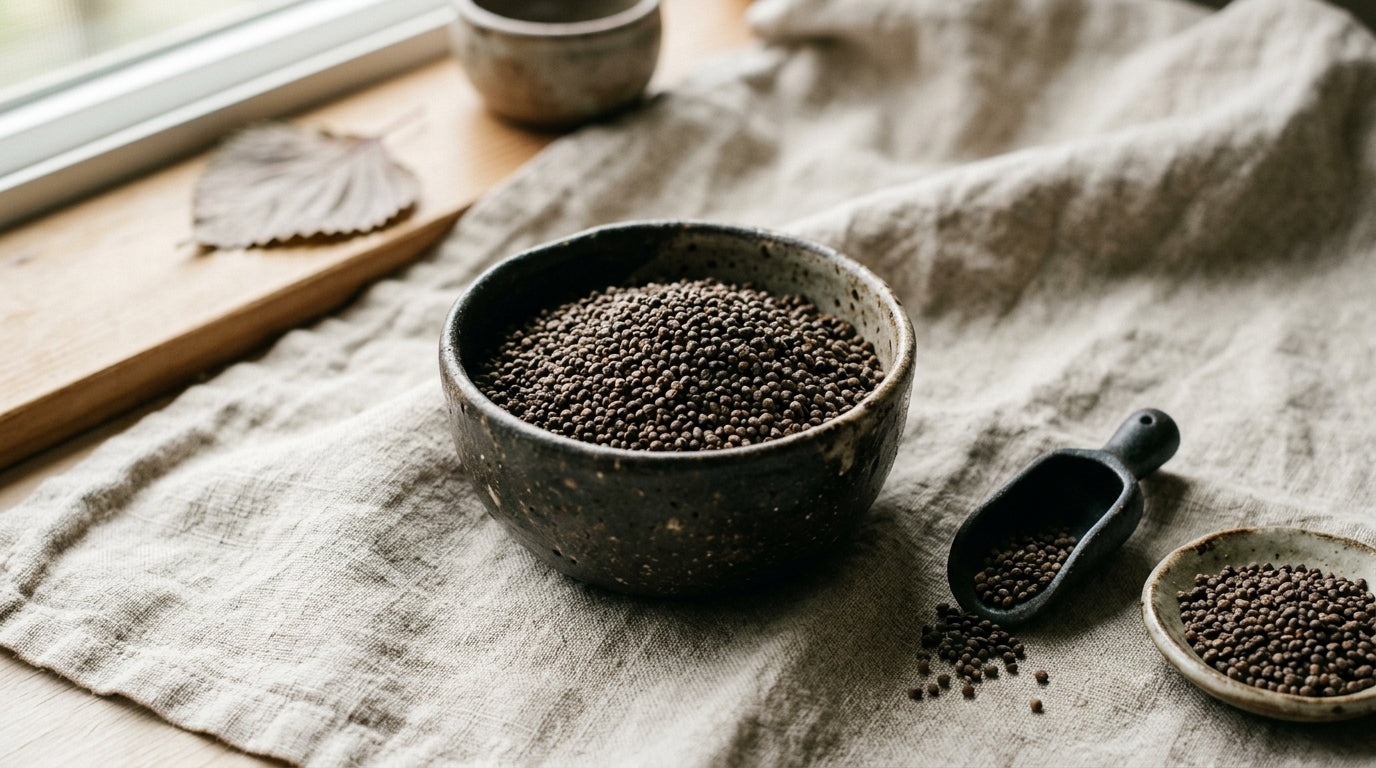
Pearl Millet (Pennisetum glaucum) is a resilient ancient grain, native to the semi-arid regions of Africa and India. It is a staple crop known for its drought tolerance and high nutritional value. This gluten-free supergrain offers significant functional benefits for cardiovascular health, metabolic regulation, and sustained energy.
Potential benefits
- Supports cardiovascular health by reducing cholesterol and regulating blood pressure.
- Enhances metabolic regulation through its low glycemic index and complex carbohydrates.
- Promotes digestive wellness with high dietary fiber, aiding regularity and gut health.
- Strengthens immune resilience with essential minerals and B vitamins.
- Contributes to bone strength via its rich content of magnesium, phosphorus, and zinc.
- Aids in weight management by promoting satiety due to its high fiber and protein content.
- Supports cognitive clarity through B vitamins essential for neural function.
How it works
Pearl millet's phenolic compounds—particularly ferulic acid (up to 2.35 mg/g), sinapic acid, and catechins—activate the Nrf2/ARE cytoprotective pathway, upregulating endogenous antioxidant enzymes including heme oxygenase-1 (HO-1), superoxide dismutase (SOD), and glutathione peroxidase (GPx), while simultaneously suppressing NF-κB nuclear translocation and downstream transcription of pro-inflammatory cytokines (TNF-α, IL-6). These bioactives directly inhibit cyclooxygenase-2 (COX-2), Janus kinase 2 (JAK2), and matrix metalloproteinase-9 (MMP9), reducing vascular inflammation and endothelial dysfunction relevant to cardiovascular disease. Pearl millet's slowly digestible and resistant starch fractions—comprising amylose contents of 20–30% and type-2 resistant starch—delay gastric emptying, attenuate postprandial glucose spikes, and modulate incretin hormone (GLP-1, GIP) release, as demonstrated in clinical glycemic response trials (PMID 31709970; PMID 39033704). Its high bioavailable iron (Fe: 6–11 mg/100 g) and zinc (Zn: 3–6 mg/100 g) support oxygen transport, immune cell proliferation, and enzymatic cofactor functions, with biofortified varieties showing enhanced absorption documented in randomized trials (PMID 35299084).
What the research says
Current evidence for pearl millet's therapeutic effects relies primarily on preclinical and in vitro studies, with no published randomized controlled trials providing quantified human outcomes. Laboratory studies demonstrate significant α-amylase inhibition suggesting antidiabetic potential, and molecular docking studies show strong binding affinity to inflammatory targets. The phenolic profile has been well-characterized, with ferulic acid identified as the dominant compound at concentrations up to 2.35 mg/g total phenolics. Human clinical trials with specific biomarker measurements are needed to validate the therapeutic claims.
Safety and interactions
Pearl millet is generally recognized as safe (GRAS) when consumed as a whole-grain food; however, it contains goitrogenic C-glycosylflavones that may impair thyroid iodine uptake with excessive long-term consumption, particularly in iodine-deficient populations—individuals with hypothyroidism or those on levothyroxine should monitor intake. Its high phytate content (0.2–0.6 g/100 g) can chelate divalent minerals (iron, zinc, calcium) and may reduce the bioavailability of concurrently administered mineral supplements or medications such as ferrous sulfate and tetracycline antibiotics; soaking, germination, or fermentation significantly reduces phytate levels. No clinically significant CYP450 interactions have been documented for pearl millet phenolics at dietary intake levels. Mycotoxin contamination (aflatoxins, fumonisins) has been reported in smallholder-produced pearl millet in sub-Saharan Africa (PMID 37014446), so sourcing from tested, quality-controlled supply chains is advisable.
Suggested use
- Common forms: Whole grain, flour, and flakes.
- Preparation: Traditionally used in flatbreads (roti), porridges, and fermented beverages. Can be incorporated into gluten-free baking, health bars, or as a rice alternative.
- Dosage: 50–100g cooked grain daily, or 10–20g flour/powder per serving, for sustained energy and metabolic support.
- Timing: Best consumed as part of meals to support blood sugar regulation.
Frequently asked questions
What are the main health benefits of pearl millet?
Pearl millet benefits include improved glycemic control—a randomized crossover trial showed significantly lower postprandial blood glucose and insulin levels compared to oats (PMID 31709970)—along with cardiovascular support through cholesterol-lowering dietary fiber (~11.5 g/100 g), enhanced iron and zinc status via biofortified varieties (PMID 35299084), and digestive wellness from its resistant starch and prebiotic fiber fractions.
Is pearl millet good for diabetics?
Yes, pearl millet has a low glycemic index (approximately 54–68 depending on preparation) and clinical evidence supports its role in diabetes management. A 2024 randomized crossover trial (PMID 39033704) demonstrated that whole-grain pearl millet beverages significantly improved glycemic and insulinemic control and reduced subsequent food intake in adults, making it a strong dietary choice for blood sugar regulation.
How does pearl millet compare to other millets nutritionally?
Pearl millet is the most widely produced millet globally and is notably higher in energy (~360 kcal/100 g), iron (6–11 mg/100 g), and zinc (3–6 mg/100 g) than finger millet or foxtail millet. Its resistant starch content and unique phenolic profile (ferulic acid up to 2.35 mg/g) also contribute superior antioxidant and anti-inflammatory activity compared to many other millet species (PMID 33712132).
Can pearl millet help with anemia and iron deficiency?
Research strongly supports pearl millet for combating iron-deficiency anemia. A randomized trial by Mehta et al. (2022) showed that iron- and zinc-biofortified pearl millet improved micronutrient status in children aged 12–18 months in urban slums (PMID 35299084). Additionally, a cluster randomized controlled trial protocol (PMID 39295425) is evaluating pearl millet beverages enriched with baobab pulp to improve iron and anaemia status among adolescent girls in Ghana.
Does pearl millet contain gluten?
Pearl millet is naturally gluten-free, making it a safe cereal alternative for individuals with celiac disease or non-celiac gluten sensitivity. Its versatile starch properties—including high swelling power and paste stability—allow it to function effectively in gluten-free baking and beverage formulations (PMID 33712132). However, cross-contamination during processing should be verified by checking product labels for gluten-free certification.
How much pearl millet should I consume daily for health benefits?
A typical serving of pearl millet is 1/2 to 1 cup of cooked grain per day, which provides approximately 8-12g of dietary fiber and substantial amounts of magnesium and B vitamins. For those using pearl millet as a staple grain rather than a supplement, consuming 1-2 servings daily as part of a balanced diet is generally safe and effective for achieving its cardiovascular and metabolic benefits. Individual needs may vary based on overall diet composition and health goals, so consulting with a nutritionist can help determine optimal intake for your specific situation.
Is pearl millet safe to consume during pregnancy and for children?
Pearl millet is considered safe for both pregnant women and children as it is a whole food grain without known toxins, and it provides valuable nutrients like magnesium, iron, and B vitamins that support fetal development and childhood growth. Its gluten-free nature and low allergenicity make it particularly suitable for introducing to children and those with dietary sensitivities. However, pregnant women should ensure adequate overall calorie and nutrient intake, and children should consume age-appropriate portions as part of a varied diet.
Does pearl millet interact with medications or affect nutrient absorption?
Pearl millet contains phytic acid, a compound that can bind certain minerals like zinc, iron, and calcium, potentially reducing their bioavailability when consumed in very large quantities, though standard dietary consumption is unlikely to cause clinically significant interactions. There are no documented direct interactions between pearl millet and common medications, making it safe to consume alongside most pharmaceutical treatments. Soaking, sprouting, or fermenting pearl millet can reduce phytic acid content and enhance mineral absorption if mineral bioavailability is a concern.
References
- https://www.ncbi.nlm.nih.gov/search/all/?term=Pearl+Millet
- https://fdc.nal.usda.gov/fdc-app.html#/search?query=Pearl+Millet
- https://pubmed.ncbi.nlm.nih.gov/33798765
- https://www.sciencedirect.com/science/article/pii/S2213453019303185
- https://www.ncbi.nlm.nih.gov/pmc/articles/PMC7156975/
This article is educational and is not medical advice. Statements have not been evaluated by the FDA and are not intended to diagnose, treat, cure, or prevent any disease. Consult a healthcare professional before use.