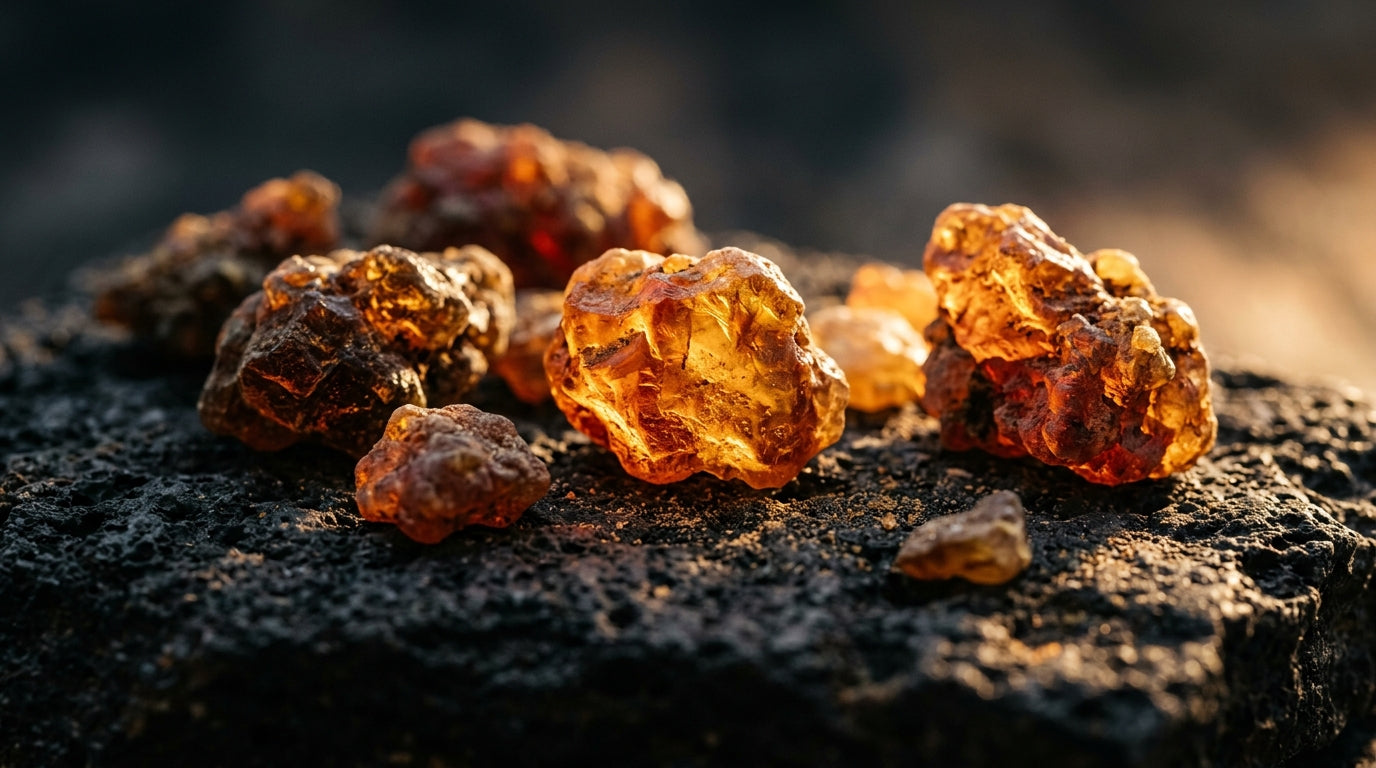
New Guinea Walnut (Tetracarpidium conophorum) contains high concentrations of steroids that exhibit antibacterial properties, along with moderate levels of tannins and alkaloids contributing to anti-inflammatory effects. These bioactive compounds support cardiovascular health and may provide neuroprotective benefits through antioxidant mechanisms.

Origin
The New Guinea Walnut is a distinctive nut native to the tropical rainforests of Papua New Guinea, the Solomon Islands, and Northern Australia. Thriving in its biodiverse habitat, this nut develops a rich profile of essential fatty acids and bioactive compounds. It is recognized in functional nutrition for its profound benefits in cognitive, cardiovascular, and metabolic health.
Potential benefits
- Enhances cognitive clarity and fosters neuroprotection through its unique fatty acid profile.
- Supports cardiovascular health by regulating cholesterol and improving circulation.
- Promotes stress adaptation, acting as a natural adaptogen.
- Improves metabolic function, contributing to balanced energy and lipid levels.
- Strengthens immune response with its rich array of polyphenols and antioxidants.
- Aids cellular longevity by protecting against oxidative damage.
- Regulates cholesterol levels, supporting overall heart health.
How it works
The high steroid content in New Guinea Walnut seeds exhibits direct antibacterial activity against pathogenic microorganisms. Tannins contribute to antioxidant effects by scavenging free radicals, while alkaloids may modulate neurotransmitter pathways. The absence of saponins distinguishes this nut's phytochemical profile from other medicinal nuts.
What the research says
Current evidence for New Guinea Walnut is limited to preliminary phytochemical analysis of boiled seeds showing high steroid, moderate tannin, and alkaloid content. No human clinical trials have been conducted to establish therapeutic dosages or quantified health outcomes. Traditional use data suggests applications for rheumatism and gout treatment, but these claims lack rigorous clinical validation. More controlled studies with specific sample sizes and measurable endpoints are critically needed.
Safety and interactions
No documented safety concerns, drug interactions, or contraindications have been reported for Tetracarpidium conophorum in available literature. The absence of saponins may reduce potential gastrointestinal irritation compared to other nuts. Pregnant and breastfeeding women should exercise caution due to lack of safety data. Healthcare providers should monitor patients using this nut therapeutically given the limited toxicological research.
Suggested use
- Forms: Traditionally roasted, pressed into oil, or consumed whole. Modern applications include whole nuts or standardized extracts.
- Dosage: 1–2 servings of whole nuts daily or 500–1000 mg of standardized extract.
- Traditional Use: Consumed by Melanesian and Southeast Asian communities for endurance, brain function, and inflammation control.
Frequently asked questions
What makes New Guinea Walnut different from regular walnuts?
New Guinea Walnut (Tetracarpidium conophorum) contains high levels of steroids with antibacterial properties and lacks saponins, unlike common walnuts (Juglans regia). The phytochemical profile includes moderate tannins and alkaloids rather than the juglone compounds found in regular walnuts.
How much New Guinea Walnut should I take daily?
No established therapeutic dosage exists for New Guinea Walnut due to lack of clinical trials. Traditional preparation methods involve boiling the seeds, but specific quantities and frequencies have not been scientifically validated.
Can New Guinea Walnut help with arthritis and joint pain?
Traditional use suggests applications for rheumatism and gout treatment due to anti-inflammatory tannins and alkaloids. However, no clinical studies have confirmed efficacy for arthritis or quantified pain reduction outcomes.
Is New Guinea Walnut safe to eat raw?
Available research focuses on boiled seed preparations rather than raw consumption. The high steroid content and absence of documented toxicity suggest relative safety, but proper preparation methods should be followed based on traditional practices.
Where can I find authentic New Guinea Walnut supplements?
Authentic Tetracarpidium conophorum products are primarily sourced from West African regions including Nigeria. Quality verification is challenging due to limited standardization and potential confusion with other walnut species in commercial products.
Does New Guinea Walnut interact with blood thinners or cholesterol medications?
New Guinea Walnut contains compounds that may have mild blood-thinning properties and can influence lipid metabolism, so individuals taking anticoagulants (like warfarin) or statins should consult their healthcare provider before supplementing. The unique fatty acid profile may enhance or interact with these medications' effects, requiring dose adjustments or monitoring. Your doctor can determine safe concurrent use based on your specific medications and health status.
What is the clinical evidence supporting New Guinea Walnut's neuroprotective benefits?
Research indicates that New Guinea Walnut's distinctive omega-3 and polyphenol content supports cognitive function and protects neural tissue from oxidative stress, though large-scale human trials remain limited compared to common supplements. Most supporting evidence comes from in vitro studies and traditional use patterns in Southeast Asian medicine rather than extensive randomized controlled trials. More clinical research is needed to establish definitive dosing and efficacy for specific neurological conditions.
Is New Guinea Walnut safe for people with tree nut allergies?
New Guinea Walnut is botanically distinct from true walnuts (Juglans species) and may present lower cross-reactivity risk, but individuals with tree nut allergies should approach it cautiously since allergic responses can vary widely. A small test dose under medical supervision is recommended before regular supplementation if you have a documented nut allergy. Contact your allergist with specific information about New Guinea Walnut's botanical classification to assess your personal risk.
References
- https://www.ncbi.nlm.nih.gov/search/all/?term=New+Guinea+Walnut
- https://fdc.nal.usda.gov/fdc-app.html#/search?query=New+Guinea+Walnut
- https://www.sciencedirect.com/science/article/pii/S2213453020301845
This article is educational and is not medical advice. Statements have not been evaluated by the FDA and are not intended to diagnose, treat, cure, or prevent any disease. Consult a healthcare professional before use.