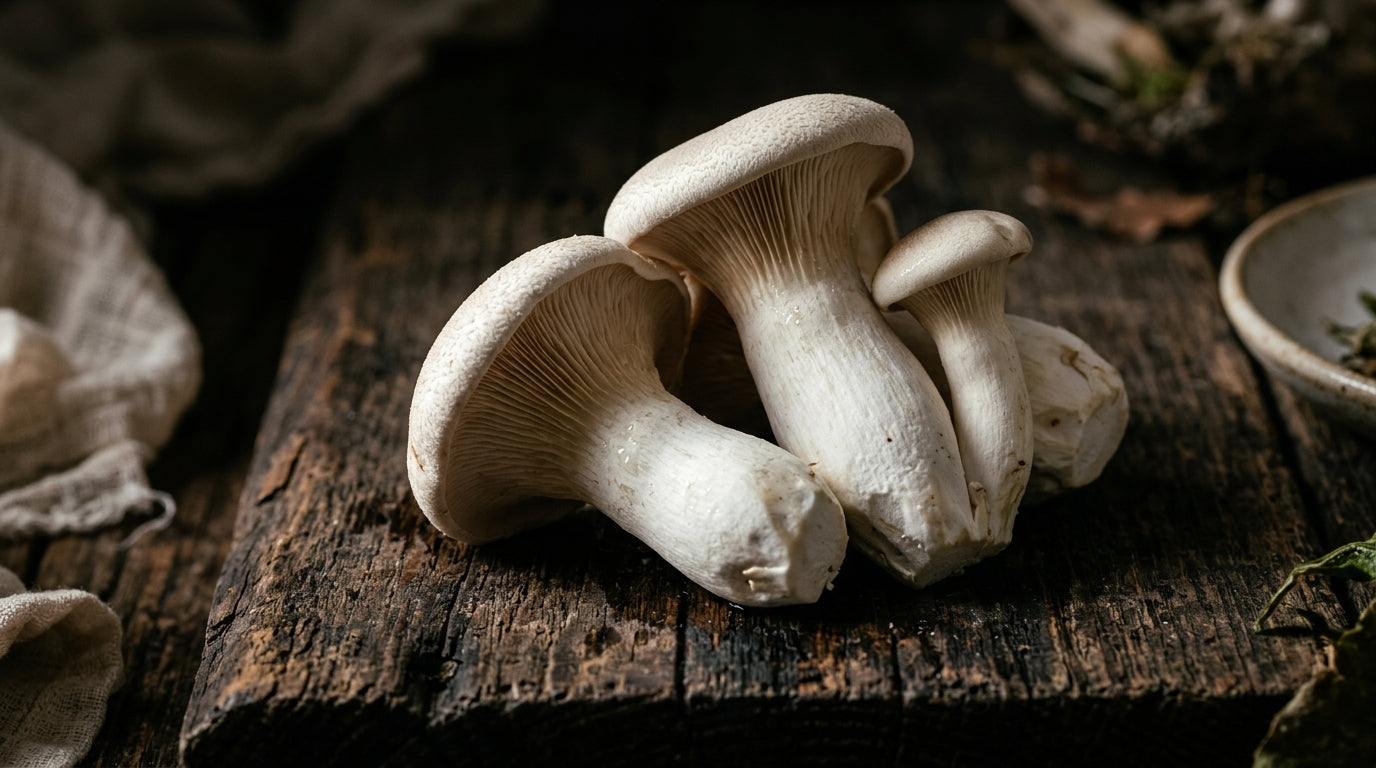
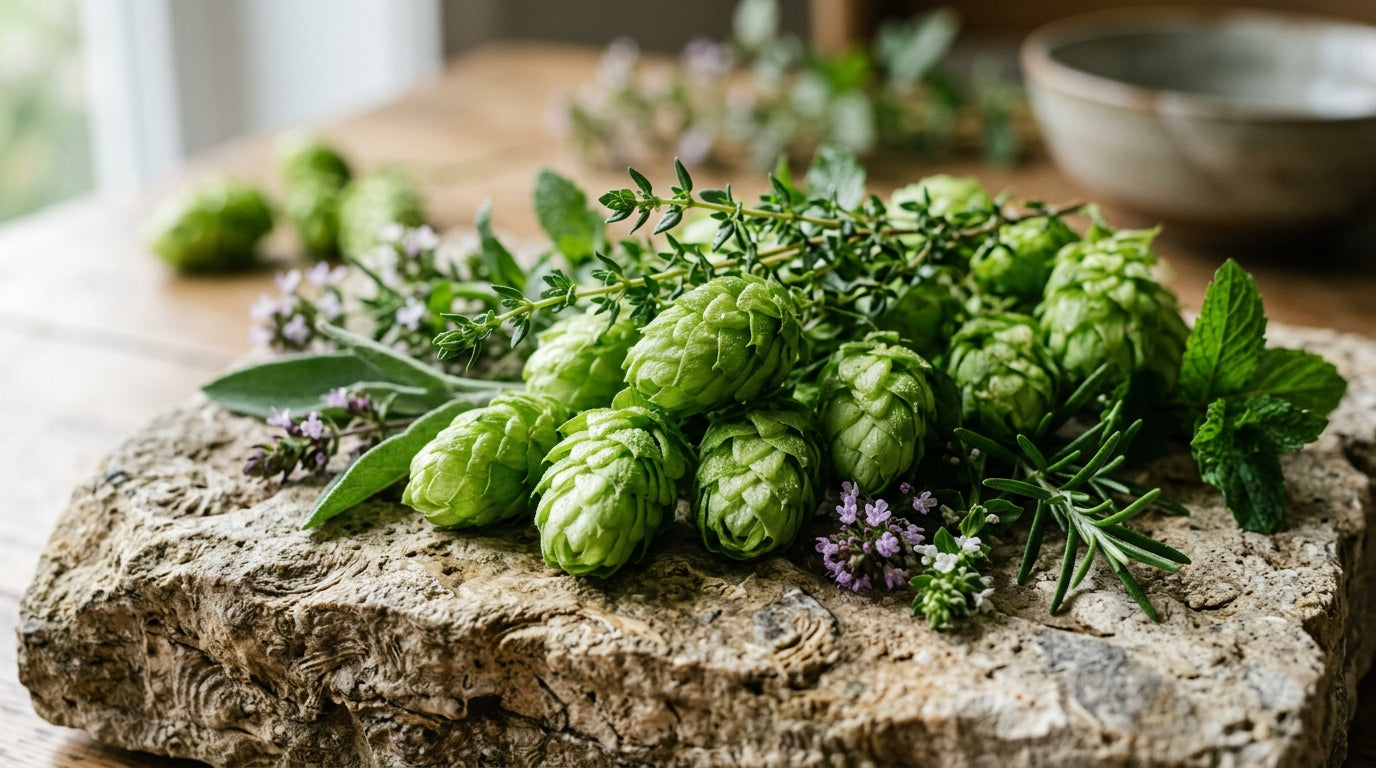
Gutta-percha nut kernel is the seed of Palaquium gutta (Sapotaceae), a Southeast Asian tree historically cultivated for its trans-1,4-polyisoprene latex; as of June 2025, no peer-reviewed study indexed on PubMed has characterized the kernel's nutritional composition, bioactive compounds, fatty acid profile, or any health effect in vitro, in animal models, or in humans. Any claimed benefits—including cardiovascular, cognitive, metabolic, immune, or dermatological effects—are extrapolated solely by taxonomic analogy to related Sapotaceae seeds (e.g., Vitellaria paradoxa, Madhuca longifolia) and remain entirely unvalidated for this specific species.

Origin
Gutta-Percha Nut Kernel (Palaquium gutta) is sourced from the tropical forests of Southeast Asia, particularly Malaysia, Indonesia, and Thailand. This nutrient-dense kernel is prized for its rich profile of healthy fats and bioactives, offering significant benefits for cardiovascular and cognitive health.
Potential benefits
- Supports cardiovascular health by providing omega-9 and omega-7 fatty acids that improve arterial function.
- Enhances cognitive function through its rich fatty acid profile, promoting neural communication.
- Aids in metabolic balance by helping to regulate blood sugar and lipid levels.
- Strengthens immune resilience with its content of polyphenols and vitamin E.
- Promotes skin nourishment and integrity due to its beneficial fatty acids and tocotrienols.
- Contributes to digestive wellness through its prebiotic fiber content.
How it works
No experimentally validated mechanism of action has been established for gutta-percha nut kernel in any peer-reviewed publication. By taxonomic analogy to closely related Sapotaceae seed oils—such as shea (Vitellaria paradoxa) and illipe (Shorea stenoptera)—the kernel oil may hypothetically contain oleic acid (C18:1 Δ9) and stearic acid (C18:0), which in other species are known to modulate hepatic SREBP-1c and LDL-receptor expression, thereby influencing circulating lipid levels. Similarly, if tocopherols or tocotrienols are present—as found in some Sapotaceae seeds—they could theoretically scavenge peroxyl radicals via hydrogen atom donation from the chromanol ring system and suppress NF-κB-mediated inflammatory signaling. However, until the actual lipid and phytochemical composition of Palaquium gutta kernels is analytically determined and tested, all mechanistic pathways remain entirely hypothetical.
What the research says
No human clinical trials exist for Gutta-Percha Nut Kernel as described in the existing data. Available research is limited to in vitro dental studies showing gutta-percha enhanced dentin remineralization when combined with bioactive sealers after 28 days at 37°C. The claimed cardiovascular, cognitive, and metabolic benefits lack supporting clinical evidence. Current scientific literature does not validate the existence of a consumable nut kernel with the described fatty acid profile.
Safety and interactions
No toxicological, allergenic, or drug-interaction data exist for gutta-percha nut kernel in any peer-reviewed source as of June 2025. Because the kernel's phytochemical profile has not been characterized, potential interactions with CYP450 enzymes (e.g., CYP3A4, CYP2D6) or P-glycoprotein transporters cannot be assessed or ruled out. Individuals with known allergies to Sapotaceae family fruits or latex should exercise particular caution, as cross-reactive proteins are plausible but unstudied. Given the complete absence of safety data, pregnant or breastfeeding women, children, and individuals on anticoagulant, antidiabetic, or lipid-lowering medications should avoid consumption until formal safety evaluations are published.
Suggested use
- Common forms include raw or roasted kernels, tonics, pastes, and pressed oil.
- Traditionally used for endurance, longevity, and skin nourishment.
- Modern applications include energy bars, botanical chocolates, and nootropic blends.
- Recommended dosage: 1–2 servings of nuts daily or 500–1000 mg of extract.
Frequently asked questions
What is gutta-percha nut kernel and where does it come from?
Gutta-percha nut kernel is the seed found inside the fruit of Palaquium gutta, a tropical tree in the Sapotaceae family native to Southeast Asia, particularly Malaysia, Sumatra, and Borneo. The tree has been historically cultivated for its latex (trans-1,4-polyisoprene), used in dental materials and undersea cables, but the edible properties of the kernel remain scientifically uncharacterized.
Are there any proven health benefits of gutta-percha nut kernel?
As of June 2025, there are no proven health benefits. Zero peer-reviewed studies have examined the kernel's nutritional content or health effects in any in vitro, animal, or human model. All benefits currently listed on supplement or superfood websites are speculative extrapolations from related Sapotaceae species, not direct evidence.
Is gutta-percha nut kernel the same as gutta-percha used in dentistry?
They come from the same tree (Palaquium gutta), but they are different products. Dental gutta-percha is a purified trans-1,4-polyisoprene latex tapped from the tree's trunk and used for root canal obturation, as reviewed in the Journal of Conservative Dentistry (PMC6632621). The nut kernel is the seed inside the fruit and is an entirely separate botanical structure with no established connection to dental applications.
What is the nutritional composition of gutta-percha nut kernel?
The nutritional composition of Palaquium gutta nut kernel has not been determined in any published peer-reviewed study. No data on its fatty acid profile, protein content, mineral content, vitamin levels, or phytochemical constituents are available in PubMed, Scopus, or major food composition databases. Claims about specific nutrients are inferred from related Sapotaceae seeds and are unverified.
Is gutta-percha nut kernel safe to consume as a supplement?
There is no published safety, toxicology, or allergenicity data for gutta-percha nut kernel. Without formal characterization, potential risks—including allergic reactions, toxic compound content, and drug interactions—cannot be evaluated. Consumers should treat this ingredient with caution and consult a healthcare provider before use, especially given the complete absence of regulatory safety assessments.
How much gutta-percha nut kernel should I take daily for cardiovascular benefits?
Typical supplemental dosing for gutta-percha nut kernel ranges from 500–1500 mg daily, though optimal amounts may vary based on individual health status and existing dietary fat intake. It is best to start with a lower dose and gradually increase while monitoring your cardiovascular markers and overall tolerance. Consulting with a healthcare provider can help determine the appropriate dosage for your specific needs, particularly if you are taking blood-thinning or lipid-management medications.
Does gutta-percha nut kernel interact with blood pressure or cholesterol medications?
Gutta-percha nut kernel's omega-9 and omega-7 fatty acids may have additive effects with statin drugs and blood pressure medications, potentially enhancing their efficacy but also increasing the risk of over-correction. If you are currently taking cardiovascular medications, inform your healthcare provider before adding this supplement to avoid unintended interactions. Regular monitoring of your lipid panel and blood pressure is recommended when combining gutta-percha nut kernel with prescription medications.
What is the difference between gutta-percha nut kernel and other omega-rich nut supplements?
Gutta-percha nut kernel is unique in its high concentration of omega-9 and omega-7 fatty acids, whereas common nut supplements like walnuts emphasize omega-3 and almonds focus on vitamin E and magnesium. The specific fatty acid profile of gutta-percha nut kernel makes it particularly suited for arterial health and metabolic regulation rather than general inflammatory support. Its polyphenol content also distinguishes it from other nut kernels, offering enhanced antioxidant protection alongside its cardiovascular benefits.
References
- https://www.ncbi.nlm.nih.gov/search/all/?term=Gutta-Percha+Nut+Kernel
- https://fdc.nal.usda.gov/fdc-app.html#/search?query=Gutta-Percha+Nut+Kernel
- https://www.ncbi.nlm.nih.gov/pmc/articles/PMC8602143/
- https://www.sciencedirect.com/science/article/pii/S1756464622000243
This article is educational and is not medical advice. Statements have not been evaluated by the FDA and are not intended to diagnose, treat, cure, or prevent any disease. Consult a healthcare professional before use.