Tiger nut flour is a gluten-free flour milled from Cyperus esculentus tubers, rich in phenolic compounds (quercetin, myricetin), resistant starch, and monounsaturated fatty acids that inhibit α-glucosidase activity by 29.6–67% to support blood sugar regulation and exhibit DPPH antioxidant values up to 962.3 mg TE/g. Research published in Food Science and Technology International (PMID 24854294) and Food Science & Nutrition (PMID 28070311) confirms its utility as a nutrient-dense, high-fiber ingredient in gluten-free and fortified food formulations, while newer studies demonstrate its compatibility with probiotic strains for enhanced gut health functionality (PMID 39200468).

Origin
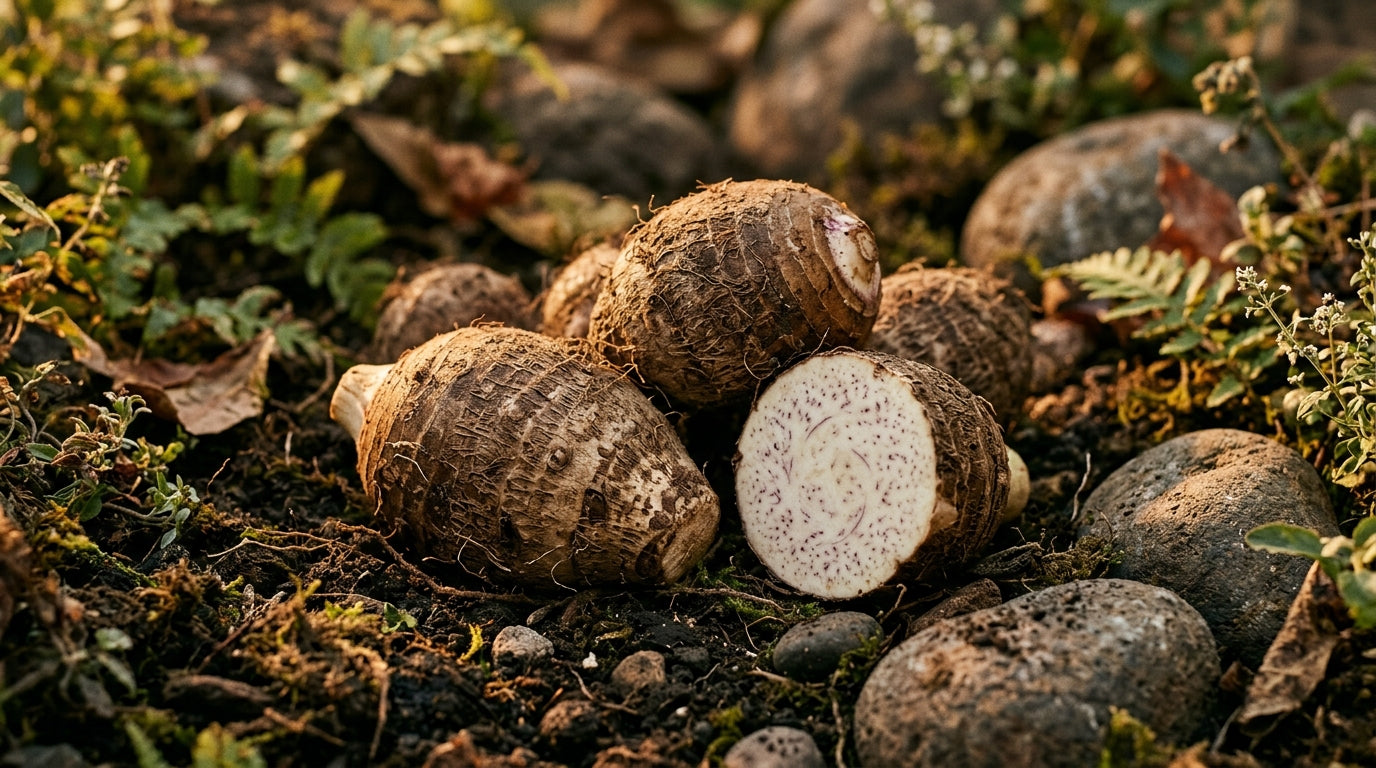
Tiger Nut Flour is a gluten-free, nutrient-dense flour derived from the ground tubers of Cyperus esculentus, a sedge grass native to the Mediterranean, West Africa, and parts of the Middle East. This ancient superfood, cultivated for millennia, offers a naturally sweet and nutty flavor. It is prized for its versatility in functional foods and its significant contributions to digestive and cardiovascular health.
Potential benefits
- Supports digestive health and gut microbiome balance through its high prebiotic fiber content.
- Promotes cardiovascular and heart health via monounsaturated fats and omega-9 fatty acids.
- Aids blood sugar regulation by slowing glucose absorption and enhancing satiety.
- Enhances skin hydration, collagen production, and antioxidant protection through Vitamin E.
- Strengthens immune function and protects against oxidative stress with Vitamin C, iron, and polyphenols.
- Aids weight management through enhanced satiety and balanced nutrient delivery.
How it works
Tiger nut flour's bioactive phenolic compounds—principally quercetin, myricetin, and catechins—competitively inhibit the active sites of carbohydrate-hydrolyzing enzymes α-glucosidase (29.6–67% inhibition) and α-amylase, slowing the breakdown of complex carbohydrates into glucose and attenuating postprandial blood sugar spikes. Its high resistant starch content (approximately 8–12% of dry weight) escapes upper gastrointestinal digestion and undergoes fermentation by colonic microbiota into short-chain fatty acids (SCFAs) such as butyrate and propionate, which strengthen intestinal barrier integrity and modulate GLP-1 secretion for improved insulin sensitivity. The oleic acid-rich lipid profile (approximately 65–75% of total fat as monounsaturated fatty acids) downregulates hepatic LDL receptor activity and reduces circulating LDL cholesterol. Free radical scavenging occurs via electron donation through DPPH, ABTS⁺, and FRAP pathways, with tocopherols (vitamin E) and polyphenols neutralizing reactive oxygen species and inhibiting lipid peroxidation cascades.
What the research says
Current evidence derives primarily from in vitro assays and food formulation studies rather than human clinical trials. Laboratory studies demonstrate total phenolic content of 250.50 mg/100g and antioxidant activity with ABTS values of 45-65 µM TE/g. Food studies show successful incorporation into baked goods at 10-25% substitution levels with maintained sensory acceptance. Human clinical trials are needed to validate therapeutic benefits and establish dosing protocols.
Safety and interactions
Tiger nut flour is generally recognized as safe for most adults when consumed in typical dietary amounts; however, Kespohl et al. (2025, PMID 40709280) identified that tiger nut flour used in bread baking may pose a hidden risk for individuals with IgE-mediated inhalant allergies to grasses, due to potential cross-reactive allergens in Cyperus esculentus. Despite the common name, tiger nuts are tubers (not true nuts), so they are typically safe for individuals with tree nut allergies, though individual assessment is recommended. The high fiber and resistant starch content may cause gastrointestinal discomfort (bloating, flatulence) at high doses, particularly in individuals with irritable bowel syndrome. No significant CYP450 interactions have been documented in the literature; however, the α-glucosidase inhibitory activity suggests caution when co-administered with antidiabetic medications such as acarbose or miglitol, as additive hypoglycemic effects are theoretically possible.
Suggested use
- Common Forms: Used as a gluten-free flour in baking (bread, muffins, cookies, pancakes).
- Culinary Uses: Added to smoothies or shakes for a fiber and nutrient boost; used as a thickener in soups or sauces.
- Recommended Usage: Replace up to 25% of regular flour in recipes or use as the primary flour in grain-free baking.
Frequently asked questions
What is tiger nut flour made from?
Tiger nut flour is made by drying and milling the small tubers of Cyperus esculentus, a sedge plant also known as chufa or earth almond. Despite its name, it is not derived from a true nut but from an underground tuber, making it naturally gluten-free and generally safe for those with tree nut allergies. The resulting flour is rich in resistant starch, monounsaturated fats, and prebiotic fiber.
Is tiger nut flour safe for people with nut allergies?
Tiger nuts are tubers, not tree nuts or legumes, so tiger nut flour is typically safe for individuals with tree nut allergies. However, Kespohl et al. (2025, PMID 40709280) identified potential IgE-mediated cross-reactivity risks for individuals with grass pollen allergies when tiger nut flour is used in baked goods. Individuals with known allergies should consult an allergist before introducing tiger nut flour into their diet.
What are the health benefits of tiger nut flour?
Tiger nut flour supports digestive health through high prebiotic fiber and resistant starch that feed beneficial gut bacteria and promote SCFA production, as confirmed by probiotic viability studies (PMID 39200468). Its monounsaturated fatty acid content (primarily oleic acid) promotes cardiovascular health by helping reduce LDL cholesterol. Additionally, its phenolic compounds inhibit α-glucosidase by up to 67%, aiding blood sugar regulation, while vitamin E and polyphenols provide potent antioxidant protection.
Can tiger nut flour be used in gluten-free baking?
Yes, tiger nut flour is naturally gluten-free and has been studied extensively as a gluten-free baking ingredient. Aguilar et al. (2015, PMID 24854294) demonstrated that tiger nut-derived products improve the texture, volume, and nutritional profile of gluten-free batters and breads. Awolu et al. (2017, PMID 28070311) also showed successful incorporation into maize-based snacks with enhanced protein and fat content and high sensory acceptability.
Does tiger nut flour help with blood sugar control?
Tiger nut flour contains phenolic compounds such as quercetin and myricetin that inhibit α-glucosidase activity by 29.6–67%, which slows carbohydrate digestion and reduces postprandial glucose spikes. Its resistant starch content further delays glucose absorption and promotes GLP-1 secretion via colonic fermentation. While these mechanisms are promising, individuals on antidiabetic medications should consult a healthcare provider due to potential additive hypoglycemic effects.
How much tiger nut flour should I consume daily for digestive and prebiotic benefits?
A typical daily intake ranges from 1 to 3 tablespoons (about 10-30 grams) of tiger nut flour, though this can be adjusted based on individual tolerance and digestive goals. Starting with a lower amount and gradually increasing helps your gut microbiome adapt to the high prebiotic fiber content. It is best consumed as part of meals or mixed into beverages to maximize digestive benefits and minimize any potential bloating from the fiber increase.
Is tiger nut flour safe for pregnant women and children?
Tiger nut flour is generally recognized as safe for both pregnant women and children when consumed in normal food amounts, as it is a whole food ingredient with no known toxins. However, pregnant women should ensure adequate hydration when consuming high-fiber foods like tiger nut flour, and children should be introduced to it gradually to assess tolerance. As always, consulting with a healthcare provider before adding any new supplement ingredient during pregnancy or for young children is recommended.
What is the difference between tiger nut flour and other nut flours in terms of nutritional profile?
Unlike most tree nut flours, tiger nut flour is unique in its high prebiotic resistant starch content and significantly lower fat profile, making it suitable for those avoiding high-fat alternatives like almond or coconut flour. Tiger nut flour also contains more minerals like potassium and magnesium compared to many nut flours, while providing comparable amounts of fiber and plant-based protein. Its omega-9 fatty acid composition differs from other nuts, offering cardiovascular benefits without the high calories typically associated with traditional nut flours.
References
- https://www.frontiersin.org/articles/10.3389/fphar.2021.679076/full
- https://pubmed.ncbi.nlm.nih.gov/32099270
- https://doi.org/10.1016/j.foodchem.2020.127888
- https://www.sciencedirect.com/science/article/pii/S1756464619308254
- https://www.ncbi.nlm.nih.gov/pmc/articles/PMC7499017/
This article is educational and is not medical advice. Statements have not been evaluated by the FDA and are not intended to diagnose, treat, cure, or prevent any disease. Consult a healthcare professional before use.