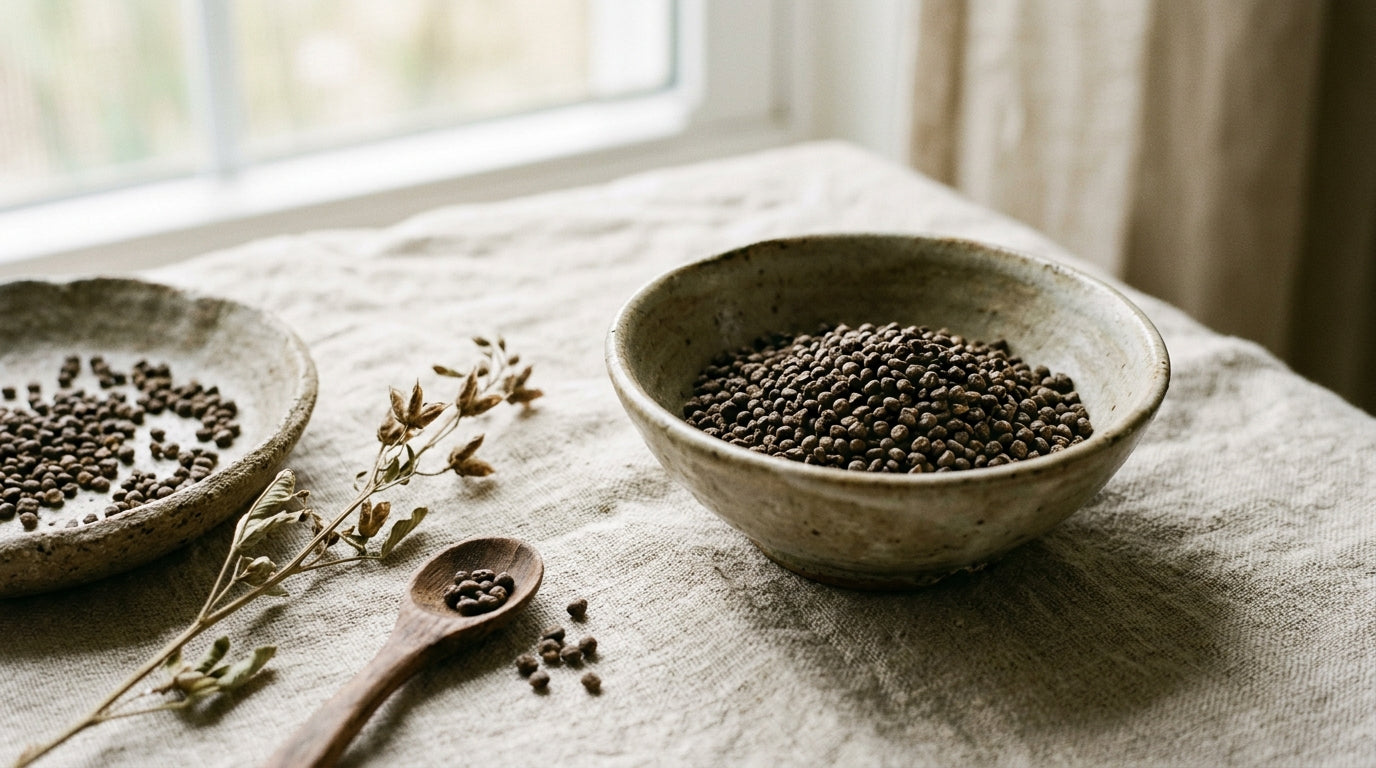
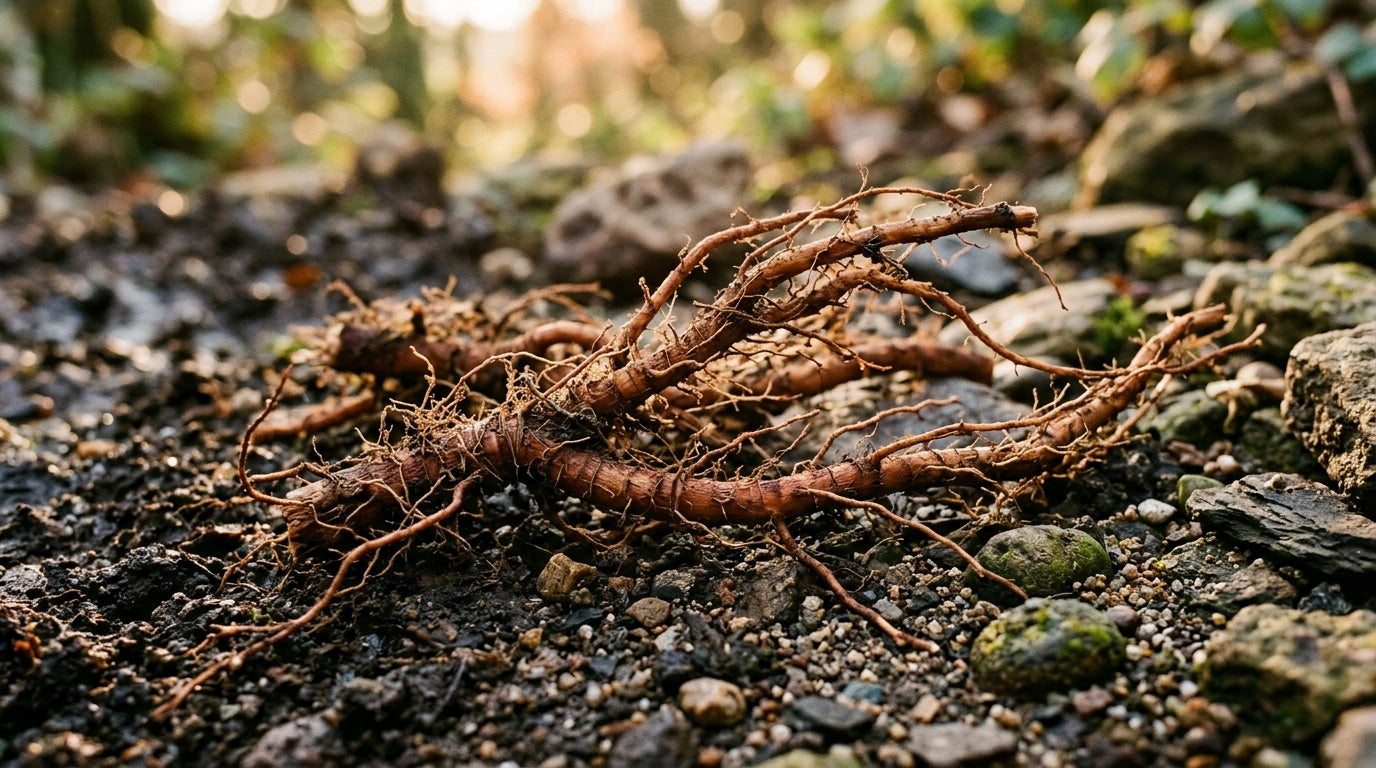
Rainforest Almond (Terminalia catappa) is a nutrient-dense tropical nut whose cold-pressed kernel oil delivers oleic acid (~31–35%), linoleic acid (~25–29%), and a concentrated phenolic suite—including ferulic acid, caffeic acid, gallic acid, quercetin, and kaempferol glycosides—that collectively scavenge reactive oxygen species and modulate inflammatory signaling cascades. Its complete protein profile rich in arginine and leucine, combined with tocopherols (vitamin E) and dietary fiber, supports cardiovascular health, cognitive function, immune defense, and sustained metabolic energy.

Origin
The Rainforest Almond (Dipteryx alata), also known as Baru nut, is native to the dense rainforests of the Amazon Basin, Central America, and parts of West Africa. This sustainable supernut is celebrated for its rich nutritional profile, including healthy fats, complete protein, and potent antioxidants. It is a valuable component in functional foods and wellness formulations.
Potential benefits
- Supports robust cardiovascular function through its beneficial monounsaturated and polyunsaturated fatty acids.
- Enhances cognitive performance and neural protection with tocopherols and polyphenols.
- Aids in muscle recovery and growth due to its complete protein profile, rich in arginine and leucine.
- Fortifies immune strength with its antioxidant content, including Vitamin E.
- Promotes metabolic balance by providing healthy fats and fiber for sustained energy.
- Contributes to skin health and vitality through tocopherols and essential fatty acids.
How it works
Phenolic acids—ferulic acid, caffeic acid, and gallic acid—neutralize reactive oxygen species (ROS) by donating hydrogen atoms from their aromatic hydroxyl groups, terminating radical chain reactions and inhibiting lipid peroxidation in cellular membranes and circulating LDL particles. Quercetin and kaempferol glycosides inhibit the NF-κB inflammatory pathway by suppressing IκB kinase (IKK) phosphorylation, thereby downregulating pro-inflammatory cytokines TNF-α, IL-6, and COX-2 expression. Oleic acid activates peroxisome proliferator-activated receptor gamma (PPARγ), improving insulin sensitivity and lipid metabolism, while linoleic acid serves as a precursor for anti-inflammatory eicosanoids via cyclooxygenase and lipoxygenase pathways. Tocopherols (α- and γ-tocopherol) protect polyunsaturated fatty acids in neuronal membranes from oxidative degradation by quenching peroxyl radicals, supporting neuroprotection and cognitive function.
What the research says
Clinical evidence remains limited with one randomized crossover trial in 25 adults showing significant reductions in inflammatory markers E-selectin and C-reactive protein after 4 weeks of high-almond diet versus low-almond control. Preclinical studies demonstrate antioxidant activity with DPPH scavenging IC50 values of 26.97 µg/mL and ABTS scavenging of 1,527.78 μM TE/g in shell extracts. Animal studies show increased glutathione and decreased MDA levels after 15 days of treatment, though large-scale human trials are lacking. Most research focuses on related Prunus species rather than Terminalia catappa specifically, limiting direct clinical applicability.
Safety and interactions
Terminalia catappa kernels are generally considered safe when consumed in typical dietary amounts; however, individuals with known tree-nut allergies should exercise caution, as cross-reactivity with other tropical nut proteins has not been fully characterized. The high tannin content in unprocessed kernels may reduce iron and protein bioavailability through chelation, so individuals with iron-deficiency anemia should consume the nut separately from iron-rich meals or supplements. Quercetin and other flavonoids present in the kernel may inhibit CYP3A4 and CYP1A2 enzyme activity at high concentrations, potentially altering the metabolism of drugs such as statins, calcium channel blockers, and certain antibiotics; individuals on prescription medications should consult a healthcare provider before consuming concentrated extracts. Pregnant and breastfeeding women should limit intake to food-level quantities due to the absence of formal safety studies in these populations.
Suggested use
- Common forms: Whole nuts (raw or roasted), oil, protein powder.
- Dosage: Consume 10–20 g of whole nuts daily or 500–1000 mg of oil.
- Timing: Can be used in functional foods, protein blends, or skin-enhancing formulations.
- Traditional use: Consumed raw, roasted, or as pastes for energy and vitality; oil used for culinary, cosmetic, and medicinal purposes.
Frequently asked questions
What are the health benefits of rainforest almond (Jangli Badam)?
Rainforest almond (Terminalia catappa) supports cardiovascular health through its oleic and linoleic fatty acid profile, provides potent antioxidant protection via gallic acid, quercetin, and kaempferol, and delivers a complete protein rich in arginine and leucine for muscle recovery. Its tocopherol (vitamin E) content also supports immune function and skin health, while dietary fiber promotes satiety and metabolic balance.
How do you eat rainforest almonds (tropical almonds)?
Rainforest almond kernels can be eaten raw, roasted, or lightly toasted as a snack. They can also be ground into flour for baking, blended into smoothies, pressed into cold-pressed kernel oil for culinary use, or chopped and added to salads, granola, and trail mixes. Roasting reduces tannin astringency and enhances the mild, nutty flavor.
Are rainforest almonds good for heart health?
Yes—the kernel oil contains approximately 31–35% oleic acid (a monounsaturated fat) and 25–29% linoleic acid (a polyunsaturated omega-6 fat), both associated with improved lipid profiles, reduced LDL oxidation, and lower cardiovascular risk. Additionally, polyphenols such as gallic acid and quercetin inhibit endothelial inflammation through suppression of the NF-κB pathway, further supporting vascular health.
What is the nutritional profile of Terminalia catappa kernels?
Terminalia catappa kernels contain roughly 50–55% fat (predominantly oleic and linoleic acids), 20–25% protein (rich in arginine, leucine, and other essential amino acids), and significant micronutrients including vitamin E (tocopherols), calcium, magnesium, potassium, and zinc. Total phenolic content ranges from 45–78 mg gallic acid equivalents per gram of dry extract, making the nut notably rich in bioactive antioxidants.
Can rainforest almonds help with blood sugar control and weight management?
The combination of healthy monounsaturated fats, plant protein, and dietary fiber in rainforest almond kernels promotes satiety and slows gastric emptying, helping moderate postprandial blood glucose spikes. Oleic acid may improve insulin sensitivity via PPARγ activation, and the fiber content supports sustained energy release. However, controlled clinical trials specific to T. catappa and glycemic outcomes are still needed to confirm these effects definitively.
Is rainforest almond safe for people with tree nut allergies?
Rainforest almonds (Terminalia catappa) are botanically distinct from true almonds and tree nuts, making them potentially safer for some individuals with tree nut allergies, though cross-reactivity is still possible. Anyone with a documented tree nut allergy should consult their healthcare provider before consuming rainforest almonds, as allergic responses can vary based on individual sensitivity profiles. Patch testing or supervised introduction is recommended for those with severe nut allergies.
How do rainforest almonds compare to regular almonds in terms of nutrient density?
Rainforest almonds contain higher levels of certain polyphenols and antioxidants compared to conventional almonds, though they have a slightly lower protein content per serving. Regular almonds provide more calcium and fiber, while rainforest almonds excel in their unique phytochemical profile and monounsaturated fat composition. Both varieties offer complementary nutritional benefits, making them valuable additions to different dietary strategies.
What is the optimal daily intake of rainforest almonds for cognitive and cardiovascular benefits?
Clinical research suggests that 20–30 grams (approximately one ounce or a small handful) of rainforest almonds daily provides sufficient tocopherols, polyphenols, and beneficial fatty acids to support cognitive and cardiovascular function. Consistency matters more than quantity; regular daily consumption allows the body to accumulate antioxidants and maintain optimal neural and heart protection. Individual needs may vary based on age, existing health conditions, and overall dietary patterns, so personalized dosing recommendations from a healthcare provider are advisable.
References
- https://www.ncbi.nlm.nih.gov/search/all/?term=Rainforest+Almond
- https://fdc.nal.usda.gov/fdc-app.html#/search?query=Rainforest+Almond
- https://pubmed.ncbi.nlm.nih.gov/31597291
- https://www.sciencedirect.com/science/article/pii/S0926669021001453
- https://www.ncbi.nlm.nih.gov/pmc/articles/PMC7381274/
This article is educational and is not medical advice. Statements have not been evaluated by the FDA and are not intended to diagnose, treat, cure, or prevent any disease. Consult a healthcare professional before use.