Turmeric root contains curcumin, a bioactive compound that inhibits inflammatory enzymes like COX-2 and 5-LOX while activating antioxidant pathways. This dual mechanism supports joint health by reducing inflammation and protects cardiovascular function through improved endothelial health.

Origin
Turmeric root (Curcuma longa) is native to South Asia, particularly India, where it has been cultivated for over 4,000 years. The plant thrives in tropical climates with warm temperatures, high humidity, and well-drained, fertile soils rich in organic matter. Turmeric plays a crucial ecological role in sustainable agriculture by enhancing soil health through crop rotation and supporting biodiversity. Culturally, turmeric holds deep significance in Indian traditions, where it symbolizes purity, fertility, and prosperity. It plays a central role in Ayurveda, traditional Chinese medicine, and various religious ceremonies. Beyond its culinary use as a key spice in curries and golden milk, turmeric’s vibrant orange hue and earthy aroma make it a staple in both healing and cultural practices, reflecting its enduring role as the “Golden Spice of Life.”
Potential benefits
Turmeric root supports joint and cardiovascular health through its high content of curcumin, a powerful anti-inflammatory and antioxidant compound. Curcumin reduces oxidative stress, modulates inflammatory pathways, and supports endothelial function, promoting heart health by improving circulation and lowering cholesterol levels. Turmeric also boosts cognitive health by crossing the blood-brain barrier to reduce neuroinflammation, supporting memory, focus, and overall brain function. The root enhances immune resilience by modulating immune cell responses and exhibiting antimicrobial properties. Additionally, turmeric supports metabolic health by regulating blood sugar levels and enhancing insulin sensitivity, making it beneficial for individuals managing diabetes. It aids digestive health by stimulating bile production, promoting gut motility, and supporting microbiome balance. The root’s skin-protective properties, derived from its antioxidant profile, promote wound healing and combat signs of aging. Emerging research also suggests turmeric’s role in cancer prevention by inhibiting the growth of certain cancer cells and reducing tumor formation.
How it works
Curcumin inhibits pro-inflammatory enzymes cyclooxygenase-2 (COX-2) and 5-lipoxygenase while suppressing nuclear factor-kappa B (NF-κB) signaling. It activates Nrf2 pathways to enhance endogenous antioxidant enzyme production including glutathione peroxidase and superoxide dismutase. Additionally, curcumin modulates nitric oxide synthesis to support vascular endothelial function.
What the research says
Multiple randomized controlled trials demonstrate turmeric's anti-inflammatory effects, with studies showing 500-1000mg daily curcumin reducing inflammatory markers like C-reactive protein by 25-45%. Joint health studies involving 100-300 participants found significant improvements in pain scores and mobility over 8-12 weeks. Cardiovascular research shows modest improvements in endothelial function and lipid profiles, though larger long-term studies are needed. Evidence is strongest for inflammatory conditions and moderate for cardiovascular benefits.
Safety and interactions
Turmeric is generally well-tolerated but may cause stomach upset, nausea, or diarrhea at high doses exceeding 1200mg daily. It can increase bleeding risk by inhibiting platelet aggregation and should be avoided with anticoagulant medications like warfarin. Turmeric may interfere with chemotherapy drugs and increase iron absorption, making it unsuitable for those with iron overload disorders. Pregnant women should avoid therapeutic doses as safety data is limited, though culinary amounts are considered safe.
Suggested use
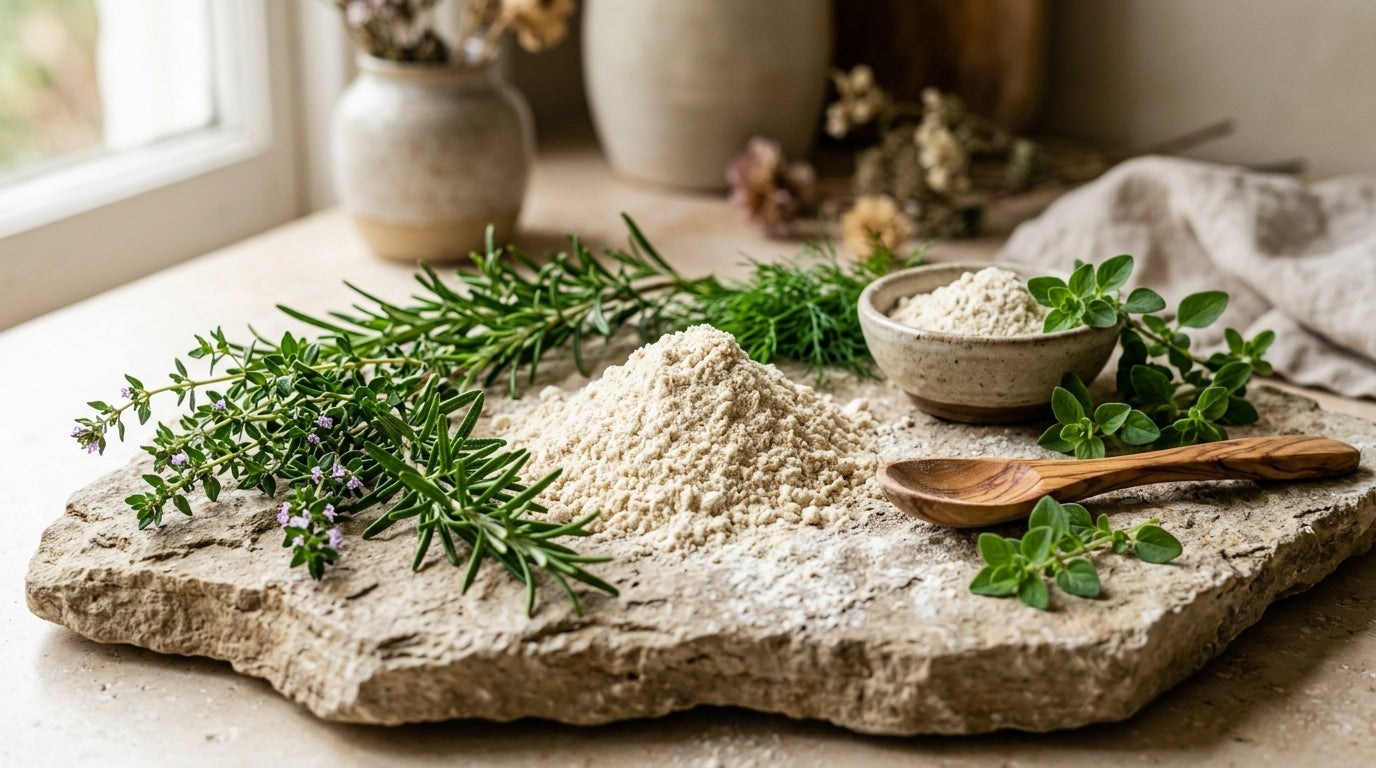
Traditionally, turmeric has been consumed as a powder in culinary dishes, herbal teas, and medicinal preparations. In Ayurveda, turmeric paste is applied to the skin for wound healing and to treat various skin conditions. It is also combined with milk ("golden milk") to support immunity, digestion, and joint health. In traditional Chinese medicine, turmeric is used to promote blood circulation and relieve pain. Modern applications include standardized curcumin extracts in supplements, functional beverages, and skincare formulations. Turmeric is increasingly incorporated into wellness products like protein powders, energy bars, and nootropic beverages designed for cognitive support. To consume: Use 1–3 grams of dried turmeric powder daily in food, or take standardized curcumin supplements providing 500–1,000 mg of curcumin per day for therapeutic effects. For optimal absorption, consume turmeric with black pepper (containing piperine) and healthy fats.
Frequently asked questions
How much turmeric should I take daily?
Most studies use 500-1000mg of curcumin extract daily, equivalent to about 15-30g of fresh turmeric root. Standardized extracts with 95% curcuminoids provide more consistent dosing than whole root powder.
Does turmeric interact with blood thinners?
Yes, turmeric can enhance the effects of anticoagulant medications like warfarin and increase bleeding risk. Discontinue turmeric supplements at least 2 weeks before surgery and consult your doctor if taking blood-thinning medications.
Is turmeric better absorbed with black pepper?
Piperine from black pepper increases curcumin absorption by up to 2000% by inhibiting liver metabolism. Many supplements combine curcumin with piperine or use specialized formulations like liposomal curcumin for enhanced bioavailability.
Can turmeric help with arthritis pain?
Clinical studies show 500-1000mg daily curcumin reduces joint pain and stiffness comparable to NSAIDs in osteoarthritis patients. The anti-inflammatory effects typically become noticeable after 4-8 weeks of consistent use.
What's the difference between turmeric and curcumin?
Turmeric root contains only 2-5% curcumin by weight, along with other curcuminoids and compounds. Curcumin extracts concentrate the active compounds to 95% purity, providing higher therapeutic doses than whole turmeric powder.
Can turmeric root support brain health and cognitive function?
Yes, turmeric root contains curcumin, which crosses the blood-brain barrier and may support cognitive health by reducing neuroinflammation and oxidative stress in brain tissue. Research suggests curcumin may help support memory, focus, and overall brain aging, though more clinical studies are needed to establish optimal dosing for cognitive benefits. Many people combine turmeric supplementation with other brain-supporting practices for comprehensive cognitive support.
Is turmeric root safe during pregnancy and while breastfeeding?
While turmeric is generally recognized as safe as a culinary spice, pregnant and breastfeeding women should consult their healthcare provider before taking turmeric supplements in concentrated forms. High-dose curcumin supplements may stimulate uterine contractions or have mild estrogenic effects that warrant caution during pregnancy. A qualified healthcare professional can assess individual risk factors and recommend appropriate use.
What is the difference between turmeric root powder and turmeric extract supplements?
Turmeric root powder is the whole ground rhizome containing curcumin along with other beneficial compounds, while turmeric extracts are concentrated forms standardized to specific curcumin percentages for more consistent dosing. Extracts typically offer higher bioavailability and curcumin concentration per dose, making them more potent, though whole root powder provides a broader spectrum of turmeric's phytonutrients. The choice depends on whether you prioritize convenience and potency (extracts) or whole-food synergy (powder).
Is turmeric and curcumin the same thing?
Turmeric is the whole root of Curcuma longa, while curcumin is the primary bioactive polyphenol found within it, comprising only about 2-5% of turmeric by weight. Most clinical research on anti-inflammatory and antioxidant effects is conducted using concentrated curcumin extracts, not raw turmeric powder. This means you would need to consume very large amounts of turmeric spice to match the doses used in studies, which is why standardized curcumin supplements are often preferred for therapeutic use.
Why is black pepper added to turmeric supplements?
Black pepper contains piperine, a compound that inhibits hepatic and intestinal glucuronidation enzymes responsible for rapidly metabolizing and eliminating curcumin from the body. Studies show that combining piperine (as little as 20mg) with curcumin can increase curcumin bioavailability by up to 2000% by slowing its breakdown. Without this enhancement, curcumin has notoriously poor oral bioavailability, which limits its ability to reach therapeutically relevant plasma concentrations.
References
- https://pubmed.ncbi.nlm.nih.gov/34981478
- https://pubmed.ncbi.nlm.nih.gov/35935936
- https://pubmed.ncbi.nlm.nih.gov/26528921
- https://pubmed.ncbi.nlm.nih.gov/34017975
This article is educational and is not medical advice. Statements have not been evaluated by the FDA and are not intended to diagnose, treat, cure, or prevent any disease. Consult a healthcare professional before use.