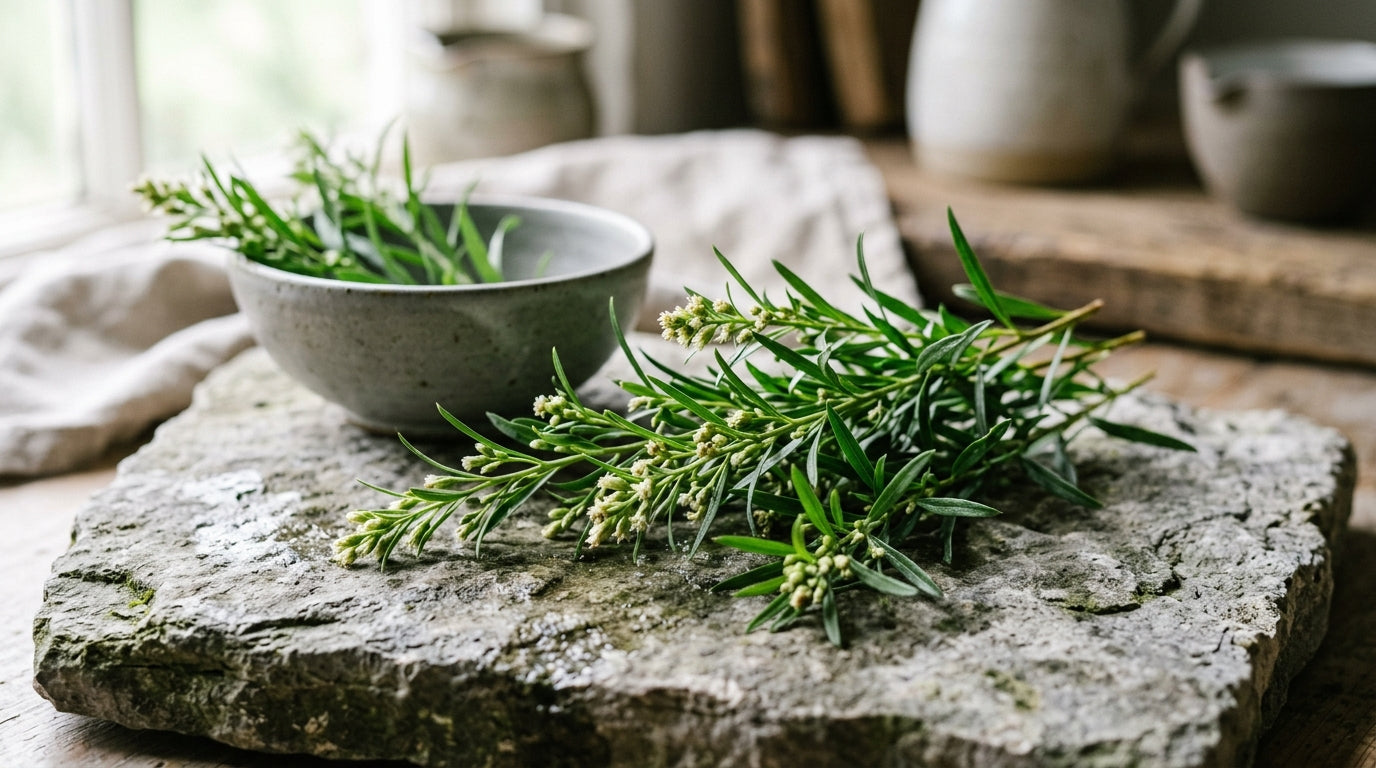
Bajura Nut (Areca catechu) contains arecoline, an α7 nicotinic acetylcholine receptor agonist that demonstrates anti-inflammatory effects through COX inhibition. The nut is classified as a Group 1 carcinogen by IARC and strongly linked to oral submucous fibrosis despite traditional medicinal uses.

Origin
Bajura Nut (Terminalia chebula) is the fruit of a deciduous tree native to the Himalayan foothills, particularly found in Northern India and Nepal. Revered in traditional medicine systems, this potent nut is valued for its rich content of tannins and polyphenols, making it a cornerstone for digestive cleansing and metabolic balance.
Potential benefits
- Supports digestive cleansing and regularity due to its high fiber and tannin content.
- Modulates inflammatory pathways through its rich profile of gallic acid and other polyphenols.
- Aids in detoxification processes, particularly liver support, as traditionally used in Ayurvedic formulations.
- Promotes metabolic balance by influencing glucose and lipid metabolism.
- Enhances immune rejuvenation through its antioxidant and adaptogenic properties.
- Contributes to gut microbiome health by providing prebiotic fiber.
How it works
Arecoline acts as an α7 nicotinic acetylcholine receptor agonist, inhibiting inflammation through COX pathway suppression and reducing prostaglandin synthesis from arachidonic acid. Polyphenols like epicatechin provide antioxidant activity with DPPH radical scavenging EC50 of 0.409 mg/mL and inhibit MAPK/Nrf2/HO-1 pathways to reduce ROS in LPS-stimulated cells. However, arecoline simultaneously promotes fibrosis by stimulating fibroblast collagen production via TGF-β and phosphodiesterase 4A pathways.
What the research says
Current evidence is limited to in vitro and animal studies, with no human clinical trials providing specific efficacy data for Bajura Nut. Laboratory studies demonstrate antioxidant activity with hydroxyl radical scavenging EC50 of 0.188 mg/mL and ACE inhibition with IC50 of 1.51 ± 0.65 mg/mL for potential antihypertensive effects. Rat studies show concerning effects including cardiac apoptosis via Fas/FasL pathways and neuronal damage through GABA pathway attenuation. The lack of human clinical data significantly limits therapeutic recommendations despite traditional use patterns.
Safety and interactions
Bajura Nut is classified as a Group 1 carcinogen by the International Agency for Research on Cancer and strongly associated with oral submucous fibrosis through arecoline-induced collagen overproduction. Additional risks include addiction potential from stimulant alkaloids, gastrointestinal effects, and neuronal damage from oxidative stress. The nut is contraindicated in individuals with oral lesions, pregnancy, or history of fibrosis, and long-term use should be avoided. Caution is advised when used with cholinergic or anti-inflammatory medications due to receptor agonism effects.
Suggested use
- Common Forms: Powder, extract, decoction.
- Dosage: Consume 500–1000 mg of extract or 1–2 grams of powder daily.
- Usage: Traditionally used in Ayurvedic formulations like Triphala; modern applications include detox blends, gut health powders, and immune/cognitive support supplements.
Frequently asked questions
What are the main bioactive compounds in Bajura Nut?
Bajura Nut contains alkaloids including arecoline, arecaidine, guvacine, and guvacoline, along with polyphenols like epicatechin and syringic acid. Additional compounds include flavonoids, tannins, fatty acids, triterpenes, and steroids that contribute to its pharmacological effects.
Is Bajura Nut safe for medicinal use?
Bajura Nut is classified as a Group 1 carcinogen by IARC and strongly linked to oral submucous fibrosis and oral cancer. Despite traditional medicinal uses, the serious health risks including addiction potential and neuronal damage make it unsafe for regular medicinal consumption.
How does arecoline work in the body?
Arecoline functions as an α7 nicotinic acetylcholine receptor agonist, providing anti-inflammatory effects through COX inhibition while simultaneously promoting harmful fibrosis. It stimulates fibroblast collagen production via TGF-β and phosphodiesterase 4A pathways, leading to tissue scarring and oral submucous fibrosis.
Are there clinical studies on Bajura Nut's health effects?
Current research is limited to in vitro and animal studies with no human clinical trials providing specific therapeutic efficacy data. Laboratory studies show antioxidant properties with DPPH scavenging EC50 of 0.409 mg/mL, but human safety and efficacy remain unestablished through clinical research.
What conditions is Bajura Nut traditionally used for?
Traditional medicine systems use Bajura Nut as a stimulant and for various ailments across South and Southeast Asia, often combined with betel leaf. However, these traditional uses are overshadowed by established carcinogenic risks and lack of clinical validation for therapeutic benefits.
How much Bajura Nut should I take daily for digestive and metabolic support?
Typical supplemental dosages of Bajura Nut extract range from 500–1,500 mg daily, though traditional preparations often used whole nuts or decoctions at lower concentrations. Optimal dosing depends on the extract standardization level and individual health status, so consulting a healthcare practitioner is recommended to determine your appropriate dose. Start with lower amounts to assess tolerance, as the tannin content may cause digestive sensitivity in some individuals.
Is Bajura Nut safe to use during pregnancy and while breastfeeding?
Bajura Nut is not recommended during pregnancy or breastfeeding without medical supervision, as its arecoline alkaloid content and potent bioactive compounds have not been thoroughly studied in these populations. Traditional use in certain cultures does not guarantee safety in pregnancy, and the potential effects on fetal development and infant exposure through breast milk remain unclear. Pregnant and nursing individuals should consult their healthcare provider before using Bajura Nut supplements.
What is the difference between Bajura Nut whole fruit, extract, and powder forms for supplement effectiveness?
Standardized extracts concentrate the bioactive polyphenols and alkaloids, offering more consistent dosing and higher bioavailability compared to whole fruit or powder forms. Whole nuts and powders provide the full phytochemical profile including fiber and tannins but with variable potency depending on growing conditions and processing. Extracts are typically more efficient for therapeutic applications targeting inflammation and metabolic support, while whole forms may better support digestive regularity due to their fiber content.
References
- https://www.ncbi.nlm.nih.gov/search/all/?term=Bajura+Nut
- https://fdc.nal.usda.gov/fdc-app.html#/search?query=Bajura+Nut
- https://pubmed.ncbi.nlm.nih.gov/37362140
- https://www.sciencedirect.com/science/article/pii/S1756464620315517
- https://www.ncbi.nlm.nih.gov/pmc/articles/PMC8036272/
This article is educational and is not medical advice. Statements have not been evaluated by the FDA and are not intended to diagnose, treat, cure, or prevent any disease. Consult a healthcare professional before use.