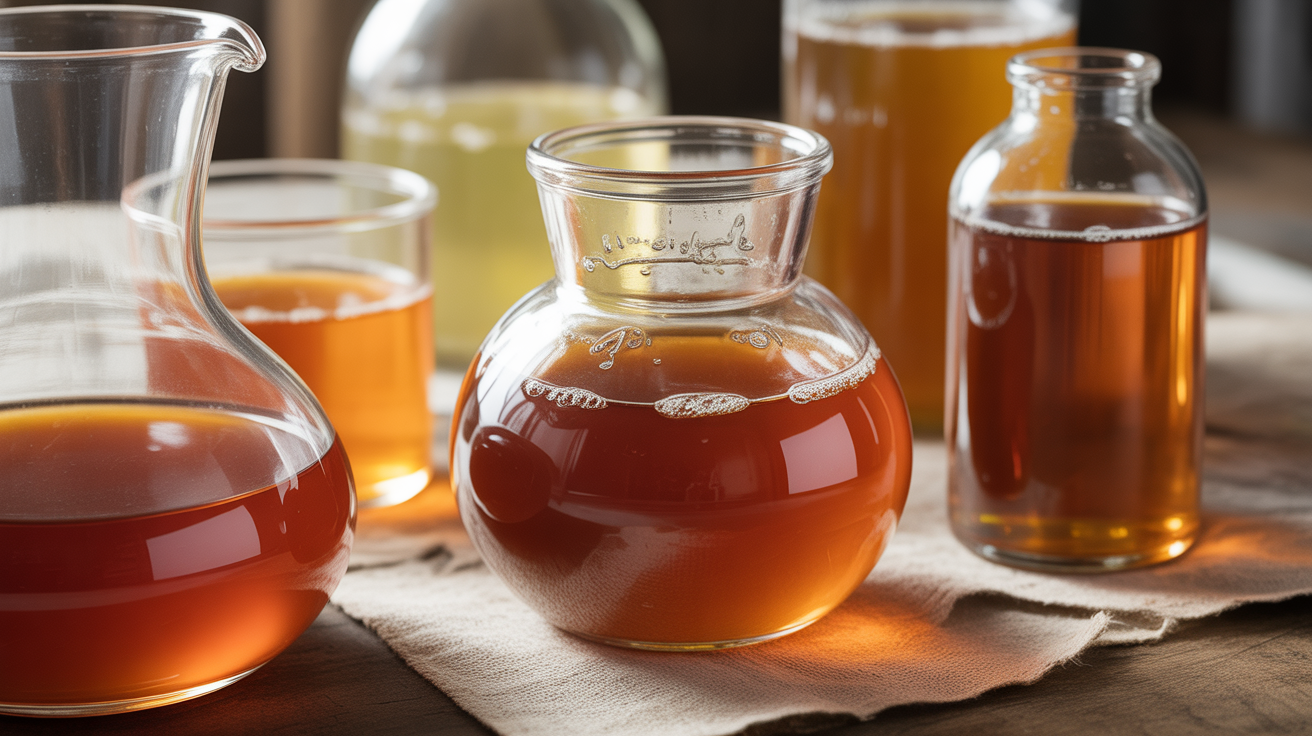
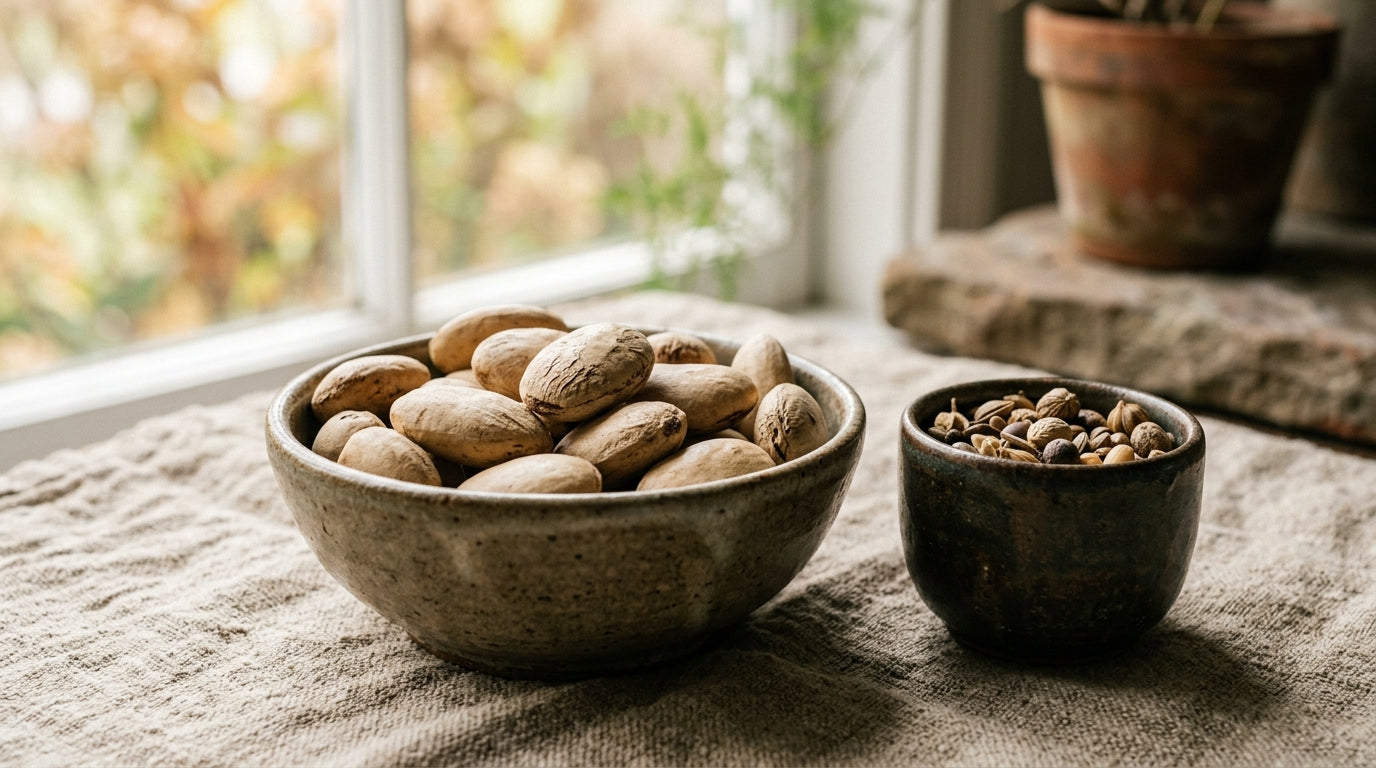
No human clinical trials have investigated Nauclea latifolia under controlled conditions, and therefore no effect sizes, confidence intervals, p-values, or patient-level outcomes are available. The existing body of research is restricted to in vitro assays evaluating antioxidant capacity, enzyme inhibition, membrane stabilization, and antimicrobial inhibition zones using crude plant extracts. Traditional use data from West African ethnomedicine—particularly for fever and malaria in Yoruba and Igbo communities—provides indirect, observational support for biological plausibility but does not constitute clinical evidence. Confidence in any therapeutic application remains very low pending animal model validation and human safety trials.

Origin
Nauclea latifolia, commonly called the African peach or pin cushion tree, is native to tropical and subtropical West Africa, with prominent distribution across Nigeria, Ghana, Senegal, and Cameroon. It thrives in lowland tropical forests, savanna margins, and riverine zones at low-to-mid altitudes, tolerating seasonal drought and lateritic soils. The tree is not commercially cultivated but harvested from wild populations by local communities for its medicinal bark, leaves, roots, and fruits.
Potential benefits
- Antioxidant Protection: Unripe fruit methanol and n-hexane extracts inhibit DPPH radical by 84.3–88.8% and FRAP by 87.6–88.0% at 10–100 mg/ml, attributed to the synergistic action of phenolics, flavonoids (46.84 mg QE/g in stem bark ethanol extract), and tannins scavenging reactive oxygen species.
- Anti-inflammatory Activity: Leaf extracts (NLE, NLA) dose-dependently stabilize erythrocyte membranes against hypotonic- and heat-induced haemolysis, achieving 61.37% inhibition at 1 mg/ml compared to ibuprofen at 37.41%, suggesting flavonoid and phenolic-mediated reduction of membrane peroxidation and inflammatory signaling.
- Antidiabetic Enzyme Inhibition: Leaf ethanol extract competitively inhibits α-amylase (IC50: 1.19 mg/ml) and uncompetitively inhibits α-glucosidase (IC50: 4.20 mg/ml), reducing the rate of carbohydrate digestion and postprandial glucose absorption in in vitro models.
- Antimicrobial Activity: Stem bark ethyl acetate and ethanol extracts produce inhibition zones of 9–25 mm and 9–21.5 mm respectively against bacterial and fungal pathogens in disc diffusion assays, with alkaloids and saponins proposed to disrupt microbial cell membranes and inhibit enzymatic function.
- Traditional Antipyretic and Antimalarial Use: Root and stem bark decoctions are applied in Yoruba and Igbo ethnomedicine for fever and malaria management, consistent with the plant's alkaloid-rich profile; specific alkaloid classes found in related Nauclea species exhibit documented antiplasmodial properties in preclinical research.
- Nutritional Micronutrient Contribution: Root bark contains notably high concentrations of vitamins A (89.83 mg/100g), E (69.75 mg/100g), and C (45.14 mg/100g), supporting antioxidant defense; leaves provide protein (12.51%) and dietary fiber (34.82%), contributing to nutritional value in food-scarce regions.
- Membrane Stabilization and Cytoprotection: The combined presence of tannins (up to 0.374% in leaves) and flavonoids is associated with erythrocyte membrane stabilization, a proxy biomarker for anti-inflammatory cytoprotection that may translate to reduced tissue damage under oxidative or infectious stress.
How it works
The antioxidant activity of Nauclea latifolia is primarily attributed to polyphenols—flavonoids and tannins—that donate hydrogen atoms or electrons to neutralize DPPH, hydroxyl, and hydrogen peroxide radicals, with stem bark ethanol extracts containing 19.69 mg GAE/g phenolics and 46.84 mg QE/g flavonoids driving this capacity. Anti-inflammatory membrane stabilization is mediated through flavonoid and phenolic interactions with phospholipid bilayers, reducing osmotic fragility and heat-induced haemolysis of erythrocytes in a dose-dependent manner comparable to ibuprofen benchmarks. Antidiabetic effects operate via dual enzyme inhibition: α-amylase is competitively blocked (IC50: 1.19 mg/ml), reducing starch hydrolysis, while α-glucosidase undergoes uncompetitive inhibition (IC50: 4.20 mg/ml), slowing intestinal glucose release; both actions are attributed to tannin–enzyme binding and alkaloid–active site interference. Antimicrobial activity involves alkaloids and saponins disrupting bacterial and fungal membrane integrity and potentially inhibiting efflux pump or cell wall biosynthesis enzymes, though no receptor-level molecular docking or gene expression data are currently available for this species.
What the research says
The entirety of available scientific evidence for Nauclea latifolia consists of in vitro phytochemical screenings and cell-free radical scavenging assays; no peer-reviewed human clinical trials, randomized controlled trials, or pharmacokinetic studies have been published as of the current data. Preclinical findings include quantified DPPH inhibition (up to 88.8% at 100 mg/ml in unripe fruit extracts), erythrocyte haemolysis inhibition (up to 61.37% at 1 mg/ml for leaf extract), enzyme inhibition IC50 values for α-amylase and α-glucosidase, and antimicrobial disc diffusion inhibition zones of 9–25 mm across multiple extracts and plant parts. These studies are methodologically limited by lack of positive control standardization in some assays, exclusive use of crude extracts without isolated compound validation, and absence of animal toxicology or dose-escalation data beyond traditional-use observations. The evidence base represents early-phase exploratory research only, and conclusions about efficacy in humans cannot be drawn without progression to in vivo and clinical study designs.
Safety and interactions
The most significant safety concern for Nauclea latifolia is its hydrocyanic acid content—measured at 2.29% in stem bark, 2.25% in root bark, and 16.897 mg/kg in leaves and fruits—which presents a plausible cyanide toxicity risk at high doses or with prolonged use, particularly from leaf or fruit preparations. Phytates (0.377–0.423% in leaves) can chelate divalent minerals such as iron, zinc, and calcium, potentially reducing their bioavailability with habitual ingestion, which is relevant in populations with marginal mineral nutrition. No formal drug interaction studies exist; however, given its documented in vitro anti-inflammatory activity comparable to ibuprofen benchmarks, there is theoretical potential for additive or antagonistic interactions with NSAIDs, anticoagulants, or antidiabetic medications if human-level effects are confirmed. No LD50 data, chronic toxicity studies, or pregnancy and lactation safety assessments have been published, making use during pregnancy or in pediatric populations inadvisable without medical supervision.
Suggested use
- Traditional Decoction (Bark): Root or stem bark is boiled in water for 20–30 minutes; consumed as a tea for fever, malaria, and inflammatory conditions; volume and frequency are community-determined without standardized dosing.
- Leaf Decoction/Infusion: Fresh or dried leaves boiled or steeped in hot water; used for antioxidant and anti-inflammatory purposes in Nigerian folk medicine; no standardized dose established.
- Ethanol/Methanol Extract (Research Grade): In vitro studies employ concentrations of 50–400 mg/ml; these concentrations are not translatable to human supplemental doses without pharmacokinetic studies.
- Unripe Fruit Preparations: Methanol and n-hexane extracts studied at 10–100 mg/ml in antioxidant assays; traditional use of unripe fruit in food and medicine is reported but without dose quantification.
- Standardization: No commercial standardization exists; no capsule, tablet, or tincture forms are established in regulated supplement markets.
- Timing: No evidence-based timing guidance available; traditional preparations are typically administered acutely during febrile illness episodes.
Frequently asked questions
What is Nauclea latifolia used for in traditional African medicine?
In Yoruba and Igbo traditions of Nigeria and across West Africa, Nauclea latifolia root bark, stem bark, and leaf decoctions are used primarily to treat fever and malaria, as well as diabetes, inflammation, and bacterial infections. The alkaloid and flavonoid content of the plant provides biological plausibility for these uses, though no human clinical trials have confirmed therapeutic efficacy.
What are the active compounds in Nauclea latifolia?
Nauclea latifolia contains alkaloids (up to 13.53% in root bark), flavonoids (46.84 mg QE/g in stem bark ethanol extract), tannins (7.25 mg TAE/g), saponins, and phenolics (19.69 mg GAE/g), with root bark also providing vitamins A (89.83 mg/100g), C (45.14 mg/100g), and E (69.75 mg/100g). These compounds collectively drive its reported antioxidant, anti-inflammatory, and antimicrobial properties in laboratory studies.
Is Nauclea latifolia safe to consume?
Caution is warranted because Nauclea latifolia contains hydrocyanic acid at concentrations of 2.25–2.29% in bark and up to 16.897 mg/kg in leaves and fruits, which poses a potential cyanide toxicity risk at high or repeated doses. No formal LD50, chronic toxicity, or drug interaction studies have been conducted, and the plant is not recommended for use during pregnancy or lactation without medical supervision.
Does Nauclea latifolia have antidiabetic properties?
In vitro assays show that Nauclea latifolia leaf ethanol extract competitively inhibits α-amylase with an IC50 of 1.19 mg/ml and uncompetitively inhibits α-glucosidase with an IC50 of 4.20 mg/ml, suggesting potential to slow carbohydrate digestion and reduce postprandial glucose spikes. These results are promising but derive entirely from cell-free enzyme assays; no animal or human studies have validated antidiabetic effects.
What is the recommended dose of Nauclea latifolia supplement?
No standardized supplemental dose has been established for Nauclea latifolia in any form, as all research to date has used crude extracts at in vitro concentrations of 50–400 mg/ml that are not directly translatable to human dosing. Traditional preparations involve unquantified volumes of bark or leaf decoction; without pharmacokinetic or clinical trial data, no evidence-based dosing recommendation can be made.
What forms of Nauclea latifolia are most bioavailable for antioxidant benefits?
Methanol and n-hexane extracts of unripe Nauclea latifolia fruit demonstrate the highest antioxidant bioavailability, with DPPH radical inhibition rates of 84.3–88.8% and FRAP values of 87.6–88.0% at 10–100 mg/ml concentrations. Stem bark ethanol extracts also show significant bioavailability, containing 46.84 mg of flavonoids per gram, which are key bioactive compounds responsible for antioxidant activity. Whole plant extracts may offer synergistic benefits due to the combined action of phenolics, flavonoids, and tannins working together to scavenge reactive oxygen species.
References
- https://pubmed.ncbi.nlm.nih.gov/?term=nauclea+latifolia+african+peach
- https://pubmed.ncbi.nlm.nih.gov/27346294
This article is educational and is not medical advice. Statements have not been evaluated by the FDA and are not intended to diagnose, treat, cure, or prevent any disease. Consult a healthcare professional before use.