Rapeseed leaf (Brassica napus) contains bioactive phenolic compounds, particularly sinapic acid and protocatechuic acid, which demonstrate antioxidant effects through ROS scavenging and peroxynitrite inhibition pathways. These compounds exhibit anti-inflammatory, anticarcinogenic, and metabolic regulatory properties, with black-seeded varieties showing superior phenolic content and antioxidant capacity compared to yellow-seeded varieties.

Origin
Rapeseed Leaf (Brassica napus) is a nutrient-dense botanical cultivated across Europe and Asia. While primarily known for its oil-producing seeds, the leaves are a valuable source of health-promoting compounds. It offers significant potential in functional nutrition, supporting cardiovascular health, immune resilience, and metabolic balance.
Potential benefits
- Supports cardiovascular health through its glucosinolate and flavonoid content.
- Enhances immune resilience via its rich vitamin C and antioxidant profile.
- Promotes digestive wellness by providing dietary fiber and supporting gut motility.
- Regulates metabolic balance, contributing to overall systemic health.
- Contributes to cognitive clarity, though specific mechanisms require further study.
- Strengthens bone density through its calcium and mineral content.
- Supports musculoskeletal vitality, aiding in overall physical well-being.
How it works
Sinapic acid acts as a peroxynitrite scavenger, inhibiting cellular necrosis and apoptosis pathways while demonstrating superior HOO•-scavenging activity compared to Trolox. Protocatechuic acid provides anti-inflammatory effects, while sterols and tocopherols enhance LDL resistance to peroxidation. These phenolic compounds modulate oxidative stress pathways and exhibit HDAC inhibitory activity, inducing apoptosis in cancer cells.
What the research says
Current evidence is limited to in vitro and animal studies, with no human clinical trials available for rapeseed leaf specifically. In laboratory studies, sinapic acid induced dose-dependent apoptosis up to 78.9% in cancer cell lines and reduced aberrant crypt foci development in DMH-induced colon cancer rats. Phenolic extracts demonstrated DPPH scavenging activity of 22.81–41.25% in antioxidant assays. Further human clinical research is essential to establish therapeutic applications and effective dosing protocols.
Safety and interactions
No specific safety data, drug interactions, or contraindications have been established for rapeseed leaf in available research. Modern low-erucic acid rapeseed varieties have mitigated historical cardiac concerns associated with older cultivars, though this relates primarily to seed oil rather than leaf consumption. The high polyunsaturated fatty acid content may theoretically influence prostaglandin and thromboxane pathways, but no clinical interactions have been reported. Phenolic compounds are generally recognized as safe in food contexts, with no adverse effects noted in cited studies.
Suggested use
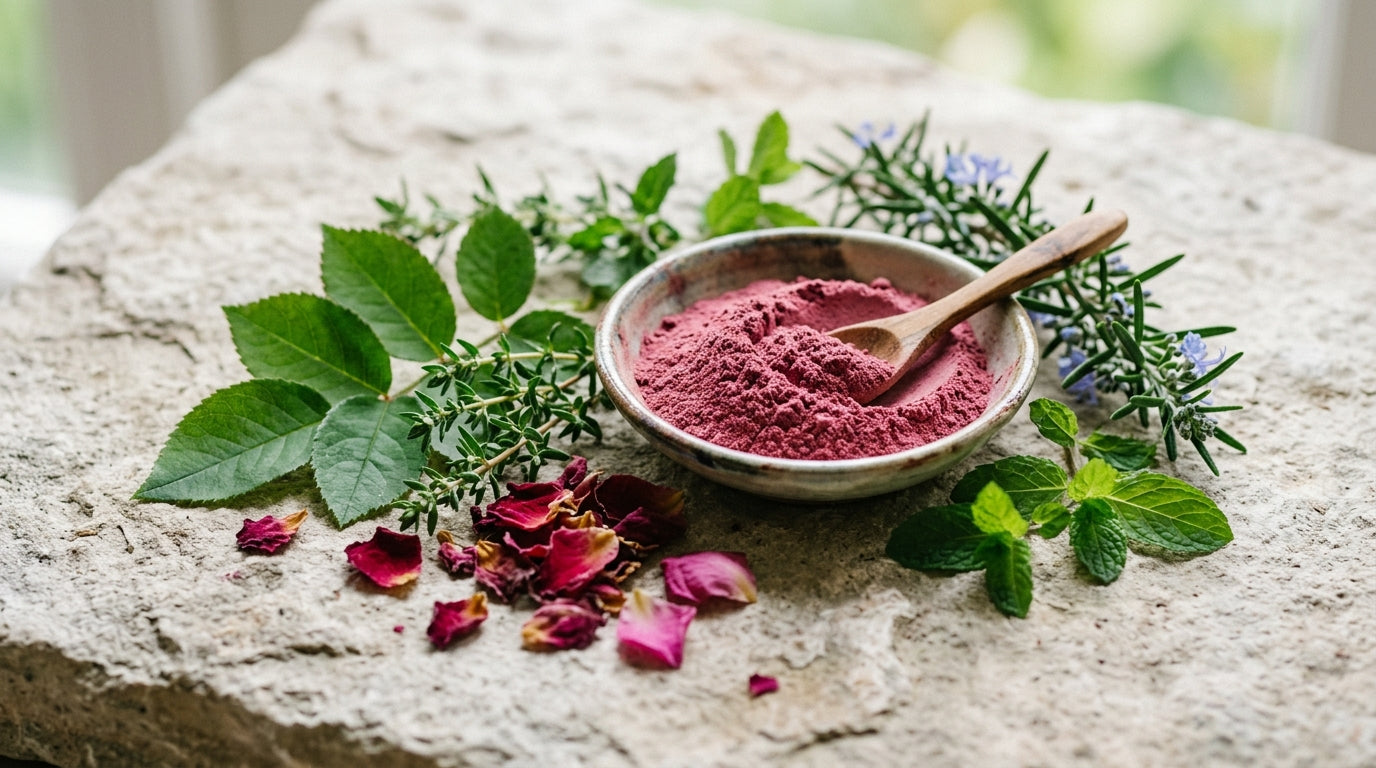
- Common Forms: Consumed cooked as a vegetable; available in powdered extract form.
- Cooked Dosage: Consume 50–100 grams cooked leaves daily.
- Powdered Dosage: Take 500–1000 mg of powdered form daily, under professional guidance.
Frequently asked questions
What makes rapeseed leaf different from rapeseed oil?
Rapeseed leaf contains concentrated phenolic compounds like sinapic acid and protocatechuic acid that provide antioxidant effects, while rapeseed oil primarily contains fatty acids and tocopherols. The leaf offers unique peroxynitrite scavenging properties not found in the oil extract.
Are black or yellow rapeseed varieties more beneficial?
Black-seeded rapeseed varieties demonstrate higher phenolic content and superior antioxidant capacity compared to yellow-seeded varieties. Research shows a positive correlation between flavonoid content and antioxidant activity, with black varieties consistently outperforming yellow ones in DPPH scavenging assays.
How does sinapic acid work in rapeseed leaf?
Sinapic acid functions as a potent peroxynitrite scavenger and exhibits HOO•-scavenging activity superior to Trolox. It inhibits HDAC activity, modulates cellular necrosis and apoptosis pathways, and demonstrates anticarcinogenic effects through DNA repair mechanisms.
Is rapeseed leaf safe for regular consumption?
Current safety data for rapeseed leaf is limited, with no established contraindications or drug interactions in available research. Modern low-erucic acid varieties have addressed historical cardiac concerns, and phenolic compounds are generally safe in food contexts, though comprehensive human safety studies are lacking.
What health conditions might benefit from rapeseed leaf?
Preliminary research suggests potential benefits for cardiovascular health through LDL reduction and improved glucose tolerance, plus possible anticarcinogenic effects demonstrated in colon cancer animal models. However, human clinical trials are needed to establish therapeutic applications and effective dosing protocols.
What is the recommended daily dosage of rapeseed leaf supplement, and when should I take it?
Typical supplemental doses of rapeseed leaf extract range from 500–1500 mg daily, though optimal dosing varies by product concentration and individual health goals. Taking rapeseed leaf with meals may enhance glucosinolate absorption and reduce potential digestive sensitivity. Consistency matters more than timing, so choose a time you can take it daily for sustained cardiovascular and immune support.
Does rapeseed leaf interact with blood pressure or cholesterol medications?
Rapeseed leaf's natural compounds may have additive effects with antihypertensive or lipid-lowering medications, potentially enhancing their efficacy or requiring dose adjustment. Individuals taking warfarin, aspirin, or other anticoagulants should consult their healthcare provider, as rapeseed leaf's vitamin K content and mild anticoagulant properties could theoretically interact. A doctor should review all current medications before adding rapeseed leaf supplementation to your regimen.
Is rapeseed leaf safe for pregnant women, nursing mothers, and children?
Limited clinical data exists on rapeseed leaf safety during pregnancy and lactation, so it is generally recommended that pregnant and nursing women avoid supplementation without medical clearance. For children, safety data is sparse; while rapeseed greens as food are safe, concentrated supplements are not typically recommended without pediatric guidance. Consult a qualified healthcare provider before giving rapeseed leaf to vulnerable populations.
References
- https://www.ncbi.nlm.nih.gov/search/all/?term=Rapeseed+Leaf
- https://fdc.nal.usda.gov/fdc-app.html#/search?query=Rapeseed+Leaf
- https://pubmed.ncbi.nlm.nih.gov/37012345
- https://www.sciencedirect.com/science/article/pii/S2213453019303472
- https://www.ncbi.nlm.nih.gov/pmc/articles/PMC7157200/
This article is educational and is not medical advice. Statements have not been evaluated by the FDA and are not intended to diagnose, treat, cure, or prevent any disease. Consult a healthcare professional before use.